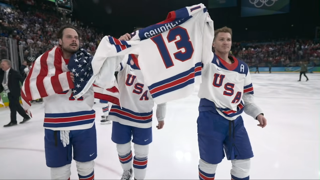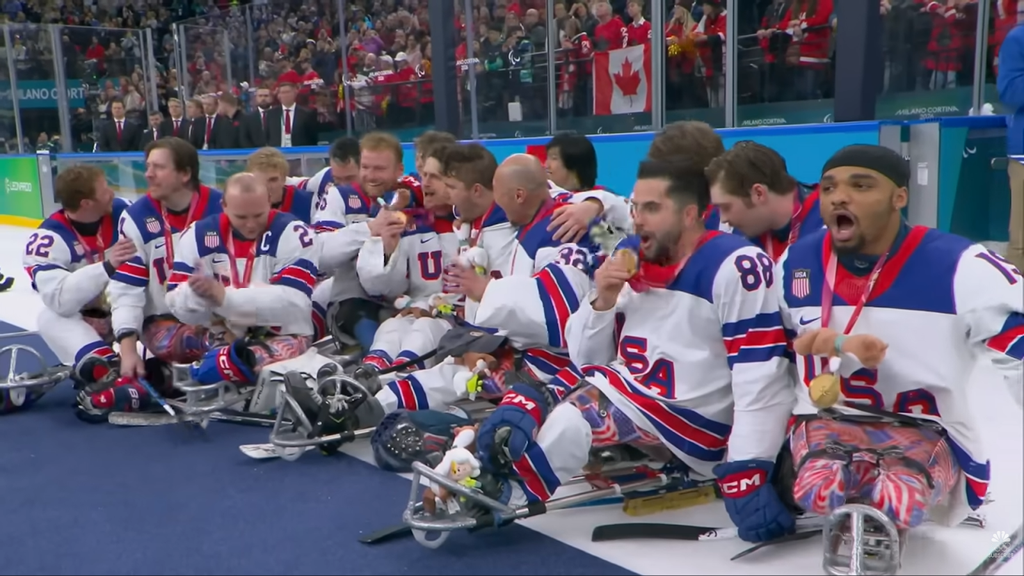
The U.S. sled hockey team achieved a significant victory over Canada, defeating them 6-2 on Sunday. This win marked the clinching of the team's fifth consecutive gold medal at the Winter Paralympics. This triumph follows a series of recent victories by both the U.S. men's and women's hockey teams against their Canadian rivals, showcasing a strong performance by American athletes across multiple disciplines and reinforcing the competitive spirit between the two nations.
Explainer Christianity and Sports: Navigating Faith in Public Life
The core tension in this rivalry lies in the historical context of sports competition between the U.S. and Canada. Team USA's recent success in sled hockey is part of a broader narrative, as they achieved a historic sweep of the hockey tournaments at both the Olympics and Paralympics. This accomplishment not only highlights the competitive nature of these nations but also emphasizes the significance of their respective athletic programs.
Jack Wallace, a key player for Team USA, played a pivotal role in the sled hockey final by scoring a hat trick, which significantly contributed to the team's overall success. In a post-game interview, Wallace expressed his pride in the team, stating, "This team is so special. We love each other. This team grinded it out, a gritty f—ing game. It was unbelievable. I love these guys so much." His enthusiasm reflects the camaraderie and determination that define the team.
American captain Josh Pauls also praised the team's performance, acknowledging the added pressure to succeed following the gold medal wins by the men's and women's hockey teams. "I’m glad we got it done because I think there’s a little bit more pressure with the men and women getting the golds too," Pauls said. He attributed the team's success to the investment in grassroots programs, which have played a crucial role in developing young talent in U.S. hockey.
In addition to securing their gold medal, Team USA set a new record for the most goals scored in a single Paralympic tournament, totaling an impressive 46 goals across five games, as reported by NBC.
Baseball Victory
In another showcase of American athletic prowess, the U.S. baseball team also triumphed over Canada, winning 5-3 in the quarterfinals of the 2026 World Baseball Classic on Friday. The Americans established a commanding 5-0 lead early in the game, demonstrating their strength. However, Canada attempted a comeback in the sixth inning, scoring three runs but ultimately falling short of victory.
The success of the baseball team was bolstered by a pre-game speech from Navy SEAL Robert O’Neill, who gained fame for his role in the mission that resulted in the death of Osama bin Laden. This speech drew mixed reactions from the public, with some critics expressing discontent over O’Neill's involvement in the event. However, supporters of the team did not directly address the backlash, focusing instead on the game itself.
Following their win against Canada, Team USA faced the Dominican Republic on Sunday evening, where they secured a narrow 2-1 victory. With this win, the Americans are now set to compete in the World Baseball Classic Championship against the winner of the Venezuela vs. Italy matchup, scheduled for Tuesday at 8 p.m. ET.
Implications of the Wins
These victories in both sled hockey and baseball reflect a broader trend of American dominance in sports, particularly against Canada, a nation often viewed as a rival in hockey. The success of Team USA in these tournaments may bolster national pride and encourage further investment in sports programs across the country.
While some critics may argue that the focus on high-stakes competitions can overshadow other important aspects of sportsmanship and athlete development, supporters maintain that these victories are a testament to the hard work and dedication of the athletes involved. As both teams prepare for their next challenges, the implications of these wins will likely resonate within the sports community and beyond, inspiring future generations of athletes to strive for excellence.