Christianity in American Culture: Faith, Conflict, and Freedom of Expression
Explore the evolving role of Christianity in American culture amid legal challenges, sports controversies, and societal debates over religious freedom and expression.
Additional reporting by Alex Monroe, Liam Walker
Christianity remains a foundational pillar of American culture, shaping values, politics, and public discourse. Yet in recent years, the expression of Christian faith in public spheres has encountered growing scrutiny and legal challenges, particularly around issues like religious freedom, inclusivity, and organizational policies. This tension is visible in high-profile clashes over Christian expressions in sports, education, and the workplace, where cultural shifts towards LGBTQ+ acceptance and anti-discrimination initiatives often collide with traditional religious convictions.
This explainer delves into how Christianity continues to navigate America’s evolving cultural landscape, the legal and societal debates that arise when faith meets policy, and why these conflicts resonate far beyond individual cases. From professional sports controversies to school board battles, the struggle for protecting Christian speech and conscience rights remains both a cultural and a constitutional battleground. As recent incidents reveal, these disputes are integral to broader questions about religious liberty and the role of faith in public life.
Christianity and Religious Expression in Sports
"Religious freedom claims in private-sector policies are increasingly entering the legal spotlight, reflecting complex cultural and constitutional rights."
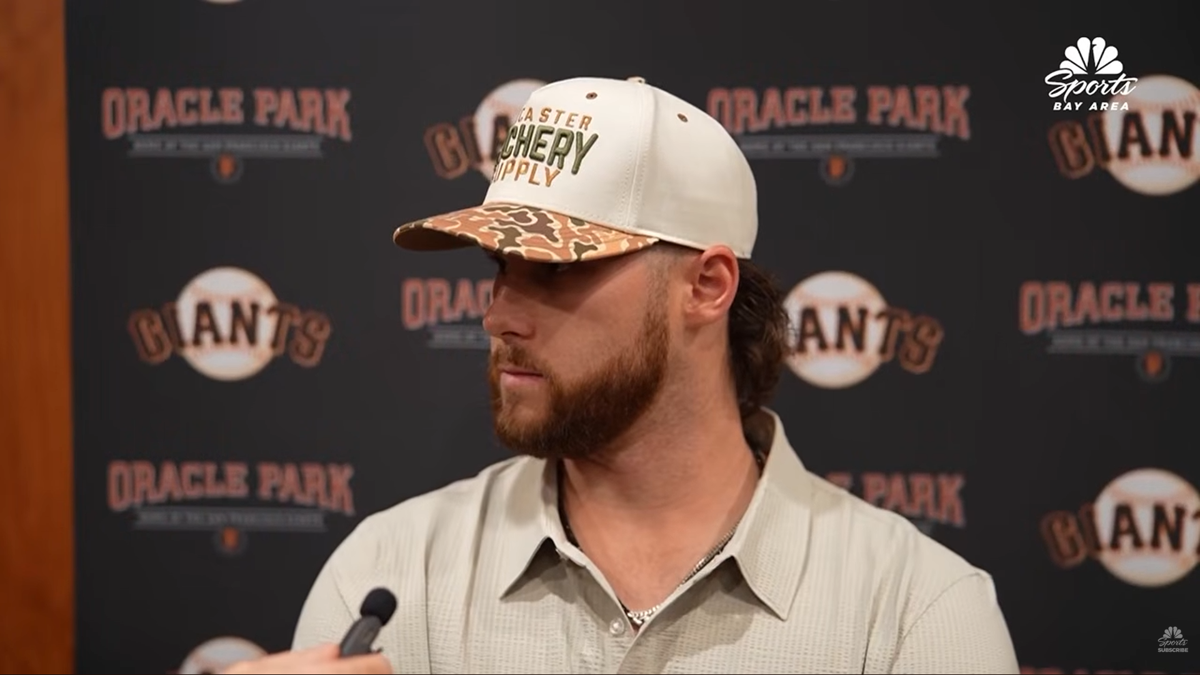
In the competitive world of professional sports, expressions of Christian faith are increasingly contested. A notable incident occurred during the San Francisco Giants' Pride Night game, where several pitchers wrote Bible verses on their rainbow-themed hats in support of their beliefs. Major League Baseball (MLB) swiftly issued warnings, citing violations of uniform policy and signaling the organization's intent to maintain uniformity on LGBTQ+ celebration nights. This punitive response quickly escalated into a larger legal issue when the U.S. Department of Justice (DOJ) launched a civil rights investigation for possible religious discrimination, ultimately referring the matter to the Equal Employment Opportunity Commission (EEOC).
This clash underscores the delicate balance leagues face between promoting inclusion and respecting individual religious convictions. Critics argue that MLB's actions suppress sincere religious expressions, while supporters view uniform policies as necessary to foster an inclusive environment without endorsing conflicting ideologies. The DOJ’s involvement highlights that religious freedom claims in private-sector policies are increasingly entering the legal spotlight, demonstrating how complex cultural and constitutional rights intersect in the sports arena.
Simultaneously, the National Basketball Association (NBA) faced its own flashpoint when Chicago Bulls player Jaden Ivey was waived following social media posts criticizing the league's support for LGBTQ+ initiatives and denouncing Catholicism. The Bulls cited "conduct detrimental to the team" as grounds for dismissal. This move drew fire from conservative circles, fueling accusations of religious discrimination against Christian athletes who dare to voice dissenting beliefs publicly. The NBA’s standard conduct policies clash with free expression claims, illustrating the fraught dynamics of maintaining team cohesion while navigating ideological diversity.
The pattern in professional sports reveals a broader narrative: Christian athletes face increasing pressure to conform to progressive cultural norms or risk exclusion. Coverage like MLB Warns Giants Players Over Bible Verses and the NBA Player Jaden Ivey Waived After Expressing Christian Beliefs demonstrate the ongoing nature of these cultural conflicts and their implications for religious freedom in high-visibility platforms.
Religious Freedom and Legal Challenges in Education
The question of religious freedom extends beyond professional sports into the educational system, where Christian schools and students encounter legal battles over policies tied to gender identity and inclusion. A poignant example is Mid Vermont Christian School, which was banned from the state's high school sports league after choosing to forfeit a basketball game rather than compete against a team with a transgender athlete. The school subsequently filed a lawsuit asserting their rights to religious conscience and freedom of association.
In a notable federal appeals court ruling, Mid Vermont Christian School was ordered reinstated into the sports league, affirming that exclusion for religious-based decisions in the realm of gender ideology could violate constitutional protections. This case exemplifies the tension between anti-discrimination mandates and First Amendment guarantees. For many Christian institutions, such legal victories represent critical bulwarks against mandates that seemingly compel participation in practices contrary to their deeply held beliefs.
These controversies highlight how schools act as microcosms of the larger culture war, where questions around religious liberty, gender identity, and inclusivity are fiercely contested. The decision reverberates nationally, offering a precedent for Christian schools and organizations seeking to assert their rights amid expanding cultural expectations. Our reporting on Pastors Face Pressure to Uphold Religious Freedom Amid Immigration Debate similarly explores how religious convictions intersect with public policy and societal pressures beyond sports, underscoring the breadth of these issues.
The Societal Debate Over Christianity’s Role in Public Life
At its core, the pushback against Christian expressions in various public domains reflects a deeper cultural debate about the place of Christianity in shaping American values and policy. Advocates for traditional faith-based values argue that Christianity’s moral framework undergirds foundational American principles such as individual rights, traditional marriage, and religious liberty. Conversely, more progressive elements perceive Christianity’s influence as at odds with evolving norms surrounding sexuality, gender, and inclusion, prompting efforts to limit its expression in public institutions.
This ideological clash drives much of the friction seen in media, education, and professional sports. Conservatives warn that attempts to silence Christian voices under the guise of inclusivity threaten not only religious freedom but also the pluralistic character of society. Such concerns were voiced amid backlash over the San Francisco Giants’ Christian players’ Bible verses during Pride Night.Giants Players Face Backlash for Expressing Christian Faith on Pride Night tells of how cultural acceptance efforts can inadvertently trample on religious conscience.
Furthermore, prominent Christian thinkers like David French have critiqued aggressive political interpretations that seek to marginalize Christianity’s public influence. His analysis of political theology challenges narratives that portray Christian beliefs as incompatible with modern governance and cultural pluralism, emphasizing instead the necessity of protecting religious expression in democratic societies. Coverage such as David French Critiques James Talarico's Political Theology exemplifies the intellectual dimensions of this culture war.
Beyond individual disputes, this debate shapes how Christians engage with politics and culture, often galvanizing conservatives to champion religious liberties as fundamental rights threatened by secular majorities. The growing pushback against religious discrimination, especially in high-visibility cases like in sports leagues or schools, signals a cultural resistance to erasing Christianity’s public voice.
The Intersection of Faith, Free Speech, and Anti-Discrimination Policies
One of the thorniest issues in this cultural crossroads is how to reconcile free speech rights with anti-discrimination policies that protect other groups, particularly LGBTQ+ individuals. Organizations, leagues, and schools face the challenge of balancing respect for religious expression with commitments to inclusion and non-discrimination. The MLB’s stance on uniform regulations during Pride events, and its warnings to players expressing Christian beliefs, capture this dilemma: how to allow religious expression without undercutting the organization's efforts to create safe spaces for marginalized communities.
Critics argue that anti-discrimination policies become vehicles for censoring religious speech or punishing individuals whose beliefs clash with prevailing cultural agendas. The DOJ's decision to refer MLB's actions to the EEOC highlights that religious discrimination claims are gaining traction in courts and federal agencies, emphasizing the legal weight faith-based protections carry legally and morally.
Pulling from legal analyses and court rulings, many observers assert that religious beliefs, particularly those grounded in Christianity, deserve explicit accommodation under civil rights laws. Yet opponents contend that such accommodation cannot infringe on others' rights to acceptance and equal treatment. This tension feeds a contentious public discourse about where the line should be drawn.
The Hawley Demands MLB Address Allegations of Discrimination Against Christian Players coverage highlights political efforts to force accountability on what some see as discriminatory treatment of Christian employees. These disputes underscore how federal involvement and public policy debates are central to securing fair treatment for faith communities amid shifting cultural norms.
Christianity’s Enduring Cultural Influence and the Road Ahead
Despite mounting challenges, Christianity maintains a vigorous role in shaping American identity and culture. Events like the memorial services for Charlie Kirk that drew millions underscore that faith remains a source of community, purpose, and political engagement for many. Moreover, ongoing conversations around religious freedom signal a continuing fight to preserve Christianity’s place within a pluralistic society.
Efforts by Christian advocates to defend faith expression in sports, education, and public policy are not isolated skirmishes but part of a larger, enduring struggle to balance liberty with coexistence. Whether in high schools, the professional leagues, or civic arenas, Christians strive to live out their beliefs authentically while respecting others, highlighting the complex nature of religious freedom in an increasingly diverse nation.
As the nation continues to wrestle with these tensions, it is crucial for policymakers, organizations, and the public to recognize that protecting Christianity’s voice enriches America’s cultural tapestry instead of diminishing it. Respect for religious conscience preserves the very freedoms that allow a vibrant marketplace of ideas and beliefs to flourish.
Conservatives, in particular, have emphasized that Christian faith undergirds many fundamental rights and that peaceful coexistence is achievable when religious liberties are respected alongside civil rights. More on how Christian faith flourishes amid cultural challenges can be found in coverage like Vice President Vance Urges Young Men to Seek Purpose Amid Cultural Challenges and reflections on Why Christians Should Build Cathedrals.
This ongoing conversation will shape the American cultural and legal landscape for decades to come, making it imperative for readers to understand the historic and evolving role of Christianity in public life.
Frequently asked questions
Why are professional sports leagues restricting players from expressing Christian beliefs?
Leagues often cite uniform policies and the desire to promote inclusivity, especially around LGBTQ+ events, viewing personal religious expressions as potentially divisive or contradictory to their messaging.
Can Christian athletes claim religious discrimination under federal law?
Yes, federal laws like Title VII protect religious expression in employment, but these rights can clash with workplace policies, making legal outcomes dependent on the context and specific facts.
What happened in the Mid Vermont Christian School case?
The school was banned from participation for refusing to compete against a team with a transgender athlete. A federal appeals court later ruled they must be reinstated, protecting their religious freedom rights.
How do anti-discrimination policies affect religious expression?
While designed to protect marginalized groups, these policies can sometimes restrict expressions that conflict with organizational goals or others' rights, creating legal and cultural disputes.
Are there political efforts to support Christian rights in these conflicts?
Yes. For instance, Sen. Josh Hawley has demanded MLB address allegations of discrimination against Christian players, reflecting growing political advocacy for religious freedom in sports and society.
How does Christianity continue to influence American culture despite these challenges?
Christianity remains a core influence in shaping moral values, social norms, and political activism, serving as a vital voice for many Americans amid shifting cultural landscapes.
What can Christians do to navigate these cultural conflicts?
They can engage legal protections, participate in public dialogues, and seek accommodations that balance faith expression with respect for diverse populations.
Timeline of our coverage
- 2026-06-16 — Hawley Demands MLB Address Allegations of Discrimination Against Christian Players
- 2026-06-16 — MLB Warns Giants Players Over Bible Verses on Pride Night Uniforms
- 2026-06-15 — Giants Players Face Backlash for Expressing Christian Faith on Pride Night
- 2026-04-03 — Reflection on Jesus' Final Words Highlights Unborn Humanity
- 2026-03-31 — NBA Player Jaden Ivey Waived After Expressing Christian Beliefs
- 2026-03-31 — NBA Cuts Player After Christian Remarks Amid Controversy Over Conduct Standards
- 2026-03-09 — David French Critiques James Talarico's Political Theology
- 2026-02-05 — New Book Argues Feminism and Christianity Are Incompatible
- 2026-01-20 — Pastors Face Pressure to Uphold Religious Freedom Amid Immigration Debate
- 2025-11-18 — Why Christians Should Build Cathedrals
- 2025-10-30 — Finland's Supreme Court Considers Bible Quoting as Hate Speech
- 2025-10-27 — NFL Quarterbacks Highlight Faith in Week 8
- 2025-10-15 — Amid The Genocide Of Nigerian Christians, Congress Must Act
- 2025-10-08 — Concordia University Wisconsin Gives Christian Colleges A Bad Name
- 2025-10-06 — Debate Erupts Over Charlie Kirk's Legacy Following His Death
- 2025-09-30 — It’s OK To Be Angry Over Charlie Kirk’s Murder
- 2025-09-25 — Dearborn Mayor Defends City Amid Claims of Religious Discrimination
- 2025-09-25 — Rod Dreher's 'Living in Wonder' Calls for a Return to Spirituality in the West
- 2025-09-23 — Leaders Emphasize Christian Faith at Charlie Kirk's Memorial Service
- 2025-09-23 — Charlie Kirk Memorial Sparks Debate on Evangelical Leadership and Cultural Engagement
The Bottom Line
- Religious freedom is a constitutional right that American Christians are fighting to protect amid expanding cultural demands for conformity.
- Conflicts in sports and education spotlight how Christian expression faces legal and social pressures in public and private institutions.
- The balance between anti-discrimination policies and free speech rights is a central cultural and legal challenge for modern America.
- Understanding Christianity’s role in public life informs ongoing debates around faith, identity, and governance.
Sources
- EEOC Sues Rock Snowpark for Religious Discrimination
- Theguardian.com: Mlb Investigation Department Of Justice Pride Hats Religious Discrimination
- Thedailybeast.com: Maga Melts Down Over Christian Discrimination After Catholic Bashing Nba Player Jaden Ivey Fired
- Vermontpublic.org: Court Rules Christian School Can Compete Vermont Sports League