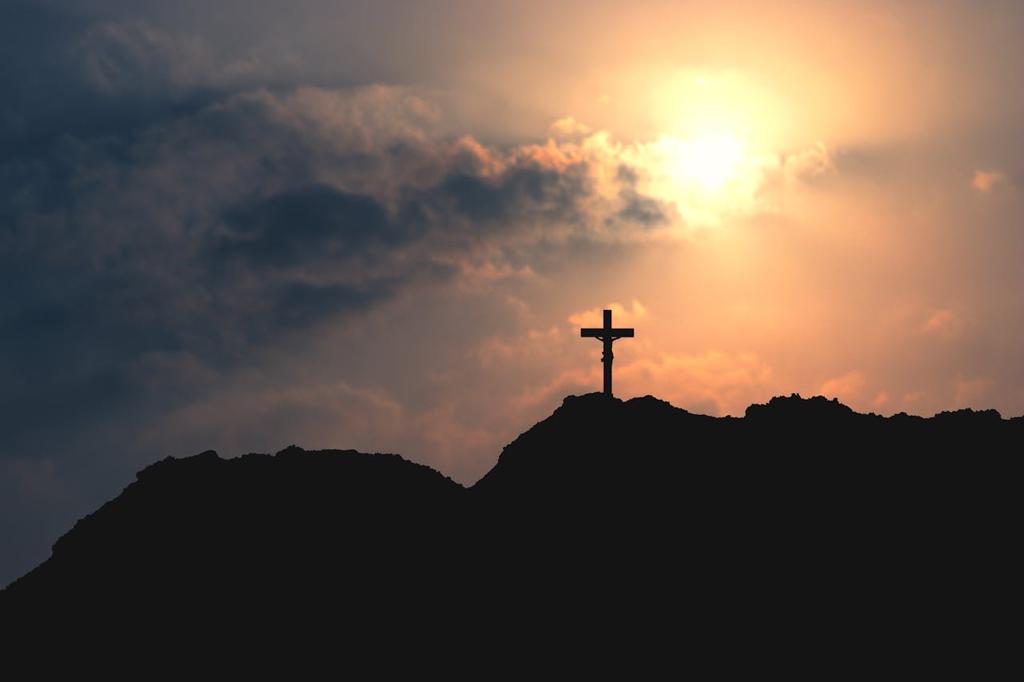
This week, Christians around the world observe Holy Week, a significant period in the Christian calendar that culminates in the joyous celebration of Easter. During this time, a recent reflection by Josh Wood, the executive director of Them Before Us, draws attention to Jesus’ final words spoken on the cross, suggesting that these words affirm the humanity of the unborn. This reflection encourages believers to contemplate the deeper meanings behind these words and their implications for contemporary discussions surrounding life and personhood.
Explainer The Complex Legal Landscape of Abortion: State Laws, Federal Shifts, and Cultural Battles
The central tension in this reflection lies in the interpretation of Jesus’ poignant cry, "My God, my God, why have you forsaken me?" Wood argues that this statement, which is deeply rooted in Psalm 22, emphasizes a divine connection to life even before birth. This perspective has significant implications for current discussions on abortion and the rights of children, as it invites a reconsideration of when life and personhood begin.
Wood highlights that when Jesus spoke in Aramaic, the name "Eli" could be easily confused with "Eliyahu," or Elijah, suggesting a deeper significance to the choice of words he used. He notes, "Jesus was not crying out in wordless anguish. He was quoting a psalm," which would have resonated profoundly with those present at the crucifixion. This connection to scripture adds layers of meaning to Jesus' suffering and his identification with humanity.
The Significance of Psalm 22
Psalm 22, written by David approximately 1,000 years before Christ’s crucifixion, describes suffering that aligns closely with the experience of crucifixion itself. Wood points out that the psalm begins with a heartfelt plea for help but also contains affirmations of God’s knowledge of individuals from the womb. He cites verses that state, "Yet you are he who took me from the womb; you made me trust you at my mother’s breasts." This connection between the psalm and Jesus’ final words serves to underscore a theological claim that personhood and dignity are present from the very moment of conception.
Wood states, "Both the psalm and the Gospels are making the same claim: that life, dignity, and the image of God are not present after birth but from the very moment life begins." This assertion invites believers to reflect on the sanctity of life and the inherent value of every individual, regardless of their stage of development.
Implications for Contemporary Debates
The reflection comes amid ongoing and often heated debates about abortion rights and the status of unborn children. Critics of abortion frequently cite religious and moral arguments to advocate for the rights of the unborn, while supporters of abortion rights emphasize a woman's autonomy and the complexities surrounding pregnancy. This ongoing dialogue reflects the diverse perspectives that exist within society regarding the rights of individuals and the responsibilities of parents.
While Wood’s interpretation aligns with pro-life perspectives, it has not gone unchallenged. Supporters of abortion rights argue that the interpretation of scripture can vary widely and that the context of individual circumstances must be considered. They emphasize the importance of bodily autonomy and the right to make personal medical decisions, which adds complexity to the discussion.
Wood concludes that Jesus’ choice of Psalm 22 as his final public statement serves as a powerful reminder of the sanctity of life from the womb. He states, "This Good Friday, may we all hear this psalm with new ears," encouraging a reflection on the implications of Jesus’ words for modern society and the ongoing debates about life and personhood.
As Holy Week progresses, Wood's reflection invites believers to consider the broader implications of faith and the value of life at all stages. The dialogue surrounding these issues continues to evolve, with various perspectives contributing to the ongoing conversation about the rights of the unborn and the responsibilities of society toward children. This reflection serves as a poignant reminder of the theological claims surrounding the humanity of the unborn, while also highlighting the complexities of contemporary debates on abortion and personhood. It encourages a thoughtful examination of how faith intersects with the pressing moral issues of our time.