A new report by the International Society for Civil Liberties and the Rule of Law, known as Intersociety, highlights a severe crisis in Nigeria, where jihadist groups are reportedly destroying approximately 100 churches each month. Since the onset of Boko Haram's insurgency in 2009, an estimated 19,100 churches have been attacked, burned, or forcibly shut down.
Explainer Christianity and Sports: Navigating Faith in Public Life
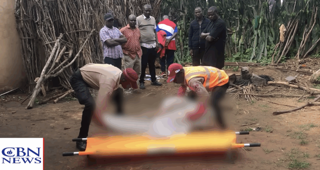
The violence against Christians in Nigeria is characterized as a systematic assault rather than mere local disputes. Intersociety's findings indicate that since 2009, jihadist violence has claimed the lives of 185,000 Nigerians, with more than two-thirds of the victims being Christians. In the first 220 days of this year alone, over 7,000 Christians were reportedly killed, averaging 32 deaths per day. Many others have been abducted, including pastors and young women targeted for ransom or forced conversion.
The groups responsible for this violence include Boko Haram, the Islamic State West Africa, and armed Fulani militants, who have transformed entire regions into sites of violence, displacing Christian communities.
The historical context raises concerns about the potential for similar outcomes as seen in other countries where Christian populations have faced persecution. The United States, as a global leader, is urged to take action against countries like Nigeria that allow such atrocities to occur.
During his presidency, Donald Trump designated Nigeria as a Country of Particular Concern, a designation that was reversed by President Biden despite the ongoing violence against Christians. Currently, Senator Ted Cruz has proposed the Nigeria Religious Freedom Accountability Act of 2025, which aims to impose sanctions on Nigerian officials who ignore or enable this persecution.
The act seeks to restore Nigeria's designation as a Country of Particular Concern and maintain designations for Boko Haram and ISIS-West Africa. Advocates argue that the survival of Christianity in Nigeria may depend on such legislative measures.
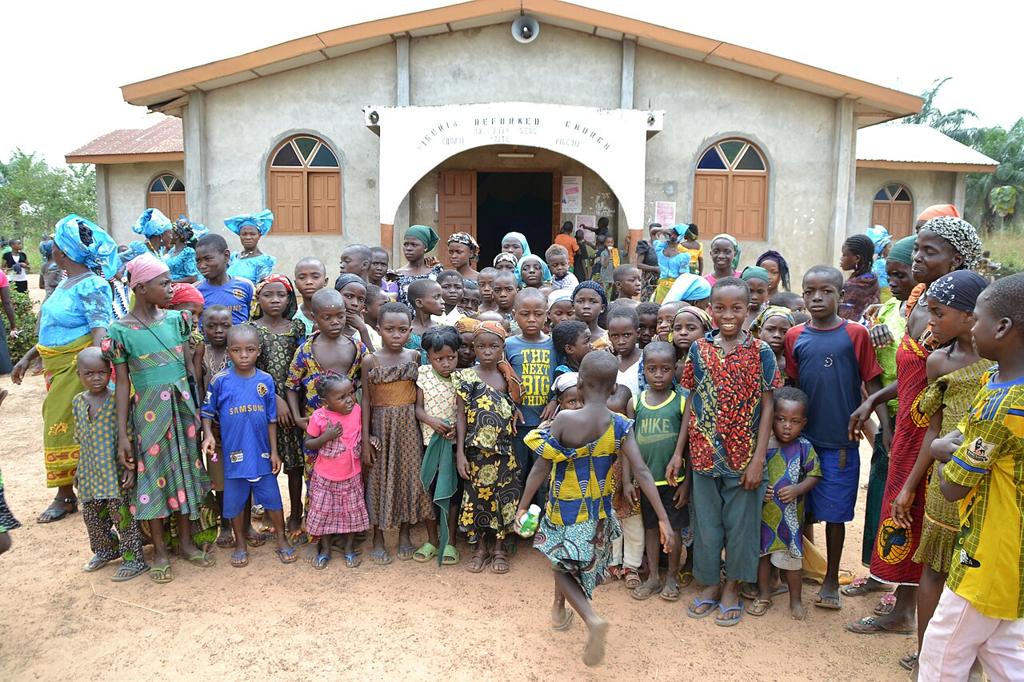
In Nigeria, Christians continue to gather for worship despite the risks, demonstrating resilience in the face of violence. The proposed legislation is seen as a necessary step to address the plight of persecuted Christians and uphold religious freedom.
Paul Teller, a senior advisor at Advancing American Freedom, and Shawn Wright, the incoming president of International Christian Concern, emphasize the importance of bipartisan support for protecting religious liberty in the face of persecution.