Former President Donald Trump criticized the persecution of Christians in Nigeria last week, coinciding with the U.S. Department of State's decision to re-designate Nigeria as a Country of Particular Concern for severe violations of religious freedom. This marks a notable shift from the Biden administration's previous stance on the issue.
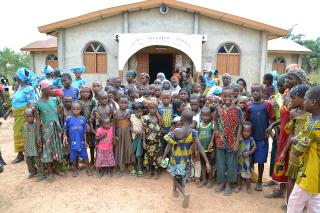
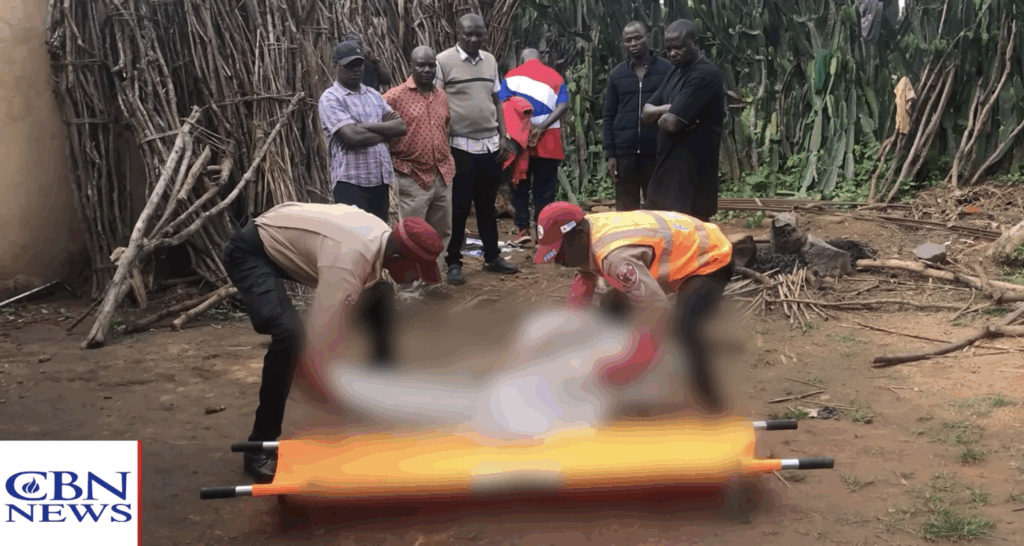
Nigeria, which has the largest Christian population in Africa, has experienced a significant increase in religious persecution. Attacks against Christians have surged, particularly from Fulani herders, a Muslim group that has been encroaching on historically Christian territories. Earlier this year, a raid resulted in the deaths of 40 Christians, including children and the elderly.
In 2023 alone, more than 7,000 Christians have been killed in Nigeria, averaging 35 deaths per day. Hundreds more have been kidnapped, tortured, or displaced by Islamist extremists, including Boko Haram and ISIS. Since 2009, estimates suggest that between 50,000 and 100,000 Christians have been killed, with over 19,000 churches destroyed.
Trump's remarks come at a time when Islamist terrorism is a growing concern in both the U.S. and Europe. He emphasized the need for moral clarity, stating, "When I speak, the world listens and takes my threats seriously." His comments aim to draw attention to the broader issue of religious persecution, not only in Nigeria but also in Western nations.
The situation for Christians in Europe has also been deteriorating. New laws in England and Wales have made it illegal to influence a person's decision regarding abortion, leading to arrests for peaceful activities such as silent prayer. In 2022, Adam Smith-Connor was convicted for praying outside an abortion facility, highlighting the challenges faced by Christians in expressing their beliefs publicly.
In 2023, the Observatory on Intolerance and Discrimination Against Christians in Europe reported 2,444 anti-Christian hate crimes, with nearly 1,000 incidents occurring in France alone. The rise in violence against Christians has included arson attacks on churches and personal assaults, raising concerns about the safety and freedom of religious expression in Europe.
Trump's intervention serves as a reminder of the ongoing struggles faced by Christians worldwide. Kristen Ziccarelli, Senior Policy Analyst for Homeland Security & Immigration, noted that the global Christian Church remains the most persecuted institution on earth. She emphasized the importance of recognizing both overt and subtle forms of persecution.
As the West grapples with these issues, the question remains whether it will defend religious liberty or allow it to erode. Trump's focus on Nigeria underscores the urgent need for a renewed commitment to protecting the rights of religious minorities globally.