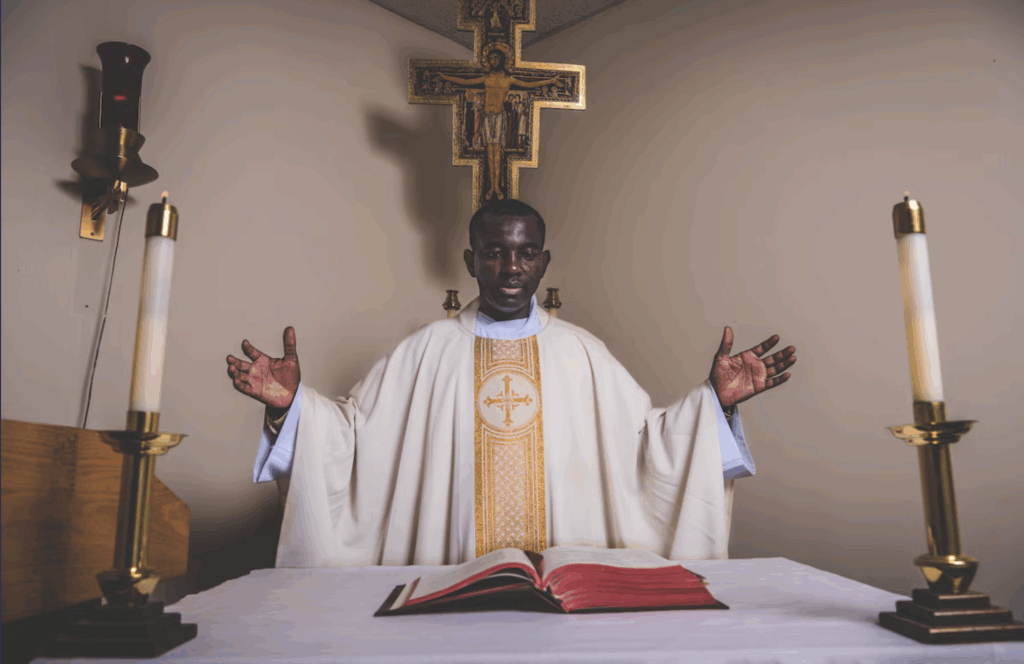
A recent surge in violence against Christians in Nigeria has drawn international attention, with reports indicating that approximately 8,000 Christians have been killed this year alone. This alarming trend has raised serious concerns about religious freedom and the safety of minority groups in the country.
The ongoing persecution of Christians in Nigeria highlights a broader conflict involving Islamic jihadist groups, which critics argue is often overlooked by mainstream media. According to various reports, the violence is not merely a result of tribal disputes but is rooted in a systematic campaign against Christians, with groups like Boko Haram and Fulani militants being the primary perpetrators.
Background on Persecution
Key Details
Historically, Nigeria has faced significant challenges with religious violence, particularly in its northern regions where Islamic extremist groups operate. The situation has escalated in recent years, with thousands of churches destroyed and countless individuals displaced. Reports indicate that since 2009, around 135,000 Christians have been killed in Nigeria, a statistic that underscores the severity of the crisis.
Background and Reactions
Stella Morabito, a senior contributor at The Federalist, emphasizes the need for greater awareness and intervention, stating, "If not checked through intervention, their violence will continue to spread to the point where Sharia law will be at our doorstep." Morabito's comments reflect a growing concern among advocates for religious freedom who fear that the situation could worsen without international support.
Recent Developments
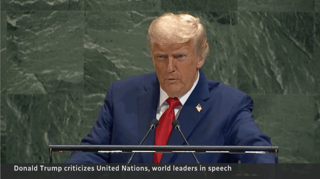
In late October, former President Donald Trump designated Nigeria as a country of particular concern regarding religious freedom violations. This designation is the highest global ranking for such violations and aims to draw attention to the plight of persecuted Christians. Following this announcement, some members of Congress, including Representative Marlin Stutzman, have also voiced their concerns about the ongoing violence.
Despite the increased attention, there have been notable denials regarding the extent of Christian persecution in Nigeria. During a recent interview, human rights lawyer Robert Amsterdam disputed claims of widespread violence against Christians, suggesting that the situation is more complex than portrayed. Critics, however, argue that such denials serve to obscure the reality on the ground. Judd Saul of Equipping the Persecuted responded to Amsterdam's claims, stating that he is a “paid mercenary” of the Nigerian government, lacking firsthand knowledge of the violence.
The Call for Action
Advocates for Nigerian Christians, like Judd Saul, are urging for immediate action to prevent further bloodshed. Saul warns that without intervention, the situation could lead to a significant increase in violence, particularly as the holiday season approaches. He stated, "Without intervention before Christmas, we can expect to see a bloodbath of Nigerian Christians at Christmas."
Saul's organization has been working closely with local communities to gather intelligence on impending attacks, claiming an accuracy rate of 89% in their alerts. However, he criticized the Nigerian government for failing to act on this information, stating, "Nigerian police and government do nothing after being notified of impending attacks."
The plight of Christians in Nigeria has drawn parallels to historical genocides, with Morabito referencing the Armenian genocide as a cautionary tale. She argues that the world must not remain silent in the face of such atrocities, stating, "Every person of goodwill should speak up about the skyrocketing of Christian persecutions and massacres in the modern world today, beginning with Nigeria."
Conclusion
As the violence against Christians in Nigeria continues to escalate, the international community faces a critical moment to respond. The ongoing persecution raises important questions about religious freedom and the protection of minority groups in regions affected by extremist violence. While some officials have begun to acknowledge the crisis, the need for sustained attention and action remains urgent, as advocates call for a unified response to protect vulnerable populations.