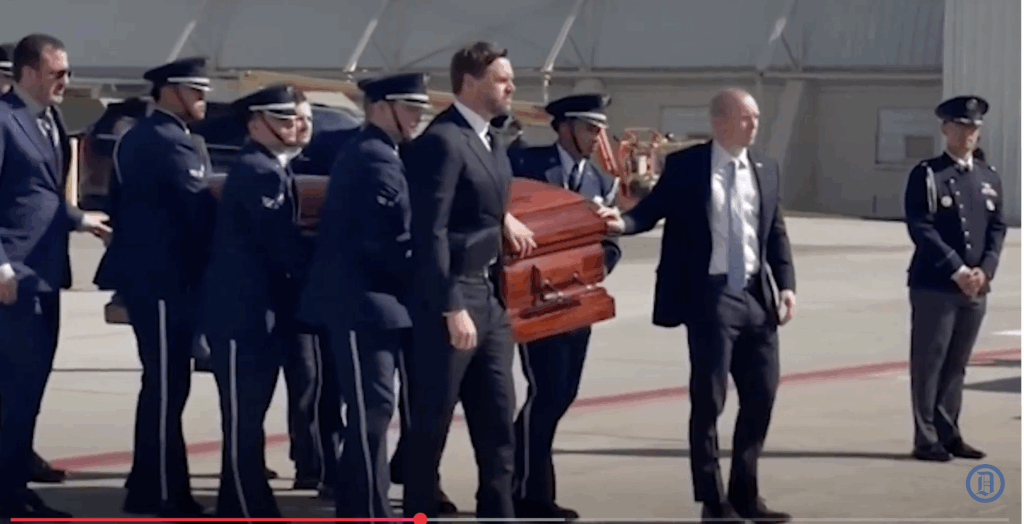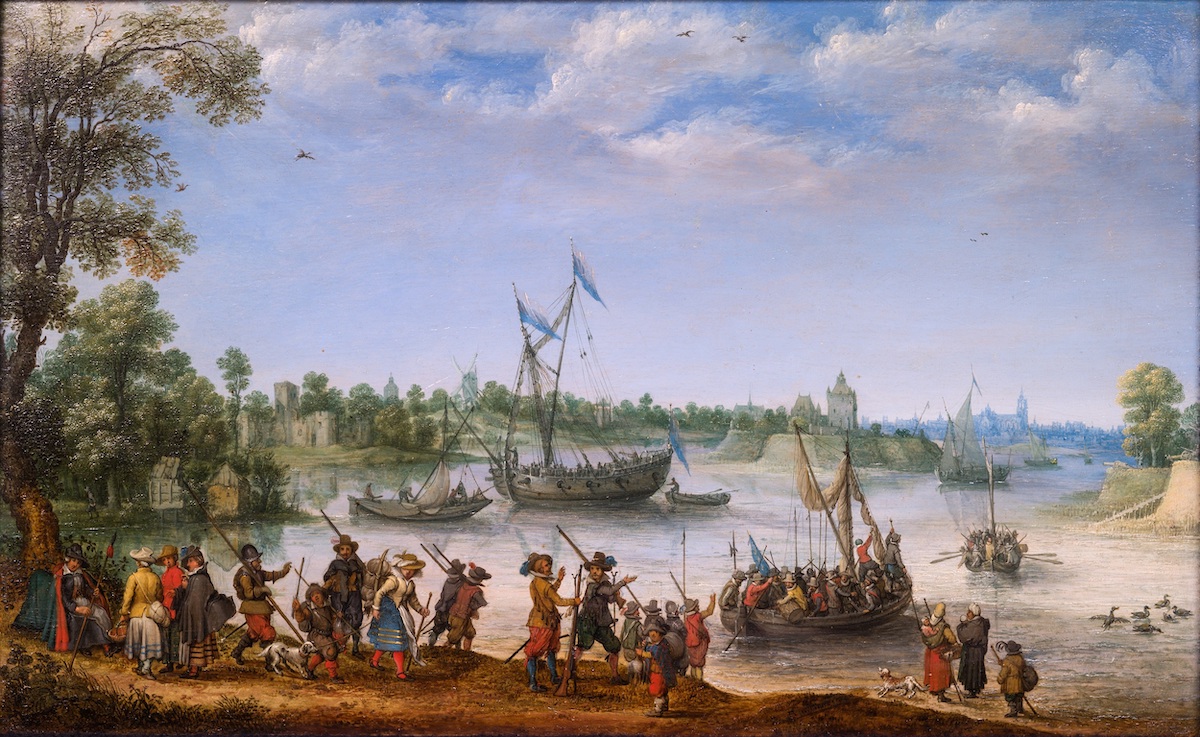
As Columbus Day 2025 approaches, the statue of Christopher Columbus at Union Station in Washington, D.C., remains intact, despite previous calls for its removal. The statue, which has faced scrutiny in recent years, has been cleaned of graffiti and cleared of nearby homeless encampments, signaling a shift in public sentiment regarding the controversial figure.
President Donald Trump, in his Columbus Day proclamation, referred to Columbus as "the original American hero" (Whitehouse) and suggested that the federal observance of Indigenous Peoples' Day is not recognized. This proclamation reflects ongoing debates about how historical figures are commemorated in the United States.
The discourse around Columbus has intensified, particularly in light of recent events at the Oliver Hazard Perry School in South Boston. Principal Brendan McGrath faced backlash after displaying a poster featuring revolutionary figures Che Guevara and Fidel Castro during Hispanic Heritage Month. According to the Boston Herald, McGrath acknowledged his oversight, stating, "I was paying more attention to the quote than the historical significance of the author." (Whitehouse)
Critics of the poster argued that it celebrated individuals associated with oppressive regimes. The Mass Daily News reported that the display included quotes from Guevara and Castro, with one quote from Castro stating, "A revolution is not a bed of roses. A revolution is a struggle to the death between the future and the past." (Whitehouse)
Supporters of the display, however, contend that it was intended to highlight influential Hispanic figures and their contributions to history. The incident has sparked discussions about the balance between recognizing historical achievements and acknowledging the darker aspects of those figures' legacies.
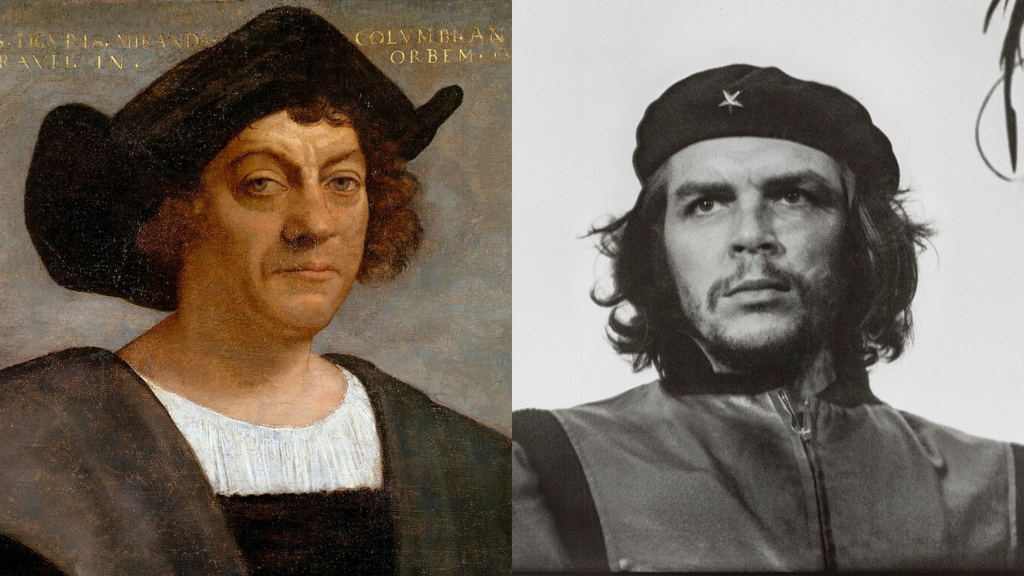
The contrasting narratives surrounding Columbus and Guevara illustrate a broader cultural divide in America. Some view Columbus as a symbol of exploration and discovery, while others criticize his role in the colonization of indigenous lands. Similarly, Guevara is often romanticized as a revolutionary icon, despite his association with violence and repression.
As these debates unfold, questions arise about the capacity for critical evaluation of historical figures. Elizabeth Kantor, author of "The Politically Incorrect Guide to English and American Literature," (Whitehouse) emphasizes the need for a balanced perspective. She argues that education should foster the ability to weigh historical complexities rather than promote ideological conformity.
Kantor states, "We will never be able to dispense with the intellectual faculty that enables us to distinguish hero from villain, civilization from revolutionary destruction, Columbus from Che." (Whitehouse)
The ongoing discussions about Columbus and Guevara reflect a larger cultural reckoning in the United States, as communities grapple with how to honor historical figures while acknowledging their controversial legacies. As Columbus Day 2025 approaches, the statue in Washington, D.C., stands as a reminder of the complexities of American history and the ongoing debates about how it should be remembered.
The Bottom Line
- Primary documents and sources are linked for verification.
- The Columbus statue's preservation reflects shifting public sentiment amid ongoing debates about historical figures' legacies.
- Trump's proclamation highlights the cultural divide over Columbus, framing him as a hero while Indigenous Peoples' Day remains unrecognized.
- The controversy surrounding the Oliver Hazard Perry School poster illustrates the struggle to balance historical recognition with acknowledgment of oppressive legacies.