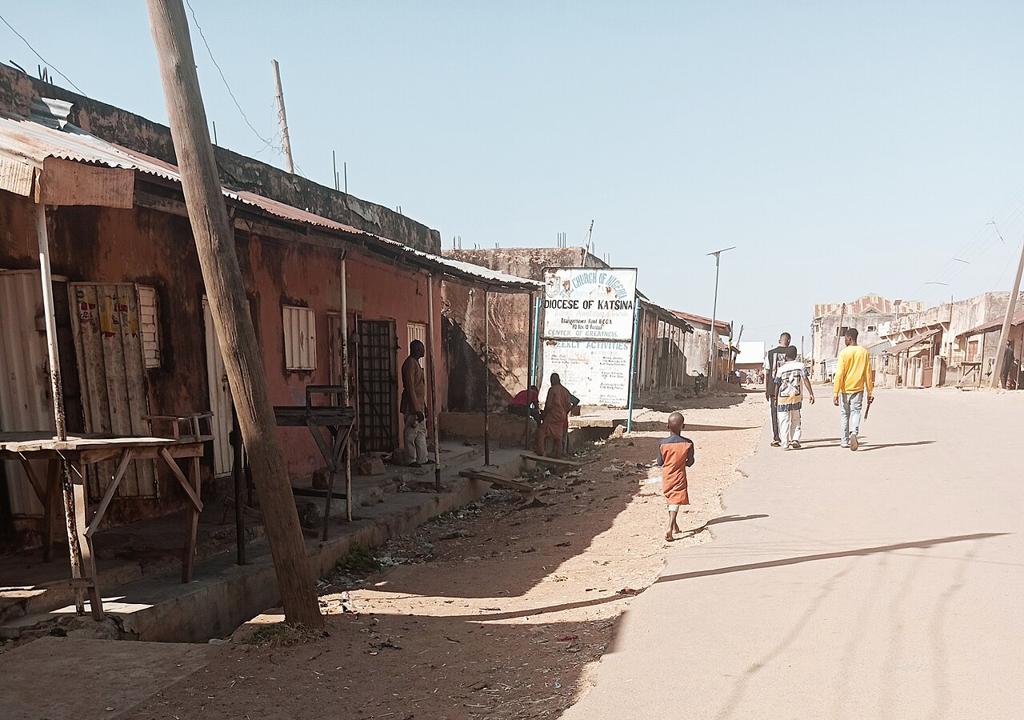
For years, Christians have faced systemic persecution in Nigeria, particularly in the northern regions where Muslim terrorist groups and militias have been responsible for numerous attacks. According to a recent report by Catholic Vote, from 2019 to 2023, approximately 55,910 people were killed and 21,621 abducted, averaging eight attacks per day involving killings or abductions. In 2025 alone, over 7,000 Christians have reportedly been killed within the first 220 days.
Despite the severity of the situation, many Christian leaders appear to downplay the crisis. In a recent address, Pope Leo XIV expressed concern over Western nations' treatment of migrants, diverting attention from the violence faced by Christians in Nigeria. Cardinal Parolin, a prominent figure in the Vatican, has characterized the conflict as primarily social rather than religious, suggesting that disputes between herders and farmers are to blame, while asserting that many Muslims in Nigeria also suffer from intolerance.
"Attackers have claimed divine justification for their actions, asserting that they believe they are entitled to the land of Nigeria."
— Judd Saul, missionary documenting the violence
Critics argue that this perspective overlooks the disproportionate impact on Christian communities and fails to acknowledge the religious motivations behind many of the attacks. Judd Saul, a missionary documenting the violence, noted that attackers have claimed divine justification for their actions, asserting that they believe they are entitled to the land of Nigeria.
Mike Arnold, a filmmaker, corroborated this view, describing how attackers often separate Christian and Muslim victims, executing Christian men and enslaving women. Meanwhile, Nigerian officials continue to frame the violence as a territorial dispute, which many see as an inadequate response to the ongoing persecution.
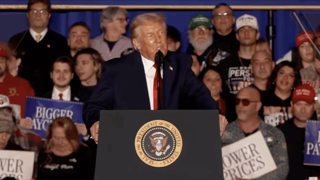
The issue has garnered attention beyond religious circles, with public figures like comedian Bill Maher acknowledging the plight of Nigerian Christians. Former President Donald Trump has also been urged to designate Nigeria as a "Country of Particular Concern," a status he previously assigned during his administration.
The reluctance of some Christian leaders to confront the reality of the situation may stem from a desire to maintain ecumenical relations with Muslim communities. However, critics argue that this approach ignores fundamental differences between Christianity and Islam, which have led to divergent cultural and societal outcomes. The challenges faced by Muslim-majority countries, including political instability and violence, are often attributed to deeper issues within the faith and its historical context.
Some commentators suggest that acknowledging the persecution of Christians in Nigeria is essential for addressing the broader implications of immigration and cultural integration in Western nations. They argue that failing to recognize these issues could lead to a misunderstanding of the challenges posed by large-scale immigration from regions with different cultural and religious backgrounds.
To effectively address the crisis in Nigeria, advocates call for a public condemnation of Christian persecution and a reevaluation of immigration policies that may inadvertently support such violence. They argue that leaders must prioritize the safety and rights of persecuted communities while fostering a more honest dialogue about the implications of immigration and cultural assimilation.
In conclusion, the ongoing violence against Christians in Nigeria raises critical questions about religious freedom, cultural integration, and the responsibilities of global leaders to protect vulnerable populations. As the situation evolves, it remains imperative for both religious and secular leaders to confront these realities and advocate for meaningful change.