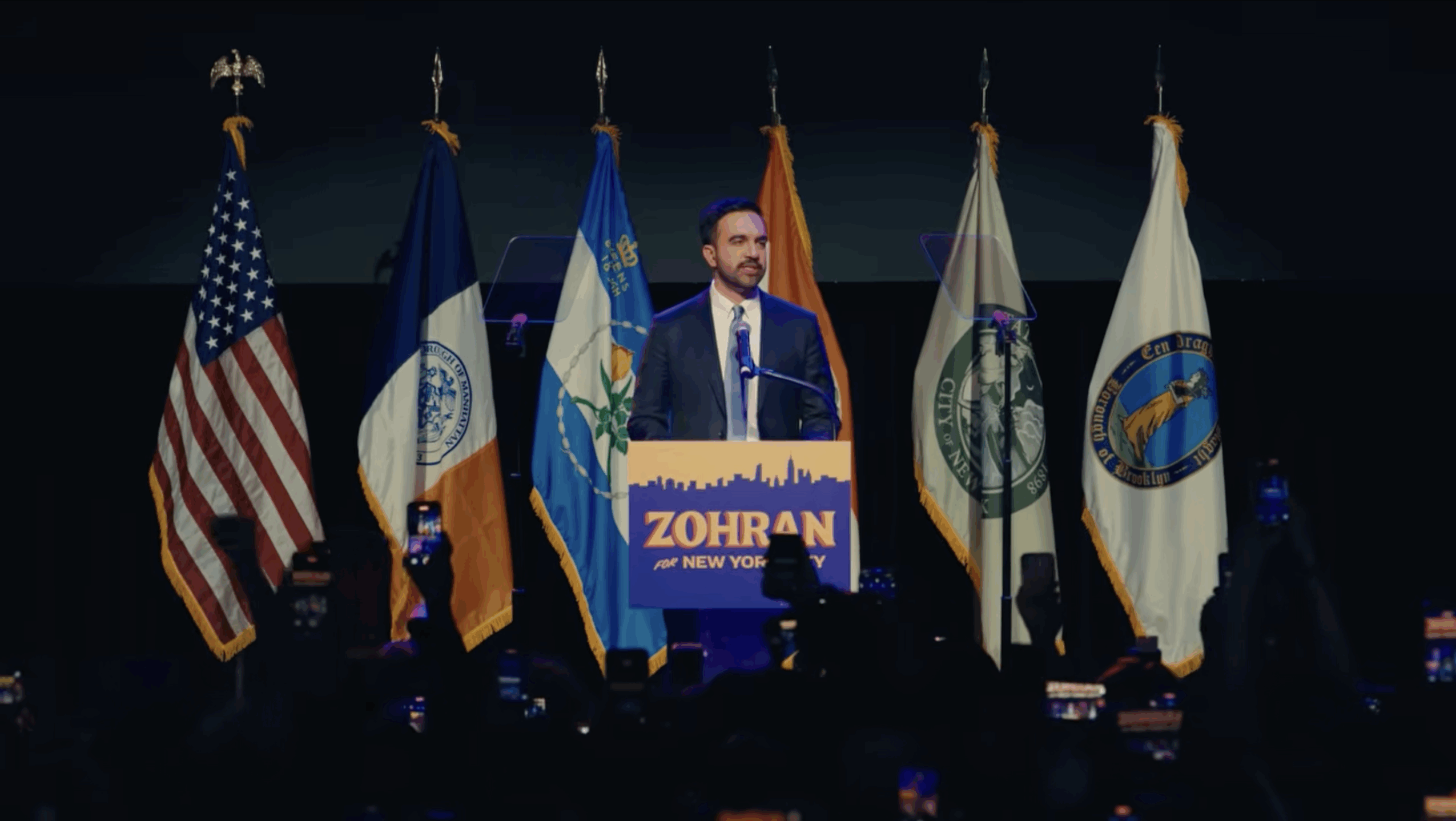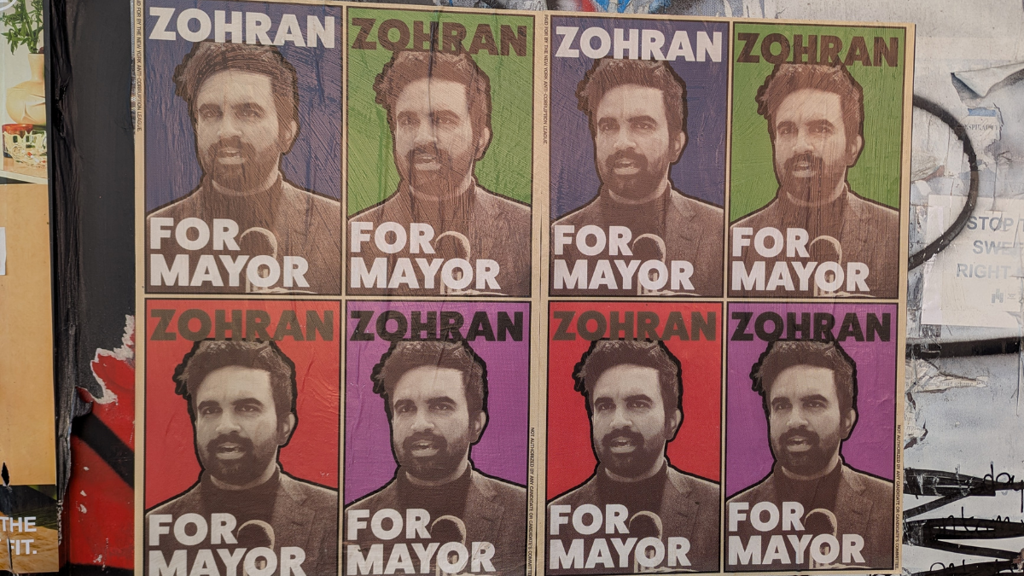
As New Yorkers prepare to vote in a pivotal mayoral race, the rise of Zohran Mamdani, a self-identified socialist and pro-Islamist, has garnered national attention. Mamdani, a naturalized U.S. citizen from Uganda, is positioned to win the election, prompting concerns about his alignment with core American values. In a recent debate, he criticized his opponent, Andrew Cuomo, for not being familiar with local mosques, highlighting his connection to the Muslim community.
Mamdani has publicly supported Imam Siraj Wahhaj, who has faced scrutiny for past associations, including being named a potential co-conspirator in the 1993 World Trade Center bombing. Despite this, Mamdani referred to Wahhaj as a significant figure in the Bed-Stuy community, raising questions about his stance on national security and community integration.
Critics argue that Mamdani embodies a broader trend within the Democratic Party, which they claim is fostering an “Islamic cultural revolution” that could reshape American identity. This sentiment is echoed in other parts of the country, such as Hamtramck, Michigan, where an all-Muslim city council recently renamed a major street in response to the ongoing Israel-Hamas conflict.
In Texas, the proposed East Plano Islamic Center has sparked debate over its potential impact on local demographics and culture. The center is envisioned as a large Islamic community hub, raising concerns among some residents about the implications for the area’s identity.
Amid these developments, Republicans in Congress are urged to take decisive action on immigration policy. Proponents of stricter measures argue that the current immigration system is unsustainable and that reforms are necessary to protect American values. Suggestions include tightening asylum policies and addressing birthright citizenship, which some view as a magnet for immigration.
The Trump administration implemented several immigration policies aimed at curbing illegal immigration, but their permanence remains uncertain. Legislative measures like the Secure the Border Act and the Preserving a Sharia-Free America Act have been proposed as potential solutions to address these concerns.
As the nation grapples with these complex issues, the stakes are high. The outcome of the New York City mayoral race could signal a shift in the political landscape, reflecting broader national trends regarding immigration and cultural identity. With over 50 million foreign-born residents in the U.S., the debate over immigration and its impact on American society is more pressing than ever.
The question remains: will the U.S. continue to welcome those who seek to redefine the American Dream, or will it prioritize the preservation of its foundational values? The upcoming election in New York City may provide a glimpse into the future direction of the country as it navigates these critical issues.
The Bottom Line
- Primary documents and sources are linked for verification.
- Zohran Mamdani's rise in the NYC mayoral race highlights a shift towards progressive values within the Democratic Party, raising concerns about American identity.
- Mamdani's connections to controversial figures and his pro-Islamist stance have sparked national debates on immigration and cultural integration.
- The election outcome could influence broader national trends regarding immigration policy and cultural identity in the U.S.