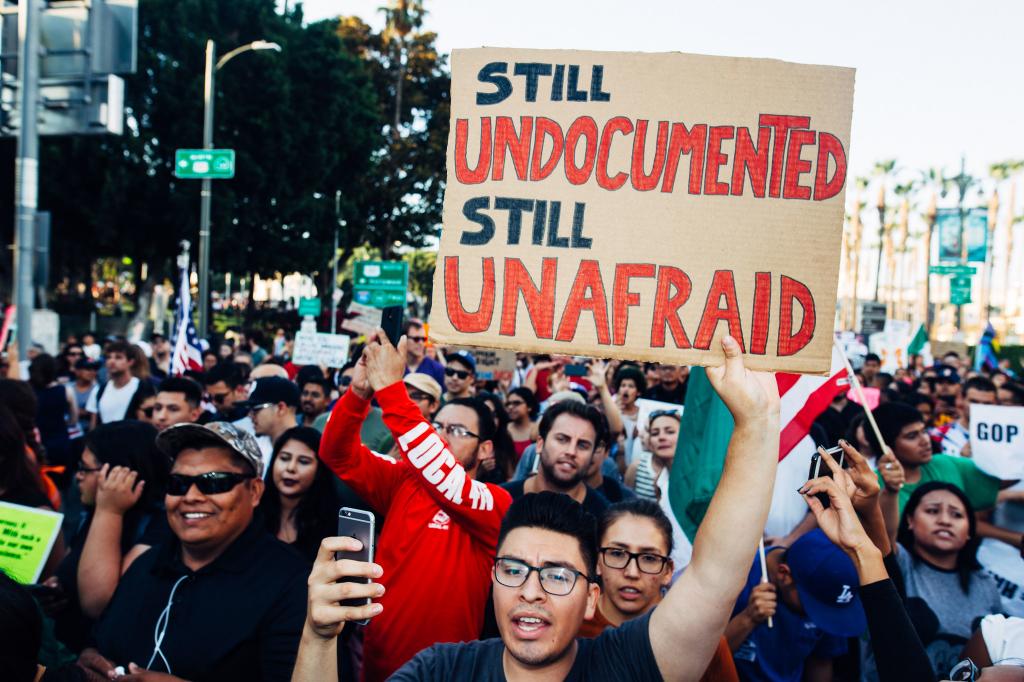
The attorneys general of 24 states have filed a brief with the U.S. Supreme Court supporting the Trump administration's efforts to end birthright citizenship. Led by Tennessee Attorney General Jonathan Skrmetti and Iowa Attorney General Brenna Bird, the brief argues that the 14th Amendment does not guarantee automatic citizenship to anyone born on U.S. soil.
The 37-page brief asserts that the interpretation of the 14th Amendment has been misapplied, allowing individuals born to undocumented immigrants to claim citizenship. Skrmetti stated, "The idea that citizenship is guaranteed to everyone born in the United States doesn’t square with the plain language of the Fourteenth Amendment."
The brief comes in response to lawsuits from several states, including Washington and Arizona, which have sought to protect the rights of undocumented immigrants. The attorneys general contend that the Supreme Court's involvement is necessary to clarify the constitutional implications of birthright citizenship.
"Each child born in this country is precious no matter their parents’ immigration status, but not every child is entitled to American citizenship," Skrmetti added. The brief details the historical context of the 14th Amendment, emphasizing that its original intent was to confer citizenship only to children of parents who were legally present in the United States.
The attorneys general argue that the current interpretation incentivizes illegal immigration and strains state resources. They cite a significant increase in illegal immigration, estimating over 9 million undocumented individuals have entered the country in recent years, which they claim overwhelms infrastructure and community resources.
The brief also challenges the precedent set by the 1898 Supreme Court case United States v. Wong Kim Ark, which granted citizenship to a child born in the U.S. to Chinese nationals. The attorneys general argue that this case does not support the current interpretation of birthright citizenship, as the parents in Wong Kim Ark were legally present in the country.
The states joining the brief include Alabama, Florida, Texas, and others, representing a significant coalition of Republican-led states. The Supreme Court is expected to decide soon whether to take up the case, which could have far-reaching implications for immigration policy and citizenship laws in the United States.
The brief highlights that the original drafters of the 14th Amendment did not intend for it to apply to children of individuals who do not owe allegiance to the United States. It cites historical statements from lawmakers who explicitly excluded children of temporary residents from citizenship.
If the Supreme Court rules in favor of the brief's arguments, it could lead to a reevaluation of citizenship rights for children born to undocumented immigrants, potentially altering the landscape of immigration law in the U.S.