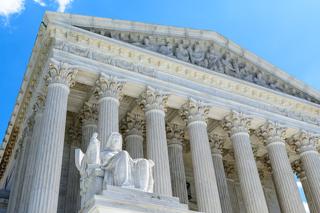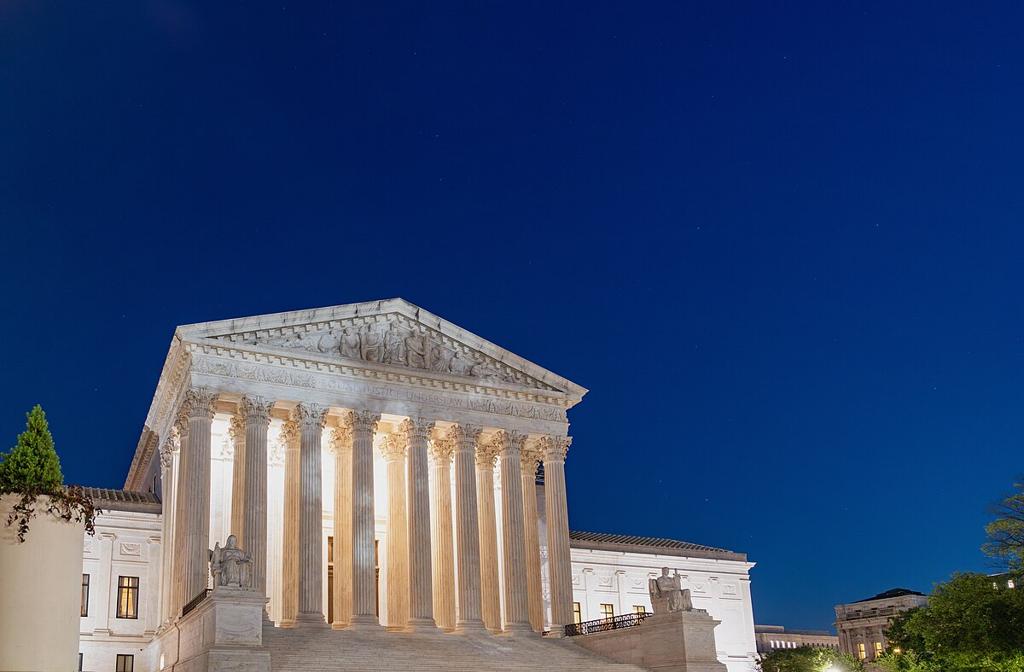
The U.S. Supreme Court ruled on September 8, 2025, in favor of the Trump administration's efforts to enforce immigration laws in California, issuing a temporary stay on a lower court injunction that had blocked Immigration Customs Enforcement (ICE) operations in Los Angeles. This decision marks another instance of the high court overturning lower court rulings deemed excessive or overreaching.
In a 6-3 decision, the Supreme Court intervened after a July ruling by District Judge Maame E. Frimpong, appointed by President Biden, which had prohibited ICE from conducting deportation raids. Judge Frimpong argued that the plaintiffs in the case were likely to succeed in their claims that the raids violated the Fourth Amendment, which protects against unreasonable searches and seizures.
"The Fourth Amendment protects every individual’s constitutional right to be ‘free from arbitrary interference by law officers.'"
— Justice Sonia Sotomayor, U.S. Supreme Court
The Supreme Court's order allows ICE to proceed with its operations while the case is under appeal in the Ninth Circuit Court of Appeals. The stay will remain in effect until the appeals court resolves the matter or until the Supreme Court decides whether to hear the case.
Justice Brett Kavanaugh, in a concurring opinion, stated, "The Government has made a sufficient showing to obtain a stay pending appeal." (U.S. Supreme Court) He emphasized that the plaintiffs might lack the standing to seek such a broad injunction against immigration enforcement, noting that immigration officers often rely on a variety of factors when making stops.
Kavanaugh further argued that the government would likely face irreparable harm if the injunction were not stayed, asserting that the Supreme Court must uphold the constitutional role of the Executive Branch in enforcing immigration laws.
In contrast, Justice Sonia Sotomayor, joined by Justices Elena Kagan and Ketanji Brown Jackson, dissented, claiming that the majority misused the court's emergency docket to favor the Trump administration. Sotomayor expressed concern that the ruling could lead to arbitrary enforcement based on appearance, stating, "The Fourth Amendment protects every individual’s constitutional right to be ‘free from arbitrary interference by law officers.'" (U.S. Supreme Court)
This ruling is part of a broader trend where the Supreme Court has recently intervened to reverse lower court decisions that it views as inconsistent with established legal precedents. Just weeks prior, the court issued a stay on another injunction that sought to block the National Institutes of Health from terminating diversity, equity, and inclusion-related grants totaling nearly $800 million.
Justice Neil Gorsuch criticized lower courts for not adhering to Supreme Court precedents, stating, "Whatever their own views, judges are duty-bound to respect the hierarchy of the federal court system created by the Constitution and Congress." (U.S. Supreme Court)
The Supreme Court's decision to allow ICE operations to continue in California has drawn mixed reactions. Supporters of the ruling argue that it reinforces the government's authority to enforce immigration laws effectively. Critics, however, warn that it could lead to discriminatory practices in immigration enforcement, particularly against individuals based on their appearance or language.
As the case progresses through the appeals process, the implications of this ruling may have lasting effects on immigration enforcement policies and the balance of power between federal and lower courts.