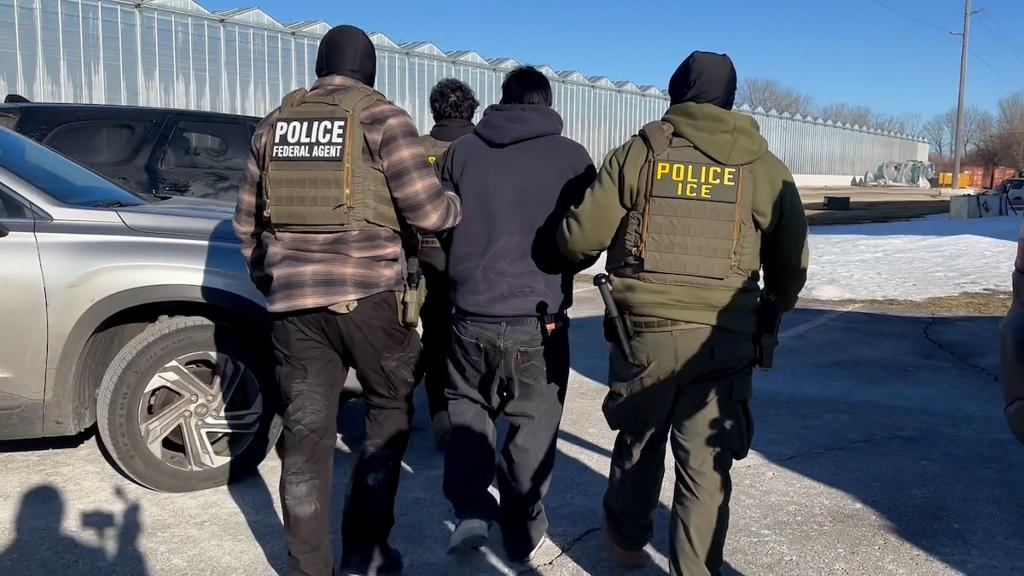
The Supreme Court has issued a series of rulings that clarify the president's authority regarding immigration, particularly concerning the removal of unauthorized immigrants. These decisions have reignited debates over the legality and necessity of mass deportations as a means to address immigration issues in the United States. The rulings have significant implications for both individuals living in the country illegally and the broader immigration framework.
Explainer Understanding the Supreme Court’s Impact on Law and Liberty
Supreme Court Rulings Spark Debate on Immigration Policy
The core tension lies in the interpretation of immigration laws and the implications for individuals residing in the U.S. without authorization. Critics of the rulings argue that they could lead to widespread deportations, which they believe would be detrimental to families and communities. On the other hand, supporters contend that such measures are necessary for national security and the integrity of immigration policies, emphasizing the need for a robust legal framework to manage immigration effectively.
Background and Reactions
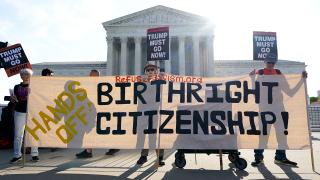
One notable ruling confirmed that the president has the authority to interpret the term "temporary" in relation to migrants allowed to reside in the U.S. for a limited time. This interpretation could enable the president to order the removal of individuals who do not meet the criteria for continued residency. Additionally, another ruling affirmed that children born in the U.S. to unauthorized immigrants are automatically granted citizenship, a practice often referred to as birthright citizenship. This ruling has been a point of contention, as it raises questions about the rights of children born to parents without legal status.
Eddie Scarry, a columnist for The Federalist, expressed strong views on the implications of these rulings, stating, "The mass deportation of illegal aliens is legal and imperative if there’s any hope of saving this country." He argues that the current immigration framework allows individuals from various countries to gain citizenship and welfare benefits through birth, which he claims undermines the electoral process. Scarry's perspective reflects a growing sentiment among some policymakers who advocate for stricter immigration controls.
Scarry further contends that the rulings necessitate a reevaluation of immigration policies, suggesting that the government should implement stricter measures, including banning the entry of pregnant women and expediting deportations. He argues that the focus should shift from targeting serious criminals to a broader approach that includes all unauthorized immigrants, thereby expanding the scope of enforcement.
However, critics of this perspective raise significant concerns about the humanitarian implications of mass deportations. They argue that such policies could separate families and create substantial social and economic disruptions. Supporters of more lenient immigration policies assert that the contributions of immigrants to society and the economy should not be overlooked. They emphasize the importance of considering the human aspect of immigration, advocating for policies that protect vulnerable populations while still addressing security concerns.
The Supreme Court's decisions also touch on the broader issue of voter rights and election integrity. One ruling allowed states to count ballots that arrive after Election Day, which some critics argue could undermine the concept of a fixed election date. Scarry describes this as a threat to the electoral process, stating, "It’s criminal" to allow such practices that could lead to voter fraud. This intersection of immigration policy and electoral integrity adds another layer of complexity to the ongoing debates.
As the debate continues, the implications of these rulings remain significant for future immigration policy and the rights of individuals living in the U.S. Critics of the current administration's approach to immigration have called for a more balanced discussion that considers both security and humanitarian needs. They argue that a comprehensive immigration reform is necessary to address the challenges posed by unauthorized immigration while ensuring the protection of human rights.
In response to the Supreme Court's rulings, officials from the Biden administration have not yet provided a comprehensive plan to address the concerns raised by critics. The lack of a clear response has left many wondering how the administration will navigate the complex landscape of immigration law moving forward. This uncertainty contributes to the ongoing tension surrounding immigration policy in the U.S.
The ongoing discussions surrounding these rulings highlight the contentious nature of immigration policy in the U.S. As various stakeholders weigh in, the future of immigration law and its enforcement remains uncertain, with potential ramifications for millions of individuals living in the country. The dialogue surrounding these issues will likely continue to evolve as new rulings and policies emerge, shaping the landscape of immigration in America for years to come.