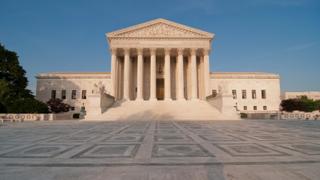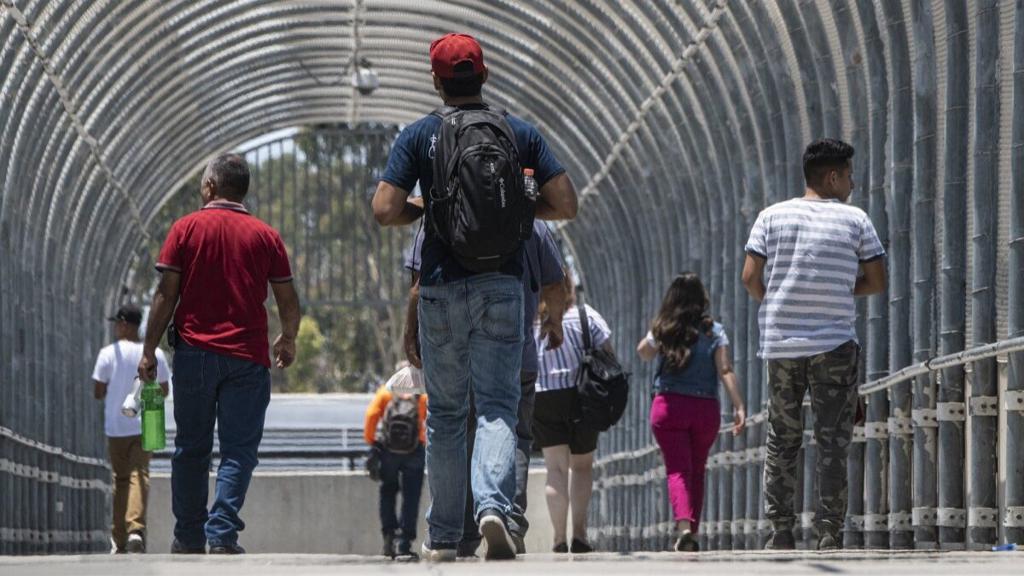
The Supreme Court's recent decision in Trump v. Barbara, which upheld the principle of birthright citizenship, has drawn sharp criticism from legal scholars and conservative commentators who argue it undermines the original intent of the 14th Amendment. The 5-4 ruling has been compared to landmark decisions like Dred Scott and Roe v. Wade, with dissenters claiming it misinterprets the Constitution by asserting that anyone born on U.S. soil automatically becomes a citizen.
Explainer Understanding the Supreme Court’s Impact on Law and Liberty
Critics of the ruling assert that the phrase "subject to the jurisdiction thereof" in the 14th Amendment does not support the notion of automatic citizenship for all born in the U.S., particularly for children of foreign nationals. Ryan James Girdusky, a conservative commentator, stated, "The child of a Chinese spy born in the states is not an American," emphasizing concerns about the implications of birthright citizenship on national security and immigration policy.
"The child of a Chinese spy born in the states is not an American."
— Ryan James Girdusky, conservative commentator
The ruling has reignited a broader debate about the legal framework surrounding citizenship in the United States. Many conservatives are now calling for a comprehensive overhaul of the legal system, arguing that the judiciary has strayed from its constitutional foundations. They contend that the current legal landscape, influenced by what they describe as a leftist agenda, requires significant reform to align with traditional American values.
Calls for Legal Reform
In response to the ruling, some conservative leaders are advocating for a movement similar to those that sought to overturn Roe v. Wade. They argue that the legal profession must be restructured to produce judges and legal scholars who adhere to a more originalist interpretation of the Constitution. Girdusky and others suggest that Republican-led states should take the initiative to establish alternative law school accreditors to challenge the American Bar Association's (ABA) influence, which they claim promotes a leftist ideology.
Proponents of this reform argue that the ABA's control over legal education has contributed to a judiciary that fails to uphold constitutional principles. They propose that states should create new accreditation bodies that would prioritize curricula reflecting traditional legal philosophies and discourage what they term "anti-American" teachings. This could potentially reshape the legal landscape by fostering a generation of lawyers and judges more aligned with conservative values.
The Broader Implications
The implications of the Supreme Court's ruling extend beyond legal circles. Critics warn that the continuation of birthright citizenship could lead to increased immigration pressures and a potential shift in electoral dynamics, as they believe it allows unauthorized immigrants to secure citizenship for their children. This concern is underscored by the fact that millions of individuals could benefit from birthright citizenship, which some argue could influence future elections.
Supporters of the ruling, however, maintain that birthright citizenship is a fundamental aspect of American democracy and reflects the nation’s commitment to inclusivity. They argue that the decision upholds the Constitution and protects the rights of individuals born in the U.S., regardless of their parents' immigration status. Critics of the dissenting views have not publicly responded to the specific claims made by opponents of the ruling.
Future of Citizenship Policy
As the debate over birthright citizenship continues, the legal community is bracing for potential challenges and changes. Legal experts suggest that the ruling may prompt a series of lawsuits aimed at redefining citizenship laws, particularly as states consider new legislation in response to the Supreme Court's decision. The conversation surrounding citizenship is likely to evolve, with both sides preparing for a protracted legal and political battle.
In conclusion, the Supreme Court's ruling on birthright citizenship has catalyzed a significant backlash from conservative factions, who are now calling for sweeping reforms in the legal system. As the implications of this decision unfold, the future of citizenship policy in the United States remains uncertain, with potential ramifications for immigration and electoral processes.