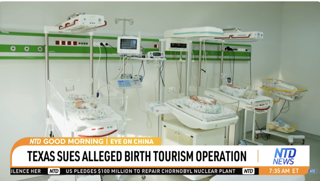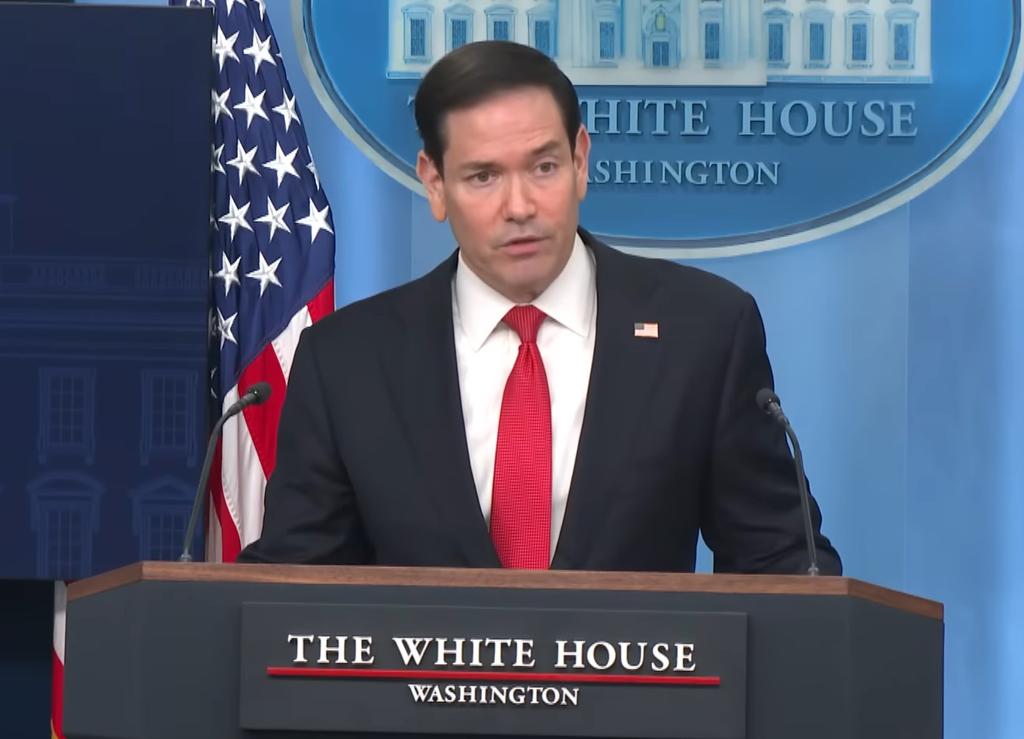
The U.S. State Department announced on Wednesday the dismantling of several birth tourism networks operating in Europe and Africa. These networks were aimed at preventing foreign nationals from obtaining U.S. citizenship for their children through birth. The department emphasized that visitor visas cannot be used primarily for the purpose of acquiring citizenship by giving birth in the United States. This action underscores ongoing concerns about the misuse of U.S. immigration policies, particularly regarding birthright citizenship. Critics argue that this loophole is exploited by individuals seeking to gain residency through their U.S.-born children. The State Department stated, "A U.S. visa is a privilege, not a right," as it seeks to curb what it describes as abuse of the immigration system.
Dismantling Networks
According to the State Department, investigations revealed a sophisticated network in West Africa that facilitated the entry of over 100 pregnant foreign nationals into the U.S. using fraudulent documents. The department reported that it has revoked these individuals' visas and is collaborating with local authorities to identify and dismantle similar operations. In North Africa, more than 100 visas were also revoked for parents attempting to enter the U.S. for the purpose of giving birth. The State Department noted that consular officers, in conjunction with law enforcement, utilized data analytics to identify and shut down these networks effectively.
Background and Reactions
Embassy officials in Europe uncovered over 400 suspected cases of birth tourism dating back to 2024. These activities were traced to at least six companies that coached applicants on visa interviews and arranged housing and delivery plans in the U.S. The State Department has permanently banned several individuals involved in these schemes from entering the country. Critics of birth tourism argue that it undermines the integrity of U.S. immigration laws. They point to the interpretation of the 14th Amendment, which grants citizenship to anyone born on U.S. soil, as a loophole that allows individuals to exploit the system. Supporters of the current framework argue that it is essential for maintaining the principle of equality under the law, although they did not respond to the State Department's recent actions.
Broader Implications
The Center for Immigration Studies estimates that there were approximately 70,000 births to temporary visitors in 2023 alone, with around 500,000 in the past decade, all of which could qualify for citizenship. This statistic has raised alarms about the potential long-term impact on U.S. immigration policy and public resources. Former President Donald Trump previously signed an executive order titled "Protecting the Meaning and Value of American Citizenship," aimed at addressing the issue of birthright citizenship. This order is currently under review by the Supreme Court, with a decision expected in late June. Legal experts suggest that the outcome could significantly influence the future of citizenship laws in the U.S.
As the debate continues, the State Department's recent actions reflect a growing concern over the integrity of U.S. immigration policies and the potential for abuse. While some view these measures as necessary to protect American sovereignty, others argue that they could undermine the foundational principles of citizenship and equality. The ongoing discussions surrounding birth tourism and immigration policy highlight the complexities of balancing national interests with the rights of individuals seeking a better life in the United States.