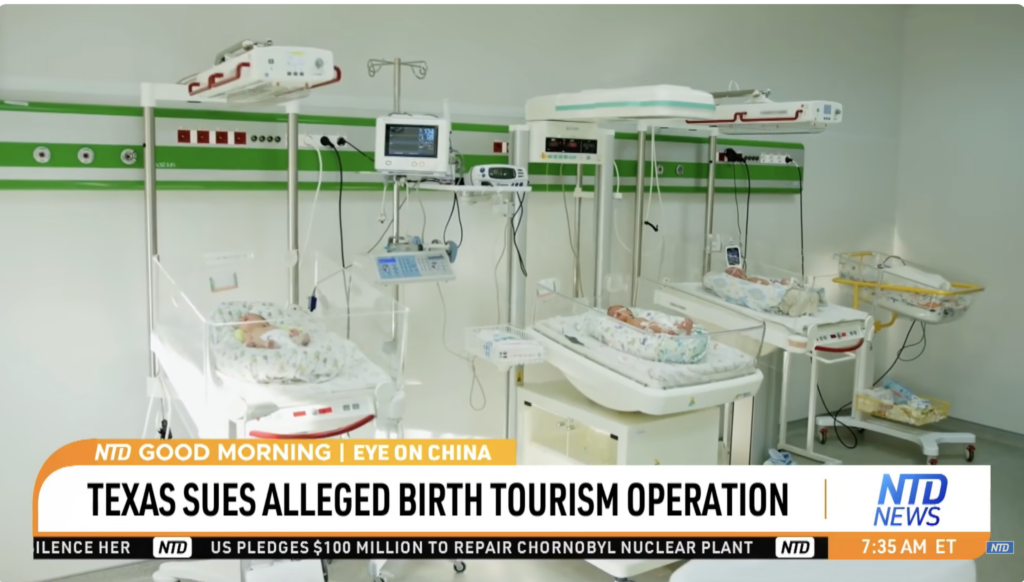
Republican lawmakers have opened an investigation into the birth tourism industry, targeting businesses that facilitate childbirth for foreign nationals in the United States. This inquiry is led by Rep. Brandon Gill, R-Texas, who chairs the newly formed Task Force on Defending Constitutional Rights and Exposing Institutional Abuses. The investigation aims to address concerns that these practices undermine U.S. sovereignty and exploit the nation’s immigration laws.
The core issue revolves around the legality and implications of birth tourism, which allows foreign nationals to give birth in the U.S. to secure citizenship for their children. Critics argue that this practice poses national security risks, particularly as many expectant mothers come from countries like China and Russia, which are viewed as potential adversaries.
Birth tourism has been a growing concern for several years, with estimates suggesting that around 70,000 births to temporary visitors occurred in 2023 alone. The Center for Immigration Studies reports that this trend has resulted in nearly 500,000 births over the past decade, raising alarms about the long-term implications for U.S. citizenship and immigration policy.
Investigation Details
Gill and House Committee on Oversight and Government Reform Chairman James Comer, R-Ky., have sent letters to four businesses involved in birth tourism, including Have My Baby in Miami and Doctores Para Ti, requesting documentation related to their operations. The lawmakers accuse these companies of exploiting birthright citizenship by marketing their services specifically to foreign expectant mothers seeking to give birth in the U.S.
“It should appall every American to know that there is a thriving birth tourism economy on our soil,” Gill stated in a press release. He emphasized the need to clamp down on companies that misrepresent their intentions when applying for visitor visas.
The lawmakers’ letters highlight concerns that the birth tourism industry could lead to increased chain migration and significant costs to American taxpayers. According to the Federation for American Immigration Reform, the industry is estimated to be worth billions, with severe consequences for U.S. citizens and taxpayers.
Legal and Ethical Concerns
While it is legal for foreign nationals to give birth in the U.S., Gill noted that misrepresenting the purpose of their visit could constitute visa fraud. He stated, “To say that you’re coming here to be a tourist for a short period of time if you’re knowingly doing so for the purpose of having a child is against the law.”
The investigation comes in the wake of a 2020 State Department rule that sought to restrict temporary visitor visas for childbirth. Lawmakers are now pushing for stricter regulations to prevent further exploitation of the system.
Despite the serious allegations, representatives from the targeted companies have not publicly responded to the investigation. An employee at Dr. Athiya Javid’s clinic indicated the doctor was unavailable for comment, and attempts to reach other facilities were unsuccessful.
Broader Implications
The implications of birth tourism extend beyond individual cases, as lawmakers express concern about the potential for national security threats. Gill mentioned that the investigation aims to uncover connections between birth tourism practices and foreign adversaries.
“Birth tourism has been a problem for the three decades that I’ve been enforcing immigration law,” said Tom Homan, a former Border Czar. He warned that the practice could lead to significant national security risks, particularly with the number of foreign nationals giving birth in the U.S.
In light of these developments, Gill has called for a constitutional amendment to clarify the meaning of birthright citizenship. He also noted that Sen. John Cornyn, R-Texas, has introduced legislation that would make birth tourism a deportable offense.
As the investigation unfolds, lawmakers are focused on tightening immigration laws to prevent the emergence of new businesses engaging in similar practices. Gill stated, “We want to tighten up our immigration laws in that sense as well.”
The birth tourism industry has sparked a contentious debate about immigration policy and citizenship rights, with lawmakers on both sides of the aisle weighing in on the implications for American society.
While critics of birth tourism raise valid concerns about national security and immigration integrity, supporters argue that the practice is a legal avenue for families seeking better opportunities for their children. The ongoing investigation will likely shape the future of birth tourism and its impact on U.S. immigration policy.