Former President Donald Trump recently stated he supports granting 500,000 student visas to Chinese nationals, a move that has sparked significant debate regarding its implications for American education and national security. Critics argue that prioritizing foreign students over American citizens undermines the principles of the "America First" movement, which Trump has championed.
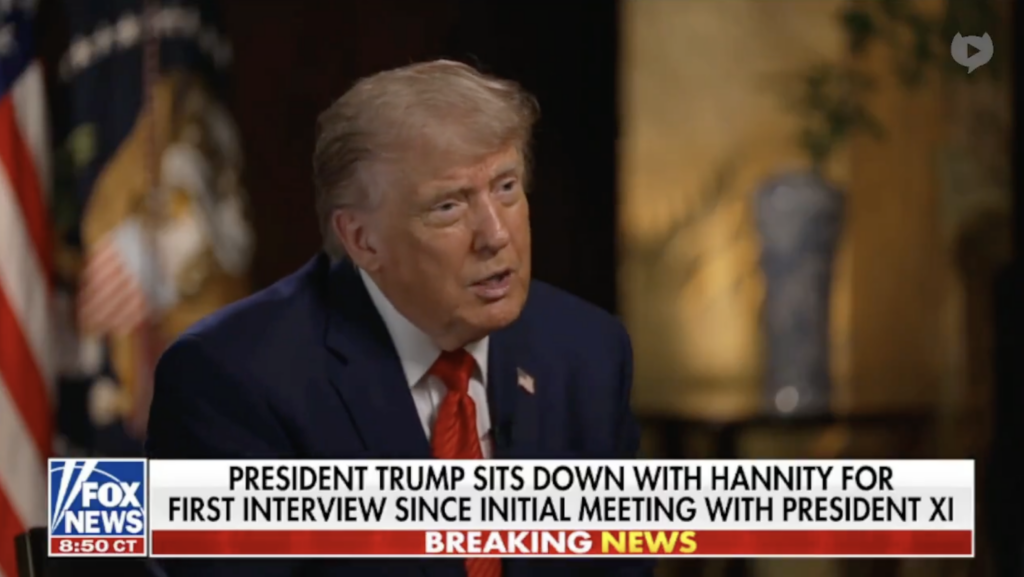
The core tension lies in balancing the needs of American educational institutions with national security concerns and the potential displacement of American students. Trump's remarks, made during an interview with Fox News' Sean Hannity, suggest that denying visas would be an insult to China, a perspective that has drawn sharp criticism from various quarters.
In his interview, Trump emphasized the importance of international students, stating, "If you don’t have those students, good students by the way … if you want to see a university system die, take a half a million people out of it." He argued that lower-tier colleges would struggle without these students, echoing sentiments he expressed last year when he claimed that 600,000 Chinese students were crucial for the survival of American universities.
National Security Concerns
Critics, including some within the America First movement, argue that allowing a large influx of Chinese students poses significant national security risks. They point to incidents such as the deportation of a Chinese national from the University of Minnesota last year, who was convicted of photographing military installations. Shawn Fleetwood, a writer for The Federalist, stated, "The correct number of Chinese nationals who should be allowed to study at American universities is zero," highlighting fears that some students may be linked to the Chinese Communist Party (CCP).
Supporters of Trump's proposal argue that international students contribute positively to the academic environment and economy. They contend that many come to the U.S. to gain a better education and may choose to stay, enriching American society. However, critics counter that this perspective overlooks the potential for foreign students to return to their home countries with valuable knowledge and skills, thereby benefiting their own nations rather than the U.S.
The Impact on American Students
The debate also raises questions about the impact on American students seeking higher education. Many argue that prioritizing foreign nationals for student visas could limit opportunities for U.S. citizens, particularly at colleges that are already struggling. The concern is that American students may find themselves competing for fewer spots at universities, which could exacerbate educational inequities.
Data from studies on Chinese students in the U.S. suggests that many do not come primarily to assimilate into American culture. A 2017 study found that the main motivations for Chinese students studying in the U.S. were the quality of education and the desire for a new perspective on their home country. This raises further questions about the long-term benefits of such a large influx of foreign students.
Diverging Views on Immigration
Trump's comments reflect a broader debate within the Republican Party regarding immigration and its impact on American society. While some party members advocate for a more restrictive approach to immigration, others, including Trump, appear to support a more open stance toward foreign students. This divergence highlights the ongoing struggle within the party to define its stance on immigration and education policy.
As the discussion continues, it remains unclear how Trump's proposal will be received by lawmakers and educational institutions. Critics have called for a reevaluation of immigration policies that prioritize foreign nationals over American citizens, while supporters of international education argue for the benefits of a diverse student body.
In summary, Trump's advocacy for 500,000 student visas for Chinese nationals has ignited a contentious debate about national security, educational equity, and the future of American higher education. The implications of this proposal will likely resonate throughout the political landscape as discussions on immigration and education policy evolve.