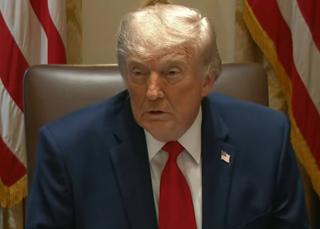
The Trump administration has enacted new federal work requirements that have led to the termination of food assistance for over three million people. This policy change is part of the administration's broader welfare reform efforts and represents a significant shift in how food stamp eligibility is determined. The core tension surrounding this issue revolves around balancing the need for social safety nets with the administration's push for increased personal responsibility among recipients. Critics of the new requirements argue that these changes disproportionately affect vulnerable populations, while supporters claim they encourage self-sufficiency and personal accountability.
According to a report from The Wall Street Journal, the new requirements mandate that individuals without children or disabilities must work or volunteer to maintain their food assistance benefits. This policy follows a substantial expansion of the program under the previous administration, which increased benefits by 25% in 2021, marking the largest expansion in history. The Journal noted a dramatic 50% drop in food stamp enrollment in Arizona since the implementation of these new rules, highlighting the immediate impact of the changes on those reliant on food assistance.
Changes to Asylum Policies
In addition to welfare reforms, the Trump administration is also tightening asylum policies. The administration has introduced measures that require visa applicants to confirm they are not in fear of persecution in their home countries before being granted entry into the United States. This directive aims to curb what some officials describe as an abuse of the asylum system, which they believe has been exploited by individuals seeking to enter the U.S. under false pretenses.
The Washington Post reported that the State Department, under Secretary Marco Rubio, has instructed U.S. consular officers to ask nonimmigrant visa applicants whether they currently face harm in their home countries. Applicants must respond negatively to both questions for their visa applications to proceed. This policy is intended to prevent individuals from entering the U.S. solely to claim asylum upon arrival, thereby streamlining the immigration process and reducing the burden on the asylum system.
Critics of the administration's approach, including Jeremy Konyndyk, president of Refugees International, argue that these changes undermine the ability of persecuted individuals to seek safety in the U.S. Konyndyk stated, "The administration is trying to systematically demolish any means by which a persecuted person could seek protection and safety in the United States." This perspective underscores the humanitarian concerns associated with the new policies, as many fear that legitimate asylum seekers may be turned away.
Supporters of the new policies contend that they are necessary to address what they see as an influx of individuals exploiting the asylum system. They argue that many applicants come from countries with governments they elected, suggesting that they should address issues at home rather than seeking refuge in the U.S. This viewpoint reflects a broader sentiment among some segments of the population that emphasizes personal responsibility and accountability in the immigration process.
Broader Implications
The implications of these policy changes are significant, as they reflect a broader shift in the administration's approach to welfare and immigration. While supporters argue that the reforms promote personal responsibility and reduce dependency on government assistance, opponents warn that they may leave many individuals without essential support. The termination of food assistance for millions raises questions about food security and the well-being of those affected.
As the debate continues, officials from the Trump administration have not responded to specific criticisms regarding the impact of these policies on vulnerable populations. The administration's focus on reducing welfare dependency and tightening immigration controls aligns with its broader agenda of prioritizing American citizens' needs over those of non-citizens seeking assistance or refuge.
In summary, the Trump administration's recent actions regarding food assistance and asylum policies are reshaping the landscape of welfare and immigration in the United States. As these changes take effect, the ongoing discussions about their fairness and effectiveness are likely to persist, highlighting the complexities of balancing social support with personal accountability. The long-term effects of these policies on both individuals and communities will continue to be a critical area of concern as stakeholders assess the implications of these significant shifts in policy.