The Trump administration has announced plans to withdraw approximately 5,000 troops from Germany, a decision that is closely linked to Germany's perceived inaction in the ongoing conflict in Iran. This conflict has raised significant concerns, particularly regarding the security of the Strait of Hormuz, a vital waterway for global oil shipments. The troop withdrawal underscores a growing frustration within the U.S. government over the reliance of European allies on American military support while they fail to contribute adequately to regional security efforts.
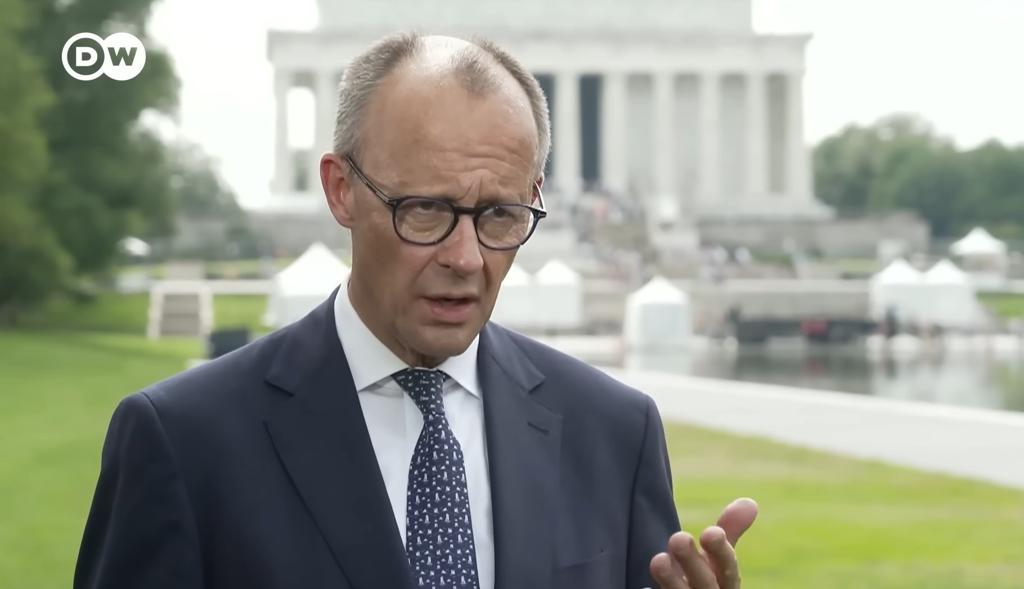
The announcement follows sharp criticism from German Chancellor Friedrich Merz, who has publicly remarked on the ineffectiveness of U.S. diplomatic efforts in the region. During a speech to students, Merz stated, "The Iranians are obviously very skilled at negotiating, or rather, very skillful at not negotiating." He expressed that the current situation has led to a sense of humiliation for the U.S. in its dealings with Iran, highlighting the challenges faced by American diplomacy.
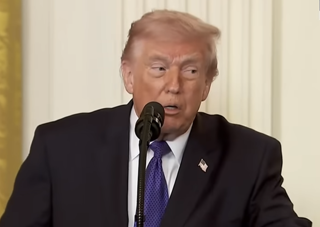
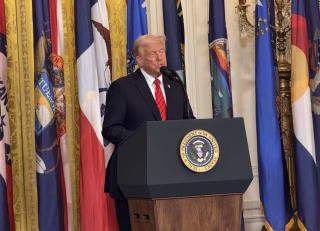
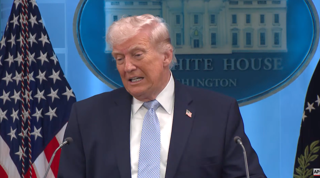
In response to Merz's comments, a War Department official described the Chancellor's rhetoric as "inappropriate and unhelpful." This official emphasized that President Trump is reacting to what he perceives as counterproductive remarks from European leaders. The official noted, "The President has been very clear about his frustrations about our allies’ rhetoric and failure to provide support for U.S. operations that benefit them."
Shift in U.S. Military Strategy
The troop withdrawal is part of a broader strategic reassessment of U.S. military presence in Europe. A senior War Department official indicated that the decision to pull back forces is intended to encourage European nations to take greater responsibility for their own defense. The official stated, "We’ve urged them to take a practical, business-like approach to building a Europe-led NATO — they didn’t take that advice, and this is the result."
The withdrawal will involve a Brigade Combat Team (BCT) and a long-range fires battalion that had been planned for deployment later this year. This reduction will bring the number of BCTs in Europe down from five to three, marking a significant shift following the Biden administration's increase in troop levels after the onset of the war in Ukraine. This strategic realignment reflects a desire to adapt U.S. military resources to better meet current global challenges.
European Energy Security Concerns
Germany's reliance on energy flows from the Strait of Hormuz has been a critical factor in the U.S. decision-making process regarding troop levels. The U.S. does not depend on these energy supplies to the same extent as European nations, which has led to calls for Germany and other European allies to enhance their military capabilities and readiness. The War Department official stated, "The Europeans have not stepped up when America needed them. This cannot be a one-way street." This sentiment reflects a growing concern that U.S. military resources are being stretched thin while European nations do not contribute proportionately to their own defense.
Future Implications
The planned withdrawal is expected to be completed within the next six to twelve months, following a thorough review of the Department of War's force posture in Europe. Officials involved in the decision emphasized that this move is not merely punitive but a strategic realignment to better address U.S. military needs across various theaters, including the Indo-Pacific region. As the U.S. recalibrates its military strategy, the implications for NATO and transatlantic relations remain to be seen.
While some may view this as a necessary step towards a more equitable burden-sharing arrangement, critics argue that it could undermine collective security efforts in Europe. Supporters of the withdrawal have not publicly addressed these concerns, leaving questions about the long-term impact on U.S.-European relations. The future of NATO and the security landscape in Europe may be significantly influenced by this decision, as both the U.S. and its allies navigate the complexities of modern geopolitical challenges.