The U.S. Department of War has reinstated only 86 military personnel out of 617 who applied to return after being discharged for refusing COVID-19 vaccinations, despite President Donald Trump’s order for full reinstatement ten months ago. This figure represents less than 0.1% of the military personnel who left due to the Biden administration's mandate, which has contributed to a significant personnel crisis within the armed forces.
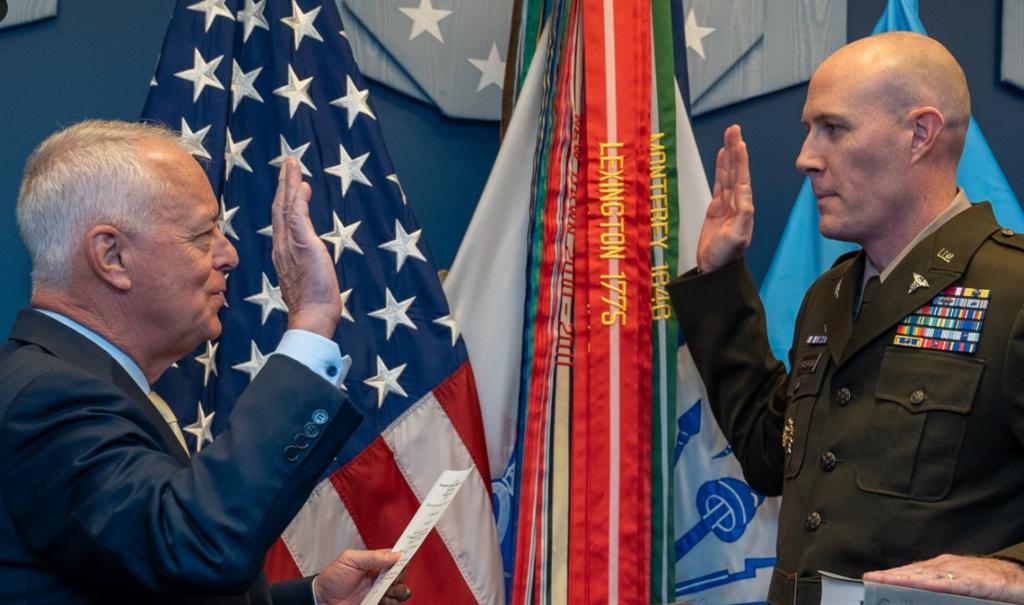
Undersecretary of War for Personnel and Readiness Anthony Tata stated that the department is working diligently to expedite the reinstatement process. "There’s a lot of moving pieces, there’s a lot of good people working very hard on this," Tata said in a recent interview. He emphasized the importance of treating each service member with dignity and noted that approval times for reinstatement applications have improved to two to three weeks after submission.
The reinstatement process has faced challenges, with many applicants reporting bureaucratic obstacles. Tata mentioned that the department is investigating the implementation of COVID policies during the Biden administration, which may lead to recommendations regarding personnel actions taken under those policies.
The reinstatement numbers reflect a broader trend, as the U.S. military has seen a decline of approximately 95,000 personnel from 2020 to 2023. While official counts indicate that around 8,400 left due to the vaccine mandate, many sources suggest that the actual number is higher, as some service members opted for early retirement or chose not to re-enlist rather than cite the mandate as their reason for leaving.
Tata highlighted that back pay for reinstated soldiers can range from $100,000 to $150,000, including promotions that would have been earned had they not been discharged. The reinstatement process is designed to allow those who provide a sworn statement that they left due to the mandate to re-enlist.
Despite the executive order aimed at facilitating these reinstatements, family members of affected service members have expressed frustration over the burdensome application process. The Pentagon’s bureaucracy has been criticized for slowing down the reinstatement efforts.
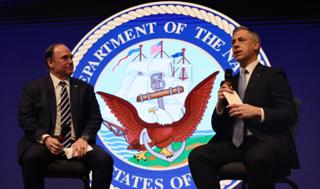
Navy Secretary John Phelan noted that the Navy is ahead of other branches in processing reinstatements, having reduced wait times significantly. However, the overall response to the reinstatement initiative has been slow, with only a small fraction of applicants successfully returning to service.
The reinstatement efforts have been complicated by the legacy of the vaccine mandate, which was announced by President Biden in August 2021 and officially ended with a defense spending bill in December 2022. Critics argue that the mandate led to a loss of personnel with strong ethical standards, as many conscientious objectors were discharged.
As the Department of War continues to navigate the complexities of reinstating discharged personnel, Tata reaffirmed the commitment to welcome back all who wish to return. "We intend to win, and winning means everybody that wants to come back in is able to come back, and is made whole," he stated.