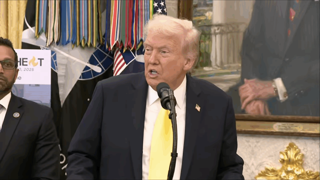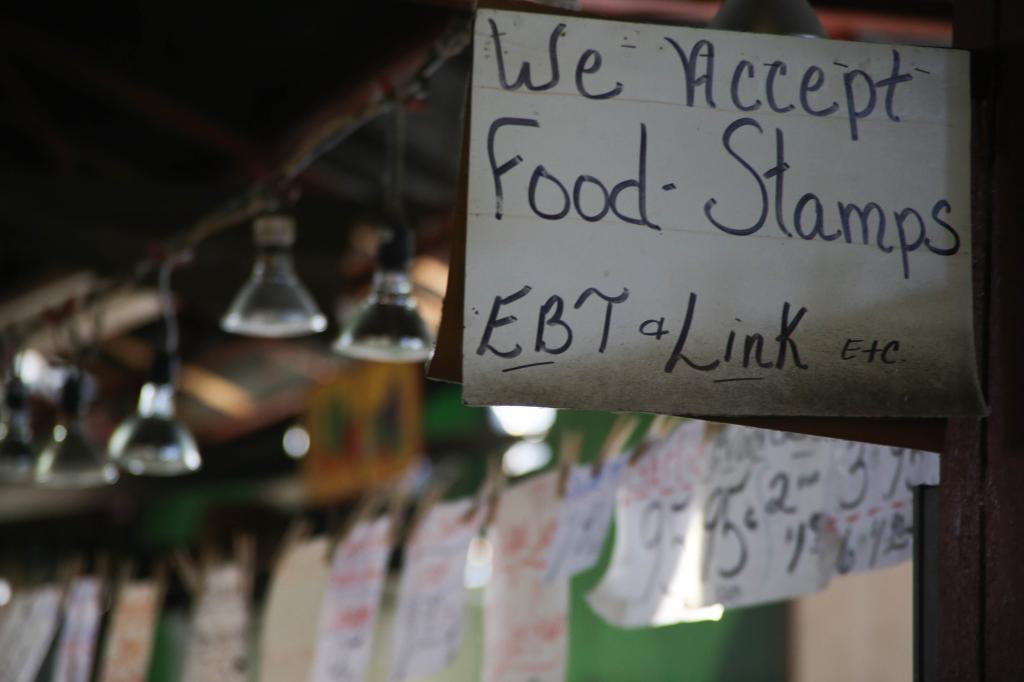
The Trump administration announced plans to halt food stamp funding to 21 Democrat-led states and Washington, D.C., due to their refusal to provide data on Supplemental Nutrition Assistance Program (SNAP) recipients. Agriculture Secretary Brooke Rollins stated during a cabinet meeting that 28 states and Guam, governed by Republicans, have complied with requests for data, including names and immigration statuses of recipients. In contrast, the Democrat-run states have opted not to comply, prompting the administration's decision to withhold federal funds.
Rollins emphasized the need for accountability, stating, "So as of next week, we have begun and will begin to stop moving federal funds into those states, until they comply and they tell us and allow us to partner with them to root out this fraud and to protect the American taxpayer." This move affects over 20 million SNAP recipients in the Democrat-led states, which account for nearly half of the total 42 million recipients nationwide.
The data request, made earlier this year, was met with legal action from the Democrat states, which argued that the request violated privacy laws. Critics of the lawsuit contend that it serves as a means to shield illegal immigrants from scrutiny and maintain access to public welfare. The Trump administration has asserted that the requested data is essential for addressing waste, fraud, and abuse within the SNAP program, and has suggested that it could also aid in immigration enforcement efforts.
SNAP has faced criticism for its vulnerability to fraud and misuse, with reports indicating that some recipients exploit the system. The program allows individuals to purchase a wide range of food items, including those that may not align with nutritional guidelines. Furthermore, statistics reveal that 59 percent of households with illegal immigrants utilize at least one welfare program, while 52 percent of legal immigrant households do the same.
The administration's stance aligns with a broader effort to ensure that public benefits do not incentivize illegal immigration. A memo issued earlier this year by U.S. Citizenship and Immigration Services (USCIS) reiterated the importance of adhering to laws regarding public charge determinations, which assess whether immigrants are likely to become dependent on public assistance.
In light of these developments, some advocates argue that the focus should extend beyond immigrants to address domestic abuse of welfare programs. Instances of individuals openly discussing plans to steal food if SNAP payments were disrupted during the fall government shutdown have raised concerns about a perceived entitlement culture among some recipients.
The announcement has sparked debate, with some Democrats arguing that cutting food assistance undermines support for vulnerable populations. Representative Chellie Pingree of Maine criticized the administration's approach, framing it as an attack on those in need. However, supporters of the administration's actions argue that accountability and integrity in welfare programs are essential for protecting taxpayer interests.
As the situation unfolds, the Trump administration remains committed to its goal of reforming welfare programs and ensuring that they serve their intended purpose without enabling fraud or illegal immigration. The outcome of this initiative may have significant implications for both the SNAP program and broader welfare policies in the United States.