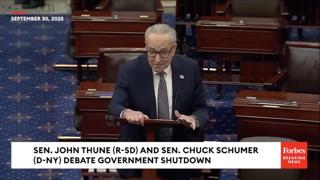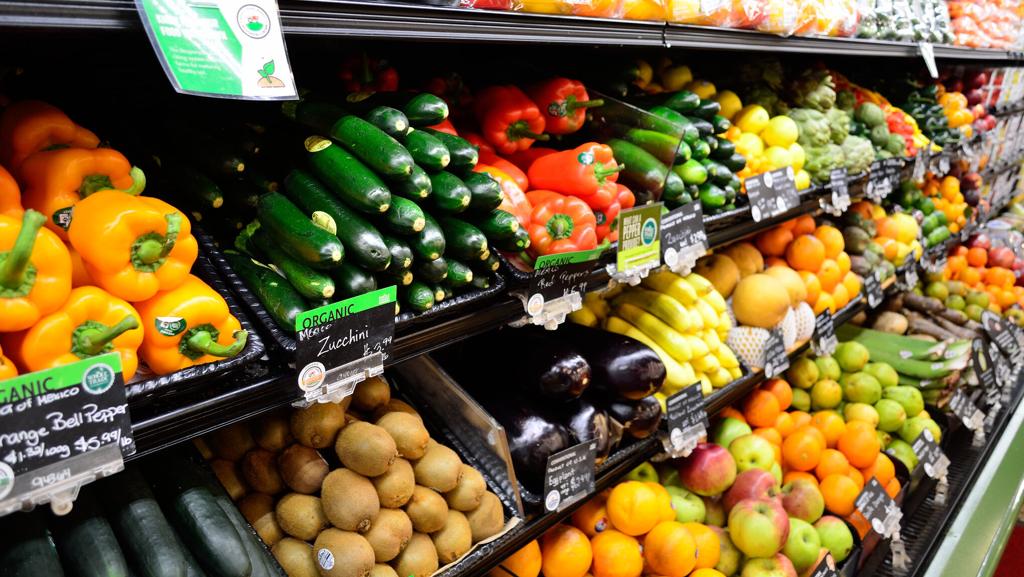
As the government shutdown continues, the Supplemental Nutrition Assistance Program (SNAP) is set to halt benefits, impacting millions of Americans. The shutdown, instigated by Democrats' refusal to vote on a clean continuing resolution, has led to widespread complaints about the lapse in coverage. However, a significant aspect of this situation is the impending loss of SNAP access for approximately 90,000 noncitizens, a consequence of recent legislative changes rather than the shutdown itself.
The One Big Beautiful Bill, passed by Republicans and signed into law by former President Donald Trump, has tightened SNAP eligibility for noncitizens. This change has sparked outrage among advocates for noncitizens who rely on taxpayer-funded assistance. According to KFF Health News, the bill removes SNAP eligibility for many refugees, asylum seekers, and other legal immigrants, resulting in an estimated 90,000 individuals losing access to the program each month.
Antoinette, a noncitizen from the Democratic Republic of Congo, expressed her concerns through a translator, stating, "I would not have the means to buy food. How am I going to manage?" Her situation highlights the challenges faced by noncitizens as they navigate the complexities of federal assistance programs.
KFF Health News reports that federal, state, and local spending on refugees and asylum seekers totaled $457.2 billion from 2005 to 2019. During this period, 21% of refugees and asylum seekers received SNAP benefits, compared to 15% of all U.S. residents. This disparity has raised questions about the sustainability and fairness of the program, particularly as more Americans become aware of its implications.
Critics argue that the SNAP program has been exploited, allowing noncitizens to benefit at the expense of American taxpayers. The current shutdown has intensified scrutiny of federal welfare programs, with many Americans questioning the effectiveness and efficiency of such systems.
While some media outlets and advocates portray the narrowing of noncitizen eligibility for SNAP as a cruel measure, others view it as a necessary step to address perceived abuses within the welfare system. The ongoing debate reflects broader concerns about immigration, welfare, and the responsibilities of taxpayers.
As the government shutdown persists, the future of SNAP and its beneficiaries remains uncertain. The situation underscores the complexities of welfare policy and the challenges faced by both citizens and noncitizens in accessing essential resources.
Key Facts:
- Approximately 90,000 noncitizens will lose SNAP access due to the One Big Beautiful Bill.
- Federal, state, and local spending on refugees and asylum seekers totaled $457.2 billion from 2005 to 2019.
- 21% of refugees and asylum seekers received SNAP benefits during that period, compared to 15% of all U.S. residents.