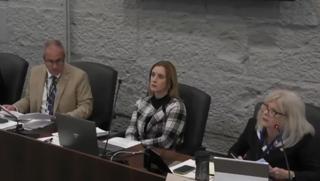
Tennessee Republicans have passed a modified version of a controversial bill that would permit public schools to request proof of legal presence from students. However, this new version lacks enforcement mechanisms that were present in the original proposal. The House approved the bill, known as SB 836, with a vote of 70-25 on Monday, and it is now set to move to the Senate for further consideration.
Tennessee House Passes Weaker Version of Bill on School Enrollment for Unauthorized Immigrants
The core tension surrounding this legislation lies in its shift from a more stringent original proposal that would have allowed schools to deny enrollment to students who are in the country illegally. Critics of the revised bill argue that it fails to adequately address the issue of unauthorized immigration in schools. In contrast, supporters contend that the new version strikes a balance between ensuring educational access and complying with legal requirements.
Background and Reactions
The newly passed version mandates that local education agencies (LEAs) and public charter schools must ask for documentation that proves a student's citizenship or legal immigration status. However, it notably does not include provisions that would allow schools to deny enrollment based on a lack of documentation, which was a significant aspect of the original bill. Instead, schools are now tasked with reporting data on students who cannot provide proof of legal status, but they are not required to identify personal information about those students.
The original SB 836 aimed to challenge the Supreme Court's 1982 Plyler v. Doe decision, which established that public schools cannot deny education to children based on their immigration status. The earlier version of the legislation included a provision that would allow schools to refuse enrollment to students who could not provide the required documentation. This provision has now been removed in the modified version of the bill.
William Lamberth, the Majority Leader and sponsor of the House bill, indicated that concerns over potential repercussions on federal education funding played a significant role in the decision to dilute the bill. He stated, "I could not get assurances from the Trump Education Department that the bill did not run afoul of federal law and jeopardize more than $1 billion in federal education funding." This uncertainty ultimately led to the removal of enforcement measures that would have allowed schools to bar unauthorized students from enrollment.
Supporters of the original bill expressed disappointment with the changes made to the legislation. They argue that the bill was necessary to uphold immigration laws and protect state resources. However, critics maintain that the revised bill does not adequately address the challenges posed by unauthorized immigration in schools and could lead to further legal complications in the future.
The House's decision to pass a weaker version of the bill reflects a broader debate within Tennessee regarding immigration policy and education. The state has faced scrutiny over its handling of unauthorized immigrants in public schools, with some arguing that the presence of students in the country illegally places an undue burden on educational resources. This ongoing debate highlights the complexities of balancing educational access with immigration enforcement.
Despite the changes made to the bill, Lamberth acknowledged that the state may still face legal challenges if the bill becomes law. He noted, "We are likely to face legal action over the measure should it be enacted into law." This statement underscores the contentious nature of immigration policy in education and the potential for ongoing litigation as stakeholders navigate these complex issues.
As the bill moves to the Senate, the debate over how to handle unauthorized immigrants in public schools is expected to continue. The outcome of this legislative process will likely influence not only local education policies but also the broader conversation about immigration reform in Tennessee and beyond. The diluted bill reflects a compromise aimed at addressing legal concerns while attempting to maintain some level of accountability for student enrollment. However, the lack of enforcement mechanisms raises questions about the effectiveness of the legislation in achieving its intended goals.