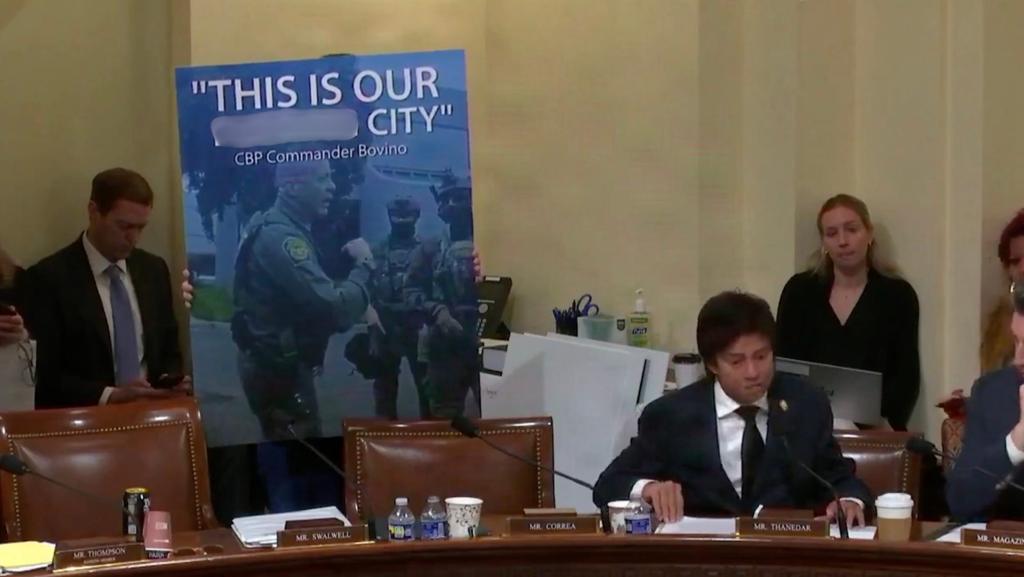
Rep. Shri Thanedar, a Democrat from Michigan, threatened to prosecute Customs and Border Protection Commissioner Rodney Scott during a recent congressional hearing, signaling a potential shift in political accountability should Democrats regain power. Thanedar's remarks underscore a growing tension surrounding immigration enforcement and the legal actions taken against political opponents.
During the hearing, Thanedar stated, "You better hope you get pardoned because you will be held accountable for the absolute disregard of the law your agencies have shown over the past year." His comments reflect a broader Democratic sentiment regarding accountability for actions taken during the Trump administration, particularly concerning immigration policies.
Thanedar's threat comes amid a backdrop of increasing scrutiny of U.S. immigration enforcement agencies. He has previously introduced legislation aimed at abolishing Immigration and Customs Enforcement (ICE), arguing that the agency has lost the trust of the American people. "Your agencies have lost the trust of the American people, with millions taking to the streets to protect the illegal actions of your agencies," he said.
Political Accountability and Threats
Thanedar is not alone in his sentiments. House Minority Leader Hakeem Jeffries has also warned that Democrats will pursue accountability for individuals associated with the Trump administration. In a CNN interview, Jeffries stated, "One thing to understand as people who are flirting with the Trump administration... the statute of limitations is five years. Donald Trump and this toxic administration will be long gone, but there will still be accountability to be had."
The implications of these statements raise concerns among Republicans and supporters of the Trump administration, who argue that such threats could politicize the legal system. Critics of Thanedar's remarks have pointed out the irony of a congressman accusing enforcement agencies of disregarding the law while ignoring the actions of people in the country illegally.
Broader Democratic Strategy
Recent discussions among Democrats indicate a coordinated strategy to hold Trump and his associates accountable if they regain control of Congress. During a House Judiciary Committee hearing, Rep. Hank Johnson inquired about the possibility of re-filing indictments against Trump after he leaves office, to which lawfare expert Jack Smith confirmed that it could be done. Johnson pressed, asking, "So they can be re-filed, and he can be prosecuted after he leaves office. Is that correct?"
Illinois Governor J.B. Pritzker has also weighed in, asserting that Trump is "not going to be president forever," suggesting that future prosecutions are likely. Additionally, Rep. Jasmine Crockett of Texas indicated that Democrats would target Trump’s family if they regain a House majority.
Left-leaning commentators have echoed these sentiments, with some suggesting that there should be significant consequences for the Trump administration's actions. Scott Galloway, co-host of the Pivot podcast, stated, "And to make it clear: once we’re back in power — which we will be — this is going to happen. And the statute of limitations on murder is never."
Concerns Over Political Repercussions
The rhetoric from Thanedar and other Democrats has raised alarms among Republicans, who argue that such threats could undermine the integrity of the legal system. They contend that using political power to target opponents could set a dangerous precedent. Critics argue that this approach could further polarize the political landscape and detract from effective governance.
Supporters of Thanedar and his colleagues argue that accountability is necessary for those who enforced controversial policies during the Trump administration. However, many Republicans have not publicly responded to these specific threats, leaving the debate largely one-sided at this point.
As the political landscape continues to evolve, the implications of these statements may resonate beyond the current congressional session, shaping the narrative as the 2026 elections approach. The potential for legal action against political opponents could become a focal point in the ongoing discussions surrounding immigration policy and enforcement.