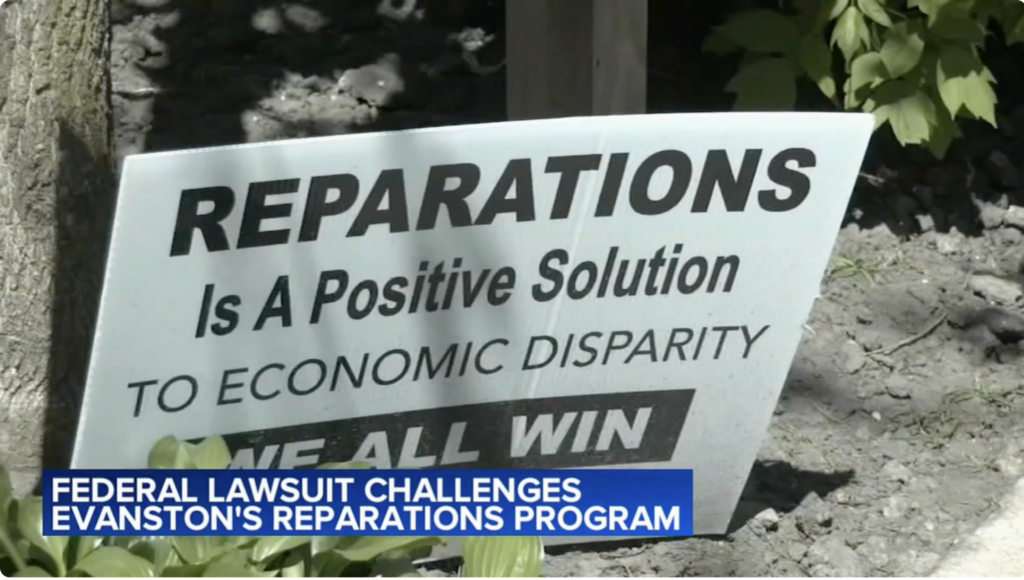
Evanston, Illinois, has become the first U.S. city to implement a reparations program, committing $20 million to compensate Black residents for historical injustices. The initiative, which began in 2019, has drawn criticism for its funding sources and the fairness of its distribution methods, raising questions about the implications for taxpayers and the legality of the program.
The core tension lies in whether the reparations initiative addresses historical wrongs or creates new forms of discrimination against taxpayers who are not beneficiaries of the program. Critics argue that the program unfairly burdens residents who did not commit the historical injustices it seeks to remedy.
In 2019, Evanston launched its reparations program as a response to its history of segregation and redlining. The city has allocated funds to provide payments to Black residents, with the latest round of disbursements set to issue $25,000 to 44 individuals, funded by the city’s real estate transfer tax. The city also collects revenue from cannabis sales, although that has not been sufficient to meet the program's financial needs.
Funding and Distribution Concerns
The Reparations Committee reported that nearly $6.36 million has been distributed to residents claiming to be descendants of Black Evanston residents who lived in the city between 1919 and 1969. Tashiek Kerr, assistant to the city manager, noted that the committee had engaged with a significant portion of the eligible population, stating, "These residents are related to Black Evanston residents who lived in Evanston from 1919 through 1969."
However, the program has faced scrutiny regarding its funding and the criteria for eligibility. Critics, including the group Judicial Watch, argue that the program violates the Equal Protection Clause of the 14th Amendment by discriminating based on race. The lawsuit claims that the reparations initiative does not require applicants to prove their claims of descent from victims of discrimination, potentially allowing for fraudulent applications.
Legal Challenges and Public Opinion
A federal judge recently allowed Judicial Watch's lawsuit to proceed, which contends that the reparations program is unconstitutional. The complaint highlights that remedying discrimination from decades ago does not constitute a compelling governmental interest. This legal challenge underscores the complexities surrounding reparations and their implementation at the municipal level.
Public opinion appears to be largely against taxpayer-funded reparations. Polls indicate that many Americans do not support using public funds to address historical grievances. Critics argue that the program resembles a form of wealth redistribution that does not effectively address the underlying issues of racial inequality.
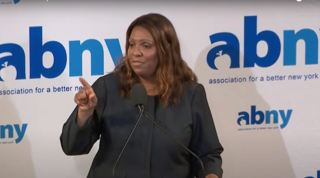
Robin Rue Simmons, chairwoman of the Reparations Committee, described the funding totals as "incredible," and the audience reportedly applauded the committee's efforts. However, she acknowledged that future disbursements are uncertain due to funding limitations, stating, "It is undetermined due to funding."
Broader Implications
The reparations movement has gained traction in several cities across the United States, with at least seven states and numerous municipalities establishing task forces or commissions to explore similar initiatives. However, the growing number of reparations programs has raised concerns about their sustainability and fairness.
John H. McWhorter, a linguist and cultural critic, has argued that such wealth redistribution schemes will not solve the societal problems they aim to address. He noted that funds allocated for reparations often do not reach the intended recipients and may perpetuate existing issues rather than resolve them.
As Evanston continues to navigate the complexities of its reparations program, the city faces significant challenges ahead, including legal scrutiny and public dissent. While supporters of the initiative argue it is a necessary step toward addressing historical injustices, critics maintain that it creates new inequities and burdens taxpayers who are not responsible for past wrongs.