The Supreme Court recently issued a ruling in Louisiana v. Callais, which concluded that the state’s congressional map constituted an unconstitutional racial gerrymander. Critics, including The Federalist’s Mollie Hemingway, allege that the court's liberal justices deliberately delayed the ruling to hinder Republican efforts ahead of the midterm elections.
The core tension lies in the accusation that the justices are prioritizing political strategy over judicial efficiency, potentially impacting the electoral landscape. This claim raises questions about the integrity of the judicial process and the motivations behind the timing of court decisions.
The case revolved around a lawsuit led by the NAACP, which argued that Louisiana needed to create a second majority-black congressional district. The plaintiffs contended that having only one majority-black district violated Section 2 of the Voting Rights Act of 1965. Critics, however, argue that such mandates have not yielded positive results, citing a history of underperformance among some elected officials from these districts.
Key Details
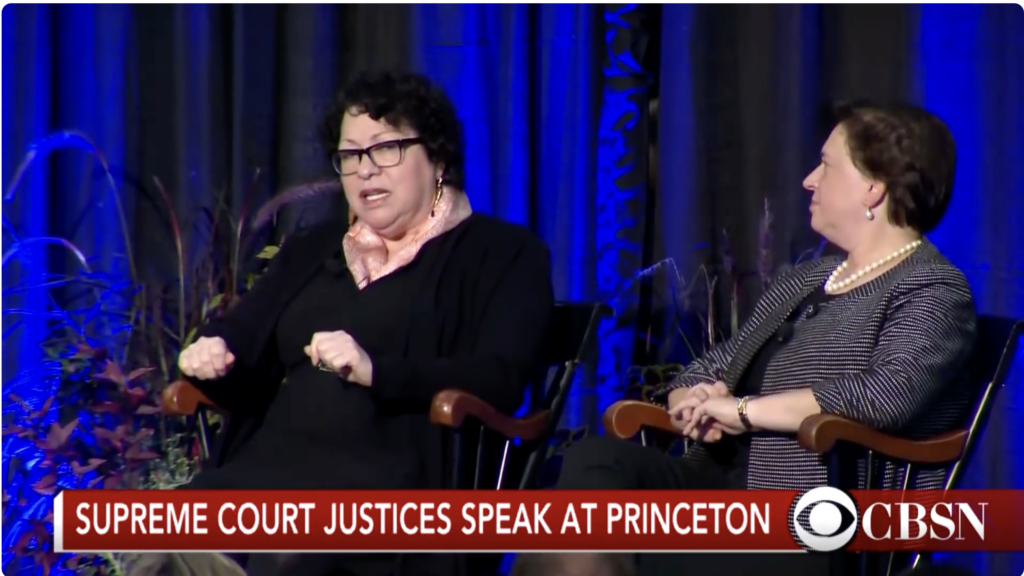
Hemingway, in her book on Justice Samuel Alito, claims that the delay in releasing the ruling was orchestrated by Justice Elena Kagan and her liberal colleagues. She noted, "They’ve had nothing but time on this. And I think it does confirm that reporting for this case that they were slow-walking."
Background and Reactions
The ruling, which was initially ready months ago, was delayed until late April 2026, despite having heard oral arguments in March 2025 and rehearing them in October. Critics assert that the delay was a tactical move to prevent state legislatures from redrawing their maps in time for the elections, thus benefiting Democrats.
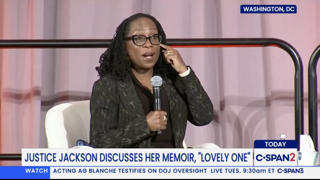
Justice Ketanji Brown Jackson, in her dissent, accused the conservative majority of having partisan motives, arguing that the timing of the ruling was detrimental to the Democrats' electoral strategy. Alito responded to Jackson's claims, calling them "groundless and utterly irresponsible," and emphasized that the constitutional questions had been settled months prior.
The political implications of the ruling are significant, as it affects the balance of power in Louisiana's congressional delegation. Alito's majority opinion stated that the revised map was unconstitutional, siding with residents like Phillip “Bert” Callais, who argued against the racial gerrymandering.
Hemingway highlighted the political savvy of Kagan, suggesting that her actions were calculated to influence the electoral process. "Kagan is far and away the most political of the liberal justices," she stated, indicating that Kagan's background in Democratic politics informs her judicial approach.
The delay in the ruling has drawn criticism from various quarters, with some commentators noting that the liberal justices' actions could undermine public trust in the Court. The Wall Street Journal’s editorial board remarked on the implications of the timing, suggesting that the dissenting justices were aware of the political stakes involved.
Despite the criticism, supporters of the liberal justices have not publicly responded to the allegations of political maneuvering. The lack of a counter-narrative from the liberal wing raises further questions about the motivations behind their actions.
As the political landscape evolves, the implications of this ruling and the surrounding controversy will likely continue to be a focal point in discussions about judicial impartiality and the role of the Supreme Court in American politics. The interplay between judicial decisions and political outcomes remains a contentious issue, with both sides of the aisle watching closely as the Court navigates these complex waters.