A recent report claims that liberal justices on the Supreme Court delayed the release of the Dobbs v. Jackson Women’s Health Organization decision, which overturned Roe v. Wade, despite warnings about heightened security risks to their conservative colleagues. The delay reportedly extended the time that justices faced threats, including assassination attempts, following the leak of the draft ruling.
Explainer The Complex Legal Landscape of Abortion: State Laws, Federal Shifts, and Cultural Battles
The core tension revolves around the balance between judicial process and the safety of justices, particularly in light of significant public backlash against the ruling. Critics argue that the delay by the liberal justices exacerbated the security risks faced by their conservative counterparts, while supporters of the justices maintain that the integrity of the dissenting opinions must be preserved.
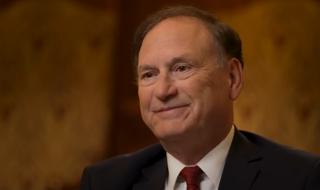
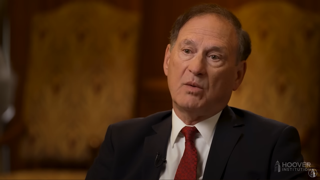
According to Mollie Hemingway’s new book, "Alito: The Justice Who Reshaped the Supreme Court and Restored the Constitution," Justice Samuel Alito, who authored the Dobbs opinion, urged his liberal colleagues to prioritize completing their dissenting opinions due to the security threats posed by the leak. Hemingway writes, "Alito asked the dissenters to make the completion of their dissents their priority because delay of the decision was a security threat."
Escalating Threats
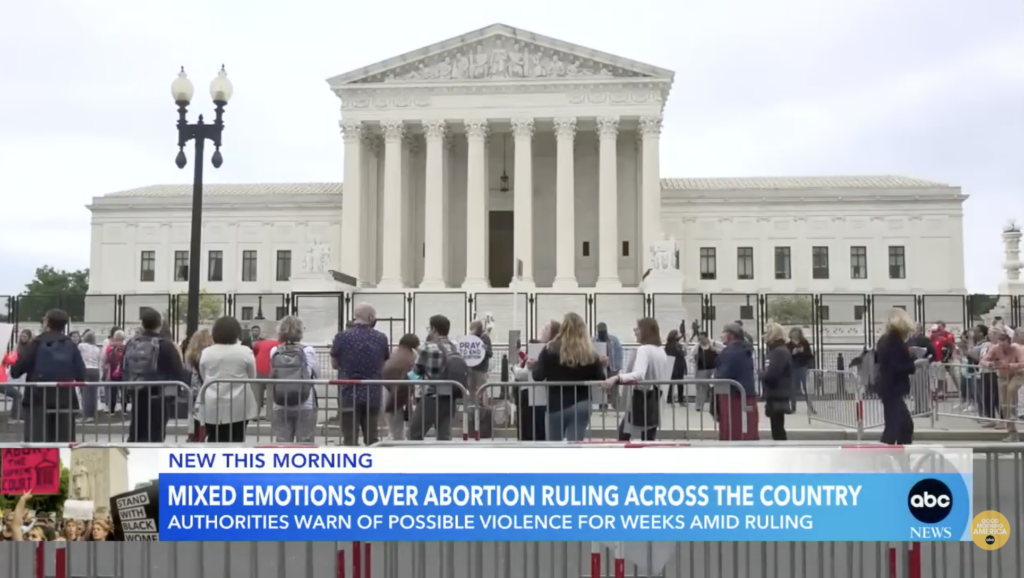
The situation escalated after Politico published the leaked draft on May 2, 2022, igniting protests and violence from abortion rights supporters. In the days following the leak, numerous pro-life organizations faced vandalism, and a firebombing incident occurred at the Wisconsin Family Action headquarters. Hemingway notes that the leak created a "serious security risk" for the justices, as the potential for violence increased dramatically.
One notable incident involved Nicholas Roske, who was arrested outside Justice Brett Kavanaugh’s home with a firearm and other weapons, reportedly intending to kill a justice to prevent the overturning of Roe v. Wade. Hemingway emphasizes that the justices were aware of the risks, stating, "Everyone knew that the leak posed a serious security risk for justices."
Internal Court Dynamics
The report also highlights internal tensions among the justices. Hemingway describes a confrontation between Justices Elena Kagan and Stephen Breyer, where Kagan allegedly expressed her frustration over the delay in dissenting opinions. According to Hemingway, Kagan "screamed so loudly, observers noted, that the ‘wall was shaking.’" This incident underscores the contentious atmosphere within the court during a critical period.
Despite the urgent pleas from Alito and the conservative justices, the liberal justices reportedly did not provide a timeline for their dissenting opinions. This has raised questions about their commitment to addressing the security concerns of their colleagues.
Government Response
The Biden administration's response to the threats faced by the justices has also drawn criticism. White House Press Secretary Jennifer Psaki characterized the protests as peaceful, stating, "I know that there’s an outrage right now, I guess, about protests that have been peaceful to date." Meanwhile, Attorney General Merrick Garland ordered U.S. Marshals to provide security for the justices but faced backlash for not enforcing laws against protests near justices' homes.
Supporters of the liberal justices argue that dissenting opinions require thorough consideration and cannot be rushed, regardless of external pressures. However, the report raises concerns about the implications of such delays on the safety of the justices involved.
The Dobbs decision was ultimately released 53 days after the leak, a timeline that some critics believe could have been shortened had the liberal justices prioritized their work. Alito, in his opinion, stated, "We do not pretend to know how our political system or society will respond to today’s decision overruling Roe and Casey."
As the court navigates these complex dynamics, the implications of the Dobbs ruling continue to resonate across the nation, influencing public discourse and legal battles surrounding abortion rights. The report serves as a reminder of the challenges faced by the judiciary in a highly polarized environment, where the safety of justices may be compromised by political tensions.