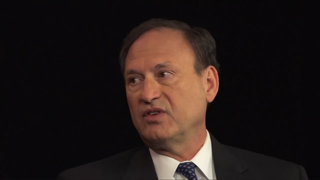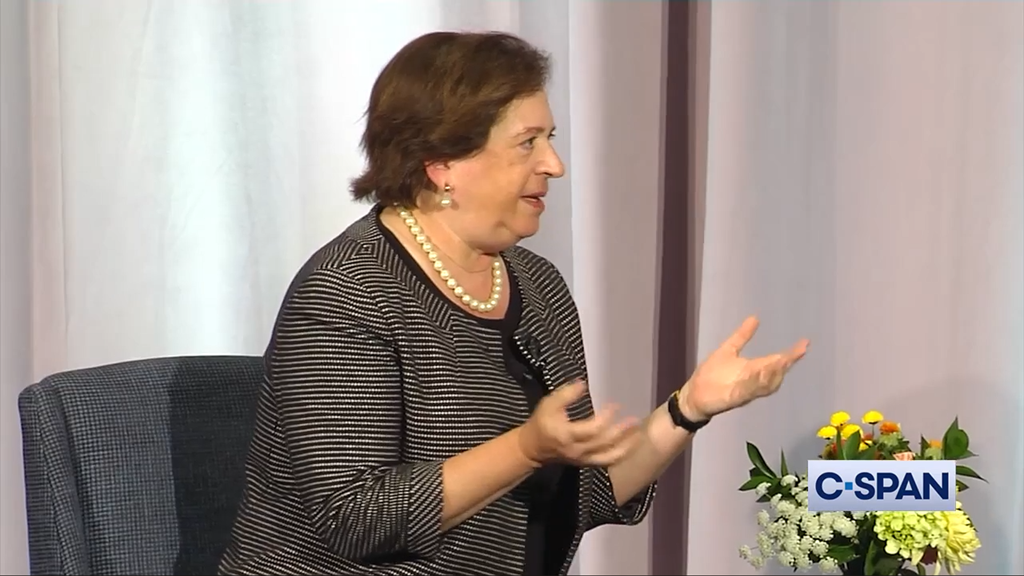
The release of the Dobbs decision, which overturned Roe v. Wade, was delayed due to a footnote included in the dissent by Justices Elena Kagan, Stephen Breyer, and Sonia Sotomayor, according to a new book by Mollie Hemingway. Justice Samuel Alito warned that postponing the decision posed a security threat, particularly in light of threats against conservative justices, including an attempted assassination on Justice Brett Kavanaugh.
Explainer The Complex Legal Landscape of Abortion: State Laws, Federal Shifts, and Cultural Battles
The core tension revolves around the balance between judicial processes and the safety of justices, as the dissenting justices' actions reportedly held up the release of a significant ruling amid heightened security concerns. The majority opinion had been ready since February 2022, but the dissent lagged, preventing the court from issuing its decision until June 24, 2022, the day after the court released another opinion in a separate case.
Hemingway's book, "Alito: The Justice Who Reshaped the Supreme Court and Restored the Constitution," details the timeline leading to the Dobbs decision. During a meeting on May 12, 2022, justices graded the progress of pending opinions, with Dobbs receiving a “C” for being “not near completion.” Despite the majority opinion being finalized months earlier, the dissenting justices did not provide a completion date when asked by Justice Neil Gorsuch.
Dissenting Justices' Delays
The dissenting justices eventually agreed to finalize their opinion by June 1, but they sought an extension for their majority opinions in other cases until June 15. The delays continued, and when the dissent was finally submitted, it included a footnote referencing the upcoming decision in New York State Rifle & Pistol Association v. Bruen. Critics argue that this citation was unnecessary for the dissent's analysis of abortion regulation, suggesting it was included to delay the Dobbs decision further.
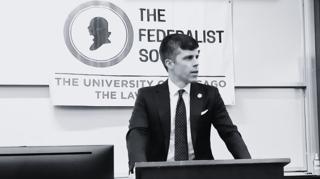
Hemingway notes that the inclusion of the footnote effectively prevented the release of Dobbs until after Bruen was decided. This timing raised concerns among some observers about the motivations behind the dissenters' actions. "While pro-abortion zealots were calling for heads to roll, the court’s liberal minority did nothing to, as the left likes to say with empty virtue, ‘turn down the temperature,’" said Matt Kittle of The Federalist.
Security Concerns
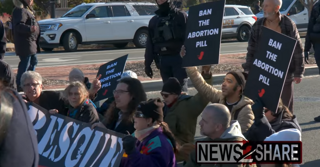
The security threats facing the justices were significant, with Alito emphasizing the potential dangers of delaying the decision. The attempted assassination of Kavanaugh highlighted the risks involved, raising questions about the responsibilities of justices in ensuring their safety and the integrity of the court's decisions. Critics of the dissenting justices argue that their actions contributed to an environment of heightened tension and insecurity.
Supporters of the dissenting justices have not publicly responded to these criticisms. Legal experts note that while judicial independence is crucial, the safety of justices should also be a priority, suggesting a need for a balance between these competing interests.
The implications of this delay extend beyond the court's internal dynamics, affecting public perception of the judiciary's ability to function under pressure. As the Dobbs decision reshaped the legal landscape regarding abortion, the circumstances surrounding its release may influence future discussions about judicial accountability and security.
In summary, the revelations from Hemingway's book underscore the complexities of the judicial process, particularly in high-stakes cases like Dobbs. The interplay between dissenting opinions and the safety of justices raises important questions about the responsibilities of the judiciary in a politically charged environment.