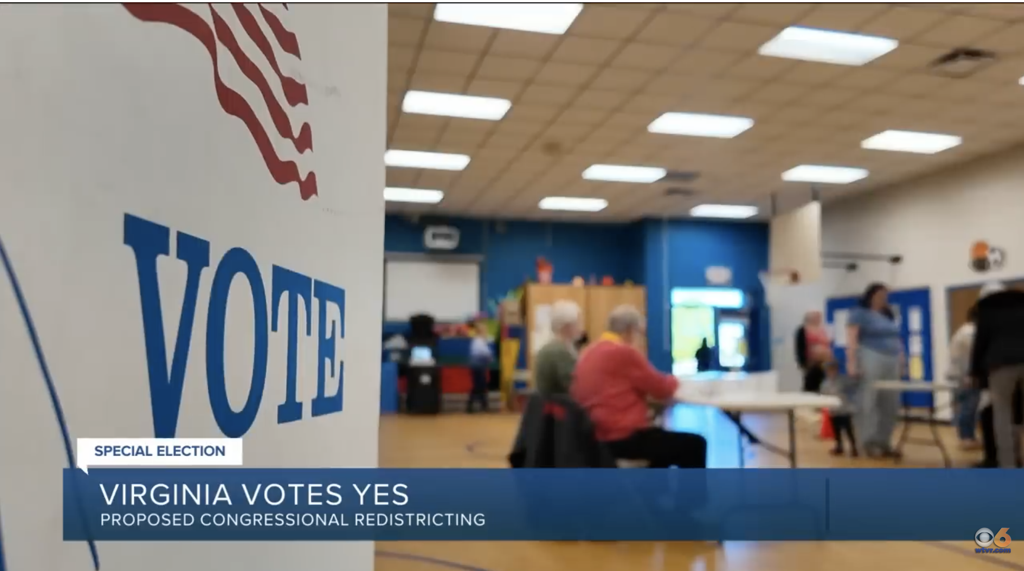
Republicans in Virginia are expressing frustration over the national party's lack of financial support following a narrow defeat in a recent referendum that could significantly impact congressional representation. The referendum, which allows Democrats to redraw congressional maps, passed by a margin of just 3 percentage points, raising concerns among local GOP leaders about the effectiveness of national strategies in state elections.
Explainer Navigating Virginia's Electoral Landscape: Key Issues and Reforms
The stakes are high as the outcome of the referendum could enable Democrats to increase their representation in the U.S. House from six to ten seats, complicating Republican efforts to regain control in future elections. Critics argue that the national Republican Party failed to adequately invest in local campaigns, leaving Virginia Republicans at a disadvantage.
Matthew Hurtt, chairman of the Arlington County Republican Party, stated, "This is a clear-cut case in my mind of not enough interest at the national level on this race." He emphasized that while local GOP committees mobilized resources effectively, they lacked the financial backing from national organizations that could have made a difference in the outcome.
Funding Disparities
Despite the Republican National Committee (RNC) reporting significant fundraising successes, local Republicans claim that little of that money was directed toward the Virginia referendum. The RNC has not disclosed specific details about its financial contributions to the state, leading to skepticism among local leaders. An RNC official defended the committee's efforts, stating that they made strategic investments in election integrity and voter outreach, but did not provide specifics when pressed for details.
Richard Hudson, chairman of the National Republican Congressional Committee (NRCC), responded to the criticism by asserting that the NRCC made substantial investments in the campaign. "Our team collectively made significant investments and we won half the vote," Hudson said, although he did not specify the amount spent.
Local Efforts and National Disconnect
Local Republican leaders praised the Virginia GOP for its coordinated campaign efforts, which they described as the most organized in years. However, they lamented the lack of support from national fundraising operations. Hurtt noted, "All of these fundraising operations touting how much they raised, but none of them spent any money in Virginia."
The funding gap was stark, with Democrats reportedly raising over three times as much as Republicans for the referendum campaign. Critics within the party are questioning the prioritization of resources, particularly as significant funds have been allocated to other races, such as the Texas Senate campaign.
Andrew Kolvet, an executive with Turning Point USA, highlighted the need for the Republican Party to invest more in grassroots efforts. He stated, "Until our side invests the same amount of money and enthusiasm in GOTV, in canvassing, and voter relationships, we’re going to come up just short."
Legal Challenges Ahead
In a related development, a Tazewell Circuit Court judge ruled that the redistricting referendum was unconstitutional, blocking its certification. This ruling is expected to be reviewed by the Virginia Supreme Court, adding another layer of complexity to the ongoing debate over the state's electoral maps.
RNC Chairman Joe Gruters called the court's decision a "major victory for Virginians," asserting that the party will continue to fight for fair representation. However, the narrow defeat in the referendum has raised questions about the effectiveness of the party's strategies and its ability to mobilize resources in critical races.
As the Virginia GOP reflects on the recent loss, local leaders are calling for a reevaluation of national strategies and a more robust investment in state-level campaigns. The outcome of the referendum and the subsequent legal challenges could have lasting implications for both parties as they prepare for future elections in Virginia and beyond.