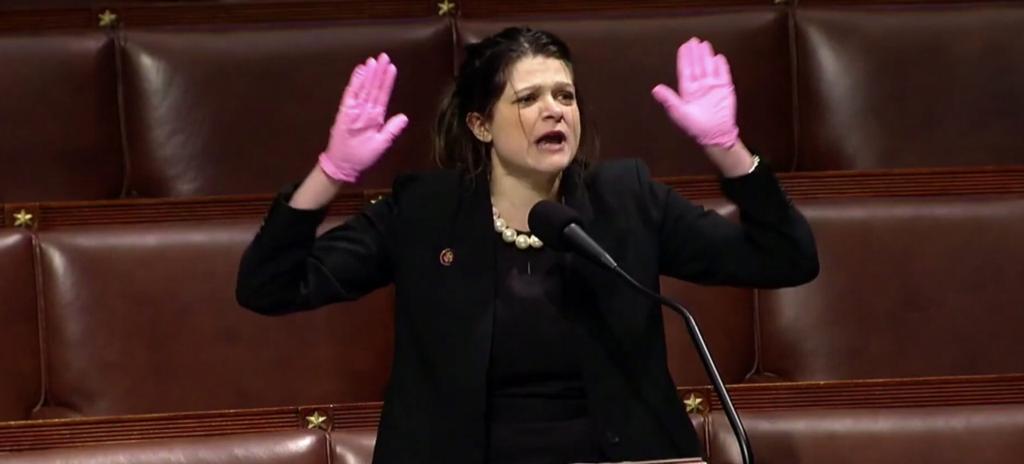
Mallory McMorrow, a Michigan state senator, made a striking entrance at the state Democratic Party convention over the weekend. She was accompanied by a band and large cut-out images of her own face. This performance, which some are dubbing "McMentum," has drawn considerable attention as she campaigns for a seat in the U.S. Senate. Her unconventional approach has sparked debate about the effectiveness of such tactics in conveying a political message. Critics argue that it reflects a lack of substance in Democratic politics. One of McMorrow's opponents in the Democratic primary remarked, "That’s what you get when you don’t have a message."
McMorrow's theatrical style comes at a time when California, where she has garnered some attention, faces significant challenges. These challenges include financial instability, homelessness, and social services fraud. Critics argue that the focus on performance over policy is emblematic of a broader trend within the Democratic Party, which may be prioritizing style over substance.
The State of California
California is grappling with a range of pressing issues, including a rapidly deteriorating economy and increasing social unrest. Despite these challenges, some state legislators appear to prioritize symbolic actions over substantive solutions. For instance, California Senator Scott Wiener has recently focused on a coffee shop's decision to stop displaying pride flags. This has drawn criticism for diverting attention from more pressing state concerns, such as the economy and public safety.
Wiener, known for his controversial legislation regarding sex offender registration, has faced backlash for what some see as misplaced priorities. A critic commented, "What important work the California legislature does," highlighting the disconnect between legislative actions and the state's urgent needs. This situation illustrates a growing concern among constituents regarding the effectiveness of their elected officials in addressing critical issues.
The Culture of Performance
The trend of prioritizing performance in politics has raised questions about the seriousness of political discourse. Critics argue that the Democratic Party is increasingly characterized by a culture that favors theatricality over substantive debate. This shift is illustrated by recent interactions in Congress, where some representatives have posed questions that seem more focused on spectacle than on addressing critical issues.
For example, during a recent forum with the Secretary of Health and Human Services, Representative Haley Stevens posed questions that critics deemed trivial. The emphasis on performance rather than policy solutions has led to concerns about the effectiveness of Democratic leadership in addressing the needs of constituents. This trend raises the question of whether such tactics can genuinely resonate with voters who are looking for real solutions to their problems.
Supporters of McMorrow and similar candidates argue that engaging voters through creative and memorable tactics can help energize the base and attract attention to important issues. They believe that innovative approaches can break through the noise of traditional political messaging. However, the effectiveness of such strategies in the long term remains to be seen, especially as the party navigates significant challenges both in California and nationally.
Balancing Perspectives
While critics of McMorrow's approach emphasize the need for a more serious political discourse, supporters contend that her style resonates with younger voters who may feel disconnected from traditional political messaging. The debate over the effectiveness of performance in politics continues, with no clear consensus on the best approach to engage voters and address pressing issues. This ongoing discussion reflects broader concerns about the direction of the Democratic Party and its ability to connect with constituents.
As McMorrow continues her campaign, the tension between performance and policy will likely remain a focal point in discussions about the future of the Democratic Party. The outcome of her Senate bid could provide insights into whether voters prioritize substance or style in their political choices. Ultimately, the results of her campaign may influence how future candidates approach their messaging and engagement strategies in an evolving political landscape.