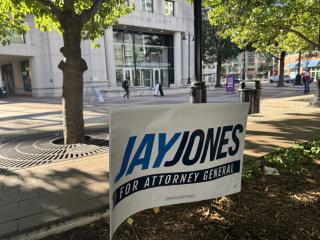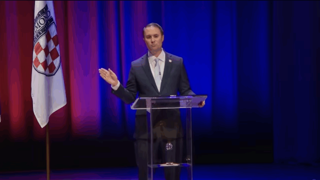
Following recent election results, concerns are mounting within the Democratic Party regarding the rise of extremism among its candidates. Notably, Jay Jones, the newly elected Attorney General of Virginia, has faced scrutiny after sending text messages expressing a desire for the death of a Republican colleague's children. Despite this, prominent Democrats, including Virginia gubernatorial candidate Abigail Spanberger and Senator Tim Kaine, have continued to support him.
Explainer Navigating Virginia's Electoral Landscape: Key Issues and Reforms
Jones's election victory raises questions about voter awareness in Northern Virginia, a politically engaged area. Critics argue that voters had no justification for supporting a candidate with such controversial behavior, especially against a moderate Republican incumbent.
Tré Easton of the Searchlight Institute commented on the situation, stating, "I don’t think VA Dems should seek Jay Jones’s resignation. Voters were fully aware of the facts and elected him." Easton suggested that the current political climate, influenced by Donald Trump, has lowered the standards for disqualifying behavior among candidates.
However, some analysts argue that attributing this extremism solely to Trump overlooks deeper issues within the Democratic Party. The narrative that Trump has radicalized the Republican electorate is disputed, with evidence suggesting that Republican voters have consistently rejected candidates with disqualifying behavior, as seen in the cases of North Carolina gubernatorial candidate Mark Robinson and Alabama Senate candidate Roy Moore.
The rise of extreme rhetoric is not limited to Virginia. In Coeur d’Alene, Idaho, the newly elected mayor has made inflammatory remarks about Christian conservatives, indicating a broader trend of aggressive language among some Democratic officials. This has led to concerns about the party's direction and its ability to appeal to moderate voters.
Critics of the Democratic Party argue that the acceptance of extreme views is a long-standing issue, exacerbated by a lack of accountability for members who engage in controversial behavior. The party's history of defending figures like former President Bill Clinton, despite numerous scandals, raises questions about its commitment to moral standards.
The Searchlight Institute aims to promote a more moderate Democratic agenda, but analysts suggest that for this to be effective, the party must confront its internal issues directly. The acceptance of extreme rhetoric and behavior among candidates could alienate potential voters and hinder the party's ability to build coalitions.
As the Democratic Party grapples with these challenges, the implications of recent elections may shape its future direction. The ongoing debate about extremism and accountability within the party will likely continue to influence voter perceptions and electoral outcomes in the coming years.