California Secretary of State Shirley Weber announced that preliminary results from the state’s primary elections indicate a turnout of less than 25 percent, with many ballots still uncounted days after Election Night. This delay in results has sparked criticism regarding the efficiency of the electoral process in the state, with some observers likening the situation to elections in less developed regions.
Explainer Public Safety and Crime Trends in America: Understanding the Landscape
The low voter turnout and the apparent dominance of Democratic candidates in the primaries raise questions about accountability and governance in California. Critics argue that the political landscape allows incumbents to remain in power despite significant challenges facing their constituents, including rising crime and homelessness.
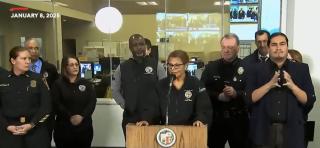
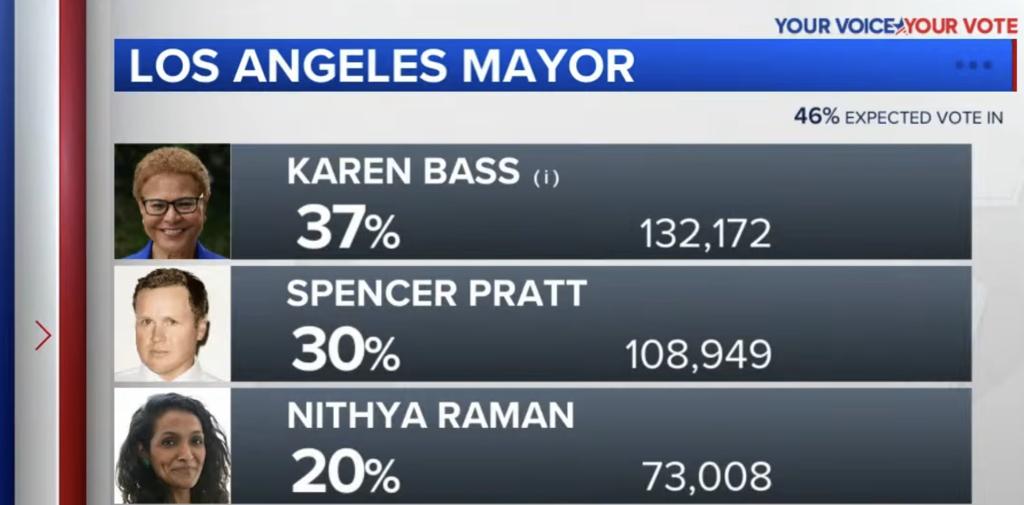
In the Los Angeles mayoral race, incumbent Karen Bass appears set to advance to the general election with approximately 60 percent of the vote, despite ongoing issues in the city, including a surge in violence and drug use. Bass faced backlash for her absence during a wildfire crisis that affected the city, prompting questions about her leadership. "Do you owe citizens an apology for being absent whilst their homes were burning?" asked Sky News correspondent David Blevins, highlighting the disconnect between elected officials and the public's concerns.
Key Details
The Los Angeles County Board of Supervisors also saw significant victories for Democratic candidates, including Lindsey P. Horvath, who will not face a runoff in November. Critics have labeled the board as increasingly left-leaning, with some members advocating for policies perceived as out of touch with the needs of the community.
Background and Reactions
In the sheriff's race, incumbent Robert Luna is expected to advance despite criticisms regarding the department's staffing and operational challenges. The Los Angeles County Sheriff’s Department has faced scrutiny for its handling of crime and public safety, with reports of understaffing and excessive overtime leading to concerns about officer fatigue. Despite these issues, Luna's support appears strong, reflecting a broader trend of voters remaining loyal to Democratic candidates.
State Senator Scott Wiener, known for his controversial positions on various social issues, is likely to win the seat vacated by Nancy Pelosi. His campaign has drawn criticism for its focus on progressive policies that some argue undermine public safety. Supporters, however, contend that his approach addresses systemic issues within the state.
The primary elections have also indicated a potential for increased Democratic supermajorities in the state legislature, with several incumbents facing little opposition. Corey Jackson, who authored California’s “anti-book ban” bill, is on track to secure a comfortable victory, further solidifying the Democratic hold on legislative power.
Republicans, while facing challenges in the gubernatorial race, are finding some solace in Steve Hilton's lead over incumbent Xavier Becerra. However, Hilton's support remains significantly lower than the combined votes of Becerra and other Democratic candidates, indicating a tough road ahead for the GOP in November.
As the counting of ballots continues, the implications of these primary results may shape California's political landscape for years to come. Observers are calling for a reassessment of voter engagement strategies and electoral processes to address the apparent disconnection between elected officials and their constituents.
In a state facing numerous challenges, the primary elections have underscored the need for accountability and responsiveness from elected leaders. While some voters express dissatisfaction with the current state of governance, others remain committed to the Democratic Party, suggesting a complex and evolving political environment in California.