An election watchdog group has flagged 3,674 duplicate voter registration records in North Carolina, filing a formal complaint with state officials just weeks before a closely watched U.S. Senate race. The discovery has raised fresh concerns about the accuracy of the state’s voter rolls at a time when control of the Senate could hinge on the outcome in North Carolina.
Explainer Election Integrity in America: Safeguarding Voter Trust and Ballot Security
The Public Interest Legal Foundation (PILF), a nonprofit focused on election integrity, submitted its complaint to the North Carolina State Board of Elections. According to PILF, duplicate registrations were identified in 94 of the state’s 100 counties. The group’s review began with the 10 largest counties, where it initially found 1,200 duplicate records earlier in the month. The search was then expanded statewide, leading to the identification of thousands more potentially problematic records.
Details of the Complaint
PILF’s complaint centers on the requirements of the 2002 federal Help America Vote Act. This law mandates that states receiving federal election funds must maintain a uniform, centralized, and computerized statewide voter registration list. The list is required to include every legally registered voter and be administered at the state level to ensure accuracy and prevent duplicate entries.
According to PILF, duplicate records are not limited to exact name matches. The group’s methodology also flagged registrations with slight variations in names or the use of nicknames, as long as the address and birth date matched. While PILF acknowledges that duplicate registrations do not necessarily mean individuals are voting more than once, the group argues that such records could create opportunities for double voting or other forms of election fraud.
The complaint highlights the potential impact of even a small number of duplicate registrations. Since 2015, North Carolina has seen 30 elections decided by a single vote or ending in a tie. Most of these close contests occurred at the local level, but three involved state legislative races. The group contends that in such tight races, the integrity of the voter rolls is especially critical.
"North Carolina is not complying with the requirement to eliminate duplicate names from the official list of eligible voters. Absent relief, the November 3, 2026, General Election in North Carolina will be conducted using an inaccurate voter registration list."
— Public Interest Legal Foundation, complaint
State Response and Ongoing Efforts
PILF said it first notified the state board in September about the initial discovery of 1,200 duplicate records but did not receive a response. The North Carolina State Board of Elections has not commented publicly on the latest findings or responded to an inquiry from the Daily Signal regarding the complaint.
However, the state has taken steps to address voter registration issues. In August, the board launched the "Registration Repair Project," an initiative aimed at collecting missing identification numbers from voters whose records lack a driver’s license, DMV-issued ID, or Social Security number. As part of this effort, letters were sent to 82,000 registered voters requesting the missing information, in an attempt to improve the accuracy and completeness of the voter database.
Amanda Fischer, communications director for PILF, acknowledged the state’s recent efforts to clean up its voter rolls. "North Carolina has made significant progress in cleaning up its voter rolls, and the board deserves credit for removing thousands of duplicate registrations. PILF’s expanded review shows that more work is needed. Accurate voter rolls are vital to public confidence in elections," Fischer said.
Context: High Stakes in Senate Race
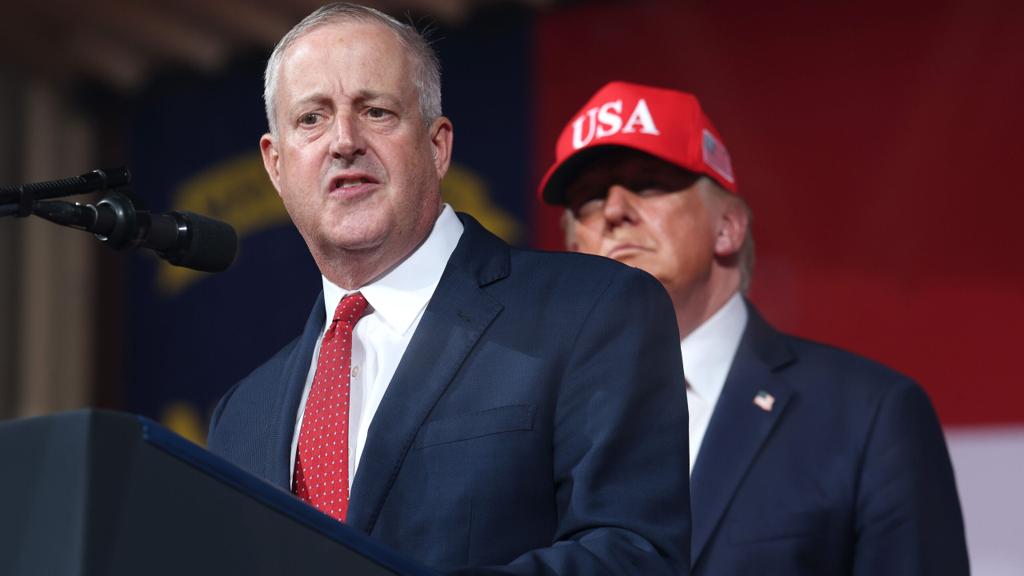
The timing of PILF’s findings comes as North Carolina prepares for a high-profile Senate contest. The race is set to feature former Democratic Governor Roy Cooper and former Republican National Committee Chairman Michael Whatley. With national attention focused on the state, the contest is widely considered one of the most competitive in the country and could determine which party controls the U.S. Senate after the November 2026 elections.
While PILF’s findings have drawn attention to potential vulnerabilities in North Carolina’s voter registration system, the state board has not yet publicly addressed the specific allegations raised in the complaint. The issue of voter roll accuracy is likely to remain in the spotlight as the election approaches, with both state officials and outside groups continuing to scrutinize the integrity of the process.