Election Integrity in America: Safeguarding Voter Trust and Ballot Security
Explore the critical measures and debates surrounding election integrity, including voter ID laws and citizenship verification, shaping America's democratic processes.
Additional reporting by Alex Monroe, Liam Walker
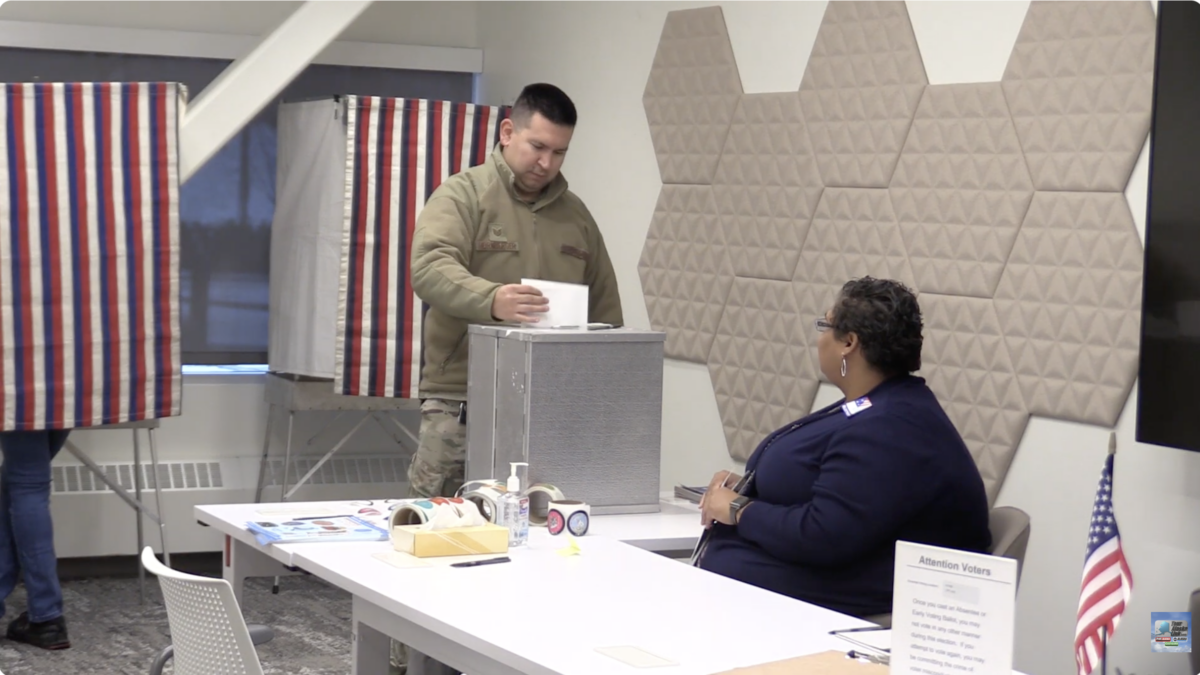
In recent years, election integrity has emerged as a foundational concern in American politics, driving widespread legislative and judicial efforts nationwide. The foundational principle behind such efforts is clear: to safeguard our democratic process from fraud and manipulation, preserving citizens' trust in the outcome of elections. Ensuring elections are secure, transparent, and correctly reflect the will of legitimate voters is essential for the health of the republic.
However, as the nation grapples with this imperative, debates have intensified over the balance between making voting accessible to all eligible citizens and enforcing stringent measures that prevent voter fraud. This contentious dynamic was sharply illustrated by the introduction and consideration of legislative proposals like the Safeguard American Voter Eligibility (SAVE) America Act. While election integrity aims to protect the system, critics worry that overreaching mandates risk disenfranchising legitimate voters—particularly those in vulnerable or shifting demographic groups.
Legislative Efforts to Uphold Voting Security
"Election integrity is fundamental to democracy; without it, citizens lose trust in their government and the rule of law suffers"
One of the most prominent legislative actions focused on bolstering election integrity has been the SAVE America Act, which passed the House of Representatives in February 2026 amid heated partisan debate. The act mandates that individuals provide documentary proof of U.S. citizenship when registering to vote and submit a government-issued photo identification when casting ballots. These requirements aim to close loopholes that could allow non-citizens or ineligible voters to participate unlawfully in elections.
Proponents argue that such measures are not only reasonable but necessary. They contend that a system without proper identification safeguards undermines public confidence and opens the door to voter fraud, which, no matter how infrequent, tarnishes the democratic process. Supporters emphasize that confirmation of citizenship aligns with the logical premise that only American citizens possess the constitutional right to vote, underscoring a straightforward standard to ensure fairness.
Opponents counter that documentary proof and photo ID requirements may impose unreasonable barriers on eligible voters. For example, a 2023 national survey found that roughly 9% of adult U.S. citizens could not readily present documentary proof of citizenship, and an equivalent percentage lacked a valid driver's license or state-issued ID. Many of these individuals include elderly voters, lower-income citizens, or those with frequent residential moves—subsets often highlighted by Democrats as potentially disenfranchised by restrictive laws.
These challenges have prompted calls for balanced implementation. Some advocates suggest augmenting the law with provisions for free or low-cost IDs, expanded outreach, and streamlined processes for voters who undergo name changes due to marriage or other reasons. These pragmatic approaches seek to maintain the integrity of elections while reducing unintended voter disenfranchisement.
Addressing Voter Fraud While Protecting Voting Rights
The issue of non-citizen voting remains a critical point in the election integrity debate. Periodic stories regularly surface involving fraud allegations, such as the case of a Canadian citizen charged with voting fraud in Massachusetts, reminding Americans why stringent verification is vital. Such instances, although potentially isolated, fuel public concern and necessitate vigilance to protect the sanctity of the vote.
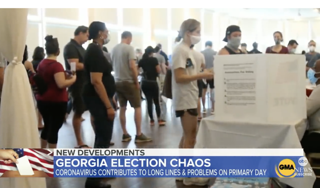
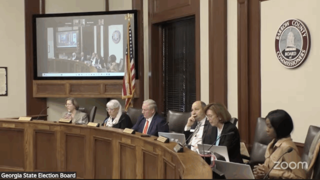
Election boards across the country have faced scrutiny for procedural irregularities. Fulton County, Georgia, for example, has come under fire for multiple election administration issues dating back to 2020, including the unlawful certification of early ballots and the mysterious disappearance of 'zero tapes'—records intended to certify zero votes before polls open. These developments highlight the real vulnerabilities present in the current electoral framework and underscore the urgency of reform. FBI investigations into Fulton County's administration underscore these weaknesses.
Still, the challenge lies in craftily implementing safeguards without infringing upon citizen voting rights. For instance, married women who have changed their names and people frequently relocating must update their documentation to comply with ID mandates. Failure to do so could lead to legitimate votes being cast aside. This tension between security and accessibility remains at the forefront of policy discussions.
Compounding these issues, some jurisdictions have had to address spoilage or mismanagement of mail ballots. Ohio’s enactment of a law requiring all mail ballots to be returned by election day reflects efforts to tighten ballot security and reduce the risk of post-election tampering or late submissions. Yet, such policies can draw criticism from voter advocates worried about limiting flexibility for legitimate absentee voters.
Judicial Decisions and Political Challenges
Courts have played a pivotal role in shaping the election integrity landscape. The Supreme Court's recent decision to decline reviewing a Michigan voter roll lawsuit left unresolved questions regarding how to handle unverified voter registrations. Such judicial restraint often reflects deference to state legislatures but leaves room for political battles at the state and federal levels. These judicial precedents influence how aggressively states can enforce identification and verification laws. Our detailed examination of the Supreme Court's stance on voter roll litigation illuminates this dynamic.
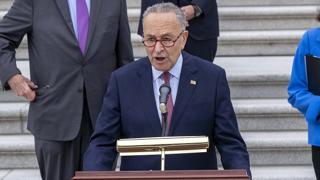
Meanwhile, legislative progress in the Senate on the SAVE America Act has faced roadblocks. Senate Majority Leader Thune encountered criticism over the perceived sluggish progress, and Republican Senators have pushed to eliminate the filibuster to pass the bill, highlighting intra-party divisions and the partisan stakes at play. Some GOP senators like Sen. Murkowski have voiced opposition, signaling that even within the Republican ranks, consensus is elusive. These developments show the complexity of advancing comprehensive election reforms.
Serving as a stark example of political tensions, the Senate debates over this legislation underscore the challenge of balancing the competing interests of election security advocates and voting rights defenders. These conflicts have broader implications for rule-of-law and governance. The contrast between key members pushing for swift action and those voicing caution reflects a broader divide concerning how aggressively election laws should be overhauled.
Adding to the complexity, some Democrats have openly opposed the SAVE America Act amid concerns about voter eligibility criteria potentially excluding lawful voters. This opposition often frames election integrity efforts as thinly-veiled attempts at voter suppression, though Republicans emphasize the vital importance of eliminating vulnerabilities that allow fraudulent voting to occur. Insights into these partisan debates are explored in our report on Democratic opposition.
Real-World Implications and Future Directions
On the ground, several states have already moved forward with measures echoing facets of the SAVE America Act. Ohio, for example, enacted a law requiring that all mail ballots be returned by election day, a rule advocates argue increases ballot security and limits post-election manipulation. Conversely, Maine voters have rejected photo ID requirements, reflecting ongoing cultural and political divides over election integrity measures nationwide. These divergent state actions emphasize the localized nature of election policy and the patchwork approach that characterizes America’s system.
Moreover, political dynamics, such as the surge of Trump-backed candidates winning primaries in several states, suggest a growing emphasis on election integrity within the GOP, impacting legislative priorities and electoral messaging. This evolution amplifies calls for rigorous verification processes while triggering pushback from Democrats who warn about potential voter suppression. Our coverage of Trump-backed candidates' victories provides insight into this political realignment.
Proactive efforts by the Republican National Committee, including reinforcing election integrity teams in key battleground states like Virginia and New Jersey, demonstrate strategic moves to safeguard elections against fraud and manipulation. Such initiatives also aim to restore public confidence by fostering transparency and accountability during voting operations. Details of the RNC’s election integrity work illustrate these coordinated campaigns.
Another pressing concern is the leadership and oversight of key federal institutions like the United States Postal Service, whose integrity is critical for mail-in ballot security. Calls for appointing Republicans to the USPS Board underscore bipartisan concerns over administrative neutrality and the agency's trustworthiness during elections. This concern reflects fears that internal agency biases or inefficiencies could imperil the chain of custody for mailed ballots.
While critics argue that measures aimed at tightening voter verification disproportionately impact minorities and the poor, ignoring legitimate fraud risks worsens voter trust in government. As former FBI investigations into election irregularities in Fulton County show, maintaining public confidence depends on addressing both actual and perceived vulnerabilities in the system. These investigations serve as a reminder that election integrity encompasses both the technical procedures and the public’s perception of fairness.
Balancing Security and Accessibility for American Voters
Navigating the tightrope between election security and voter access demands clear-eyed policy crafting and honest debate. The goal should be preserving the electorate’s ability to vote freely while ensuring those votes carry legitimacy. This includes addressing logistical obstacles voters face when obtaining IDs and proof of citizenship without compromising standards that prevent fraud. Policies aiming to ease access to identification, such as issuing free documents or establishing streamlined verification processes, can help mitigate disenfranchisement concerns without sacrificing security.
Beyond legislation, educating voters about new requirements is essential to prevent inadvertent disenfranchisement. Community outreach and bipartisan cooperation can bolster electoral participation while guarding legitimacy. Effective communication strategies are a crucial but often overlooked component of election reform, requiring engagement with diverse communities to ensure compliance and awareness.
Implementing clear and consistent standards across states, coupled with readily accessible support services, can also reduce confusion and administrative errors. Election officials must receive adequate training on issuing IDs, verifying registrations, and managing ballots to uphold both security and accessibility, making election administration a cornerstone of election integrity.
The tension surrounding election integrity encapsulates broader cultural divisions in America, making it among the most politically charged and consequential issues today. Fulfilling the promise of one person, one vote requires vigilance against both fraud and suppression, guided by principles that honor the Constitution’s intent and protect American democracy. Thoughtful approaches that integrate security measures with protections for voter access will define the robustness and legitimacy of our electoral system for decades to come.
For deeper context on these developments, our report on the SAVE America Act's Senate debate provides insight into ongoing legislative discussions. Additionally, details on the Fulton County investigation reveal specific election irregularity concerns underscoring the need for reform. The story of a Canadian voter fraud case further exemplifies risks to ballot security, while the RNC's election integrity initiatives highlight efforts to address these challenges proactively.
Ultimately, election integrity is more than an abstract policy issue; it is the foundation on which our democratic republic rests. Addressing it with prudence, courage, and fairness will define the nation's political future for generations to come.
Frequently asked questions
What is the SAVE America Act?
The SAVE America Act is legislation that requires voters to provide proof of U.S. citizenship when registering and a government-issued photo ID when voting to strengthen election security.
Why do some people oppose voter ID and citizenship proof laws?
Opponents argue these laws can disenfranchise eligible voters who lack easy access to IDs or updated documents, particularly marginalized groups.
How common is voter fraud in U.S. elections?
While voter fraud cases are rare nationwide, isolated incidents—such as noncitizens voting—have occurred and fuel concerns over election integrity.
What challenges arise from name changes or frequent moves regarding voter ID laws?
Individuals who change names, often married women, or those who move frequently must update documents and registrations to avoid being turned away at the polls.
How have courts impacted election integrity laws recently?
Courts like the Supreme Court have occasionally declined to intervene in election-related lawsuits, leaving states discretion over voter roll verification and identification rules.
What role does the Postal Service play in election security?
The USPS manages mail-in ballots, so its efficiency and impartiality directly affect ballot handling and election integrity.
How can election boards improve election integrity without disenfranchising voters?
By increasing transparency, ensuring proper certification, offering free IDs, and educating voters on requirements, election boards can balance security and access.
Timeline of our coverage
- 2026-06-30 — Alaska Supreme Court Allows Controversial Candidate on Senate Primary Ballot
- 2026-06-18 — California Requires Proof of LGBT Status for Utility Contracts Amid Voter ID Controversy
- 2026-05-21 — Canadian Citizen Charged with Voting Fraud in Massachusetts
- 2026-05-06 — Trump-Backed Candidates Win Indiana Primaries, Signaling Shift in GOP Dynamics
- 2026-05-04 — Democrats Oppose SAVE America Act Amid Concerns Over Voter Eligibility
- 2026-04-10 — Republican Senators Push to Eliminate Filibuster for SAVE America Act
- 2026-03-20 — Senate Debates Election Integrity Amid Competing Priorities
- 2026-03-18 — Senate Begins Debate on SAVE America Act Amid Partisan Tensions
- 2026-03-16 — Senate to Consider SAVE America Act Amid Filibuster Debate
- 2026-03-11 — Senate Majority Leader Thune Faces Criticism Over SAVE America Act Progress
- 2026-03-04 — Supreme Court Declines to Review Michigan Voter Roll Lawsuit
- 2026-02-16 — Chip Roy Proposes Senate Vote Strategy for SAVE Act Without Changing Filibuster Rules
- 2026-02-14 — Political Figures Criticized for Controversial Statements and Actions
- 2026-02-11 — Sen. Murkowski Opposes SAVE America Act, Sparking GOP Tensions
- 2026-02-10 — FBI Investigates Fulton County's 2020 Election Administration Amid Claims of Irregularities
- 2026-02-06 — McConnell Faces Pressure Over SAVE Act Amid Election Integrity Debate
- 2026-01-30 — Fulton County Election Board Unable to Locate Missing 'Zero Tapes' from 2020 Election
- 2025-12-23 — Fulton County Acknowledges Unlawful Certification of Early Ballots in 2020 Election
- 2025-12-22 — Ohio Enacts Law Requiring All Mail Ballots to Be Returned by Election Day
- 2025-12-22 — Michigan Ranked-Choice Voting Initiative Paused Amid Opposition
The Bottom Line
- Election integrity ensures the legitimacy of democratic outcomes, fostering public confidence in government.
- Protecting against voter fraud safeguards the principle that only eligible citizens participate in elections.
- Balancing security with access prevents disenfranchisement of lawful voters, promoting fairness and inclusivity.
- Legislative and judicial actions on election laws shape future voting rights and political representation.