Federal authorities have charged Sunny Manhertz, a 40-year-old Canadian citizen and legal permanent resident, with unlawful voting in multiple U.S. elections, including the 2012, 2016, 2020, and 2024 general elections. The Department of Justice announced the arrest on Tuesday, highlighting ongoing concerns about election integrity and the need for stricter voter registration laws.
Explainer Election Integrity: Protecting Voter Rights in Modern America
The case underscores a significant debate over voting rights and citizenship verification in the United States, with critics arguing that noncitizen voting undermines the electoral process. Manhertz is accused of lying on his voter registration form by claiming U.S. citizenship, a violation that could lead to severe penalties, including up to five years in prison.
Manhertz, who has been a lawful permanent resident since 1987, allegedly registered to vote in Saugus, Massachusetts, and participated in elections despite knowing he was not a U.S. citizen. According to the U.S. Attorney’s Office for the District of Massachusetts, he checked “Yes” on his registration form to the question of citizenship, which he did under penalty of perjury.
Background of the Case
Court documents reveal that Manhertz has a history of voting in local, state, and federal elections since 2008. He reportedly attended a political event in March 2024, where he signed nomination papers for candidates, despite instructions indicating that only qualified voters should sign. The affidavit from a Department of Homeland Security special agent, who previously served as an election coordinator in Saugus, emphasizes the seriousness of the allegations.
J. Christian Adams, president and general counsel of the Public Interest Legal Foundation, praised the U.S. District Attorney in Massachusetts for taking action, stating, "It shows that violations of election law will not be ignored. Cases like this show why citizenship verification matters."
Broader Implications
This case is part of a larger trend, as authorities in New Jersey recently indicted four noncitizens for similar voting violations. In January, two noncitizens were charged with illegally voting and making false statements on their citizenship applications. These incidents have reignited discussions about the integrity of the electoral process and the necessity of verifying citizenship before allowing individuals to vote.
Despite these concerns, some local officials in Massachusetts are advocating for measures that would allow noncitizens to vote in local elections. Boston City Councilor Julia Mejia introduced a home-rule petition in March, although such proposals have historically faced significant opposition in the state. Councilor Ed Flynn, a Democrat, expressed his belief that voting rights should be reserved for U.S. citizens, stating, "At this time, it’s critical that we maintain faith in our electoral system/democracy & avoid counterproductive changes."
Legislative Response
In response to ongoing allegations of voter fraud, former President Donald Trump has called for the passage of the SAVE America Act, which would require proof of citizenship to register to vote and photo identification to cast a ballot. Trump has emphasized the urgency of this legislation, urging Republicans to include it in key spending packages.
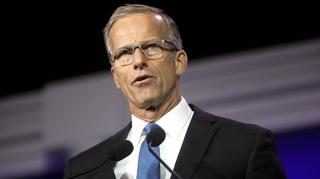
"Voter I.D., and Proof of Citizenship, must be approved, NOW," Trump stated on social media. Senate Majority Leader John Thune has faced criticism for not taking stronger action to advance the bill, which supporters argue is essential for maintaining election integrity.
As the debate continues, the Massachusetts case serves as a reminder of the complexities surrounding voter registration and the importance of ensuring that only eligible individuals participate in elections. While critics of voter ID laws argue they disproportionately affect marginalized communities, supporters maintain that such measures are necessary to prevent fraud and uphold the integrity of the electoral process.
The recent charges against Manhertz and similar cases highlight the ongoing tensions in U.S. electoral politics, as lawmakers and citizens grapple with the balance between accessibility and security in voting.