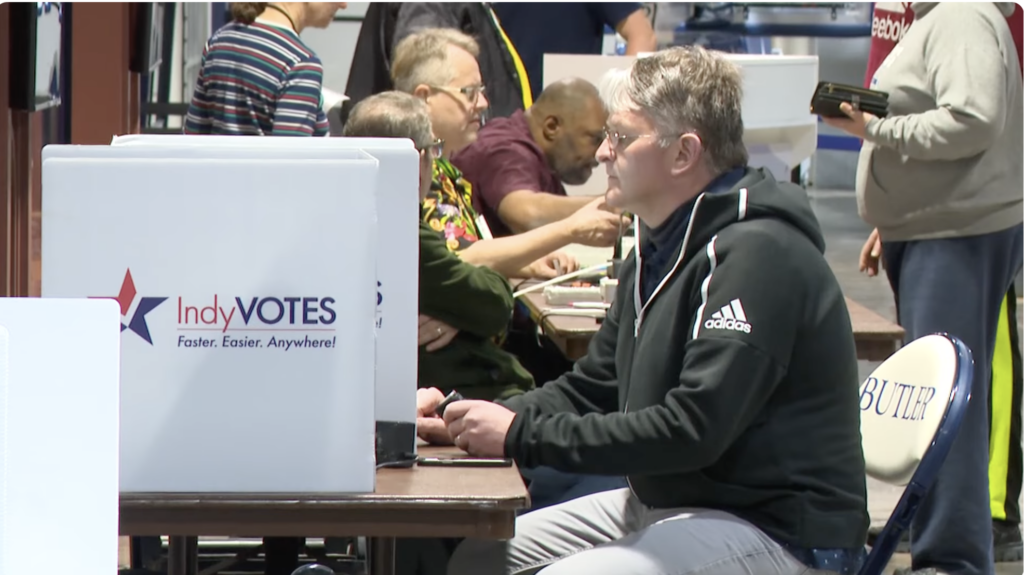
Candidates endorsed by former President Donald Trump won significant victories in Indiana's Republican primaries, signaling a potential shift in the party's dynamics. At least five of the seven state Senate seats targeted by Trump and allied conservative groups were won by challengers against incumbents who had previously voted with Democrats on a redistricting bill.
Explainer Election Integrity: Protecting Voter Rights in Modern America
The results reflect a growing frustration among Republican voters towards incumbents perceived as insufficiently aligned with conservative values. This trend raises questions about the future of GOP leadership and the influence of Trump within the party.
In the lead-up to the primaries, Indiana Sen. Jim Banks, a Trump ally, campaigned vigorously against incumbents who opposed a mid-decade redistricting plan that aimed to secure additional Republican seats in the U.S. House. "Everyone in Indiana politics should have learned an important lesson today: President Trump is the single most popular Republican among Hoosier voters," Banks stated following the election results.
Increased Campaign Spending
The Indiana Senate Republican primaries saw a dramatic increase in campaign spending, totaling $13.5 million, a 4,736 percent rise from the previous cycle, according to ad tracker AdImpact. Much of this funding came from Trump-aligned groups targeting incumbents who had voted against the redistricting plan.
This surge in spending highlights the stakes for Republican incumbents as they face challenges from candidates who align more closely with Trump's agenda. The increased financial backing for challengers underscores a potential shift in voter expectations and party loyalty.
Calls for Action on Election Integrity
As the Senate remains out of session, some Republican leaders have faced criticism for their lack of urgency in advancing the SAVE America Act, which aims to enhance election integrity by requiring proof of citizenship to vote. Senate Majority Leader John Thune has expressed support for the bill but noted the challenges posed by the 60-vote filibuster. Critics argue that this hesitance could alienate voters who prioritize election security.
Trump has urged Republicans to consider eliminating the filibuster to pass the SAVE America Act, warning that Democrats would act swiftly if given the opportunity. "I’m disappointed. I like John a lot, but there’s a couple of Republicans that are foolish people," Trump remarked, indicating his frustration with the current GOP leadership's approach to key issues.
Implications for Future Elections
The outcomes of the Indiana primaries may serve as a warning to other Republican incumbents, particularly those who have not aligned closely with Trump's priorities. In Texas, Sen. John Cornyn is facing a challenge from Attorney General Ken Paxton, who is leading in polls. Cornyn has recently indicated a willingness to support changes to Senate rules to facilitate the passage of the SAVE America Act, but critics remain skeptical of his commitment.
The primary results in Indiana could foreshadow similar outcomes in upcoming elections in other states, as voters express their desire for candidates who prioritize conservative values and align with Trump's agenda. While some incumbents may argue that their decisions reflect the interests of their constituents, the backlash from primary voters suggests a growing divide within the party.
Democrats have celebrated the results as a rejection of Trump’s influence, but the long-term implications for the GOP remain uncertain. As the party grapples with internal divisions, the Indiana primaries may serve as a pivotal moment in shaping the future of Republican leadership and strategy.