The Indiana Senate recently voted against a proposal aimed at creating more pro-Republican congressional maps, a decision that has ignited considerable debate regarding loyalty to former President Donald Trump and the internal dynamics of the state’s Republican Party. This vote, which saw 21 out of 40 Republican senators oppose the measure, reflects deeper tensions within the party concerning its direction and leadership. The outcome of this vote is significant, as it highlights the ongoing struggle within the GOP to reconcile differing factions and priorities.
Explainer Redistricting Unveiled: How It Shapes American Elections and Governance
The core issue at stake is whether Indiana Republicans will align with Trump’s vision for redistricting or maintain their existing political strategies, which some critics argue are increasingly out of touch with the party’s base. Former Governor Mitch Daniels, a prominent figure in Indiana politics and a key influencer in the state's GOP since leaving office in 2013, publicly opposed the redistricting plan. He emphasized the divide between pro-Trump and anti-Trump factions within the party, stating, "I am very disappointed that a small group of misguided State Senators have partnered with Democrats to reject this opportunity to protect Hoosiers with fair maps and to reject the leadership of President Trump."
Internal Party Dynamics
The rejection of the redistricting plan has raised critical questions about the effectiveness of Trump’s influence on state-level politics. Critics argue that the absence of a strong patronage system from Trump’s administration has left Indiana Republicans feeling secure in their current positions. This sense of security may have led them to resist changes that could jeopardize their status within the party. Heritage Action and Lt. Gov. Micah Bechwith claimed that Trump threatened to withhold federal funds from the state if the redistricting plan did not pass. However, many Republican senators expressed skepticism about the effectiveness of such threats. They cited concerns that the proposed maps would further centralize power in Indianapolis, potentially alienating more conservative voters from rural areas.
Senate leader Rod Bray has faced criticism for his handling of the redistricting issue. Some lawmakers have accused him of dishonesty regarding his commitment to the redistricting process. JD Vance, a Republican senator from Ohio, remarked, "Rod Bray has consistently told us he wouldn't fight redistricting while simultaneously whipping his members against it," highlighting the internal strife and lack of trust among party members.
The Role of Activism
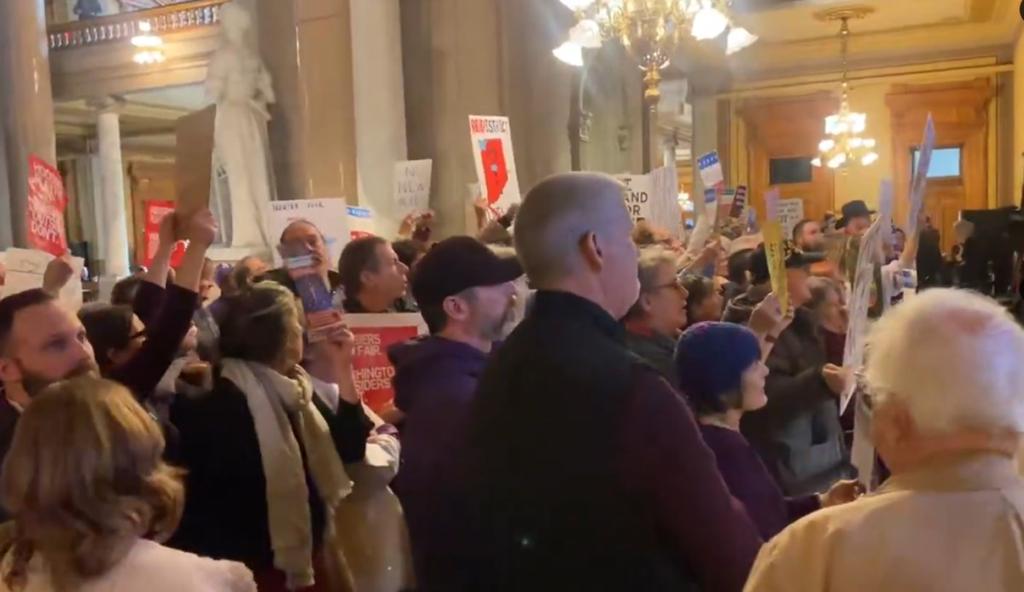
The political climate surrounding the redistricting vote was also significantly influenced by heightened activism from both sides. Anti-redistricting organizers held rallies that drew considerable attention, while Republican senators reported feeling pressured by vocal opposition from constituents and activists. This dynamic has raised concerns about the ability of the GOP to effectively mobilize its base in the face of organized opposition.
Despite the supermajority status of the Indiana GOP, the party has struggled to connect with voters on key issues. Many senators who voted against the redistricting plan cited a lack of communication regarding the benefits of the proposed changes. They argued that the focus should have been on how redistricting could tangibly improve the lives of constituents, rather than simply increasing Republican representation in Congress. This disconnect may reflect a broader issue within the party regarding its messaging and outreach efforts.
Looking Ahead
As the Indiana GOP navigates these internal divisions, the implications of the redistricting vote could resonate beyond state lines. The party’s ability to unify and present a coherent message may be critical as it prepares for upcoming elections. While some party members remain committed to Trump’s agenda, others are wary of the potential consequences of aligning too closely with his brand of politics. The failure to pass the redistricting plan may serve as a wake-up call for Indiana Republicans to reassess their strategies and priorities moving forward.
Supporters of the redistricting plan have not publicly responded to the criticisms raised by opponents, leaving questions about the future direction of the Indiana GOP unresolved. As the party grapples with its identity and seeks to define its path, the outcome of this vote may significantly influence its approach to governance and electoral strategy in the years to come. The internal conflicts and differing visions for the party's future will likely continue to shape Indiana's political landscape as the GOP seeks to maintain its relevance and effectiveness in a changing political environment.