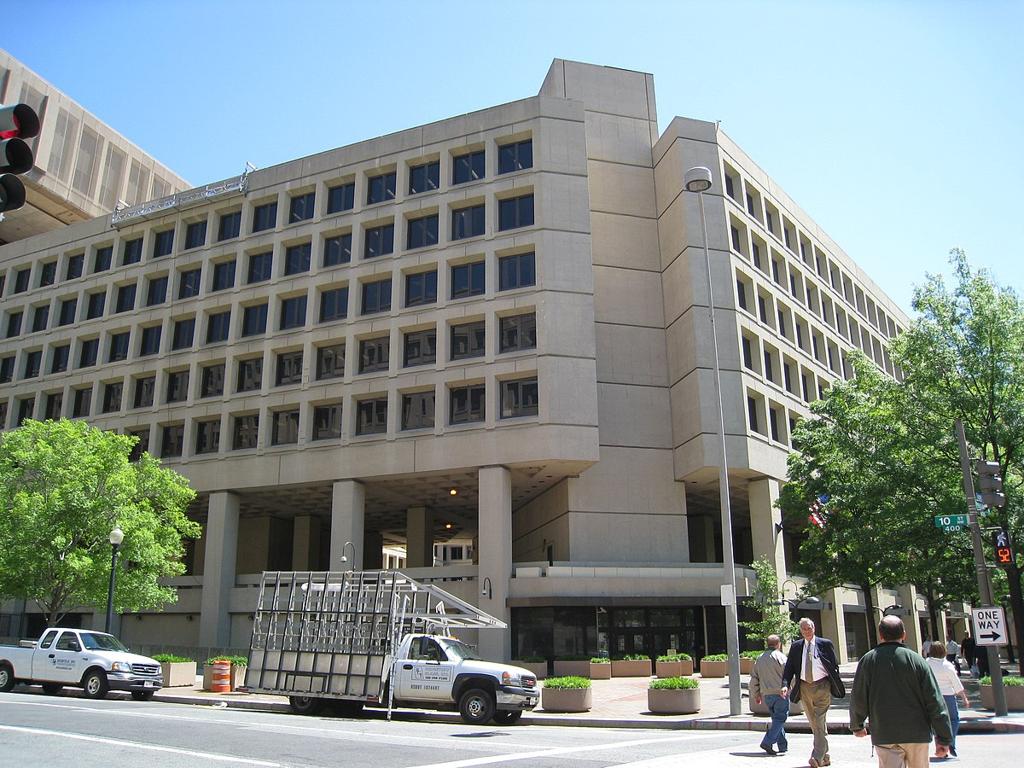
The FBI under the Biden administration obtained personal cell phone data from eight Republican senators as part of its investigation known as "Arctic Frost," (Grassley Senate) according to newly released documents from the Senate Judiciary Committee.
The records, disclosed by Committee Chair Chuck Grassley, R-Iowa, indicate that the FBI sought and acquired cell phone "tolling data" (Grassley Senate) from January 4 to January 7, 2021. This data includes information on call times, durations, and general locations but does not reveal the content of the calls.
The senators involved in this inquiry are Lindsey Graham (South Carolina), Bill Hagerty (Tennessee), Marsha Blackburn (Tennessee), Josh Hawley (Missouri), Dan Sullivan (Alaska), Tommy Tuberville (Alabama), Ron Johnson (Wisconsin), and Cynthia Lummis (Wyoming). Additionally, Rep. Mike Kelly, R-Penn., was also targeted.
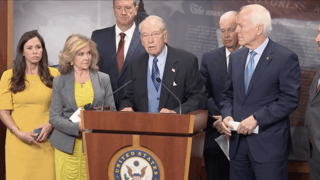
Grassley criticized the FBI's actions, stating, "Based on the evidence to-date, Arctic Frost and related weaponization by federal law enforcement under Biden was arguably worse than Watergate. What I’ve uncovered today is disturbing and outrageous political conduct by the Biden FBI." (Grassley Senate)
The senator called for accountability from Attorney General Bondi and FBI Director Patel, labeling the FBI's actions as an unconstitutional breach of privacy. Grassley emphasized the need for oversight regarding the agency's conduct.
The documents were reportedly found in the FBI's "Prohibited Access" (Grassley Senate) file, a designation that Grassley claims prevents certain information from appearing in search results within the agency's case management system, Sentinel. This raises concerns about the FBI's ability to provide relevant evidence in criminal cases and respond to Freedom of Information Act requests.
Margot Cleveland, a contributor to The Federalist, highlighted the implications of the "Prohibited Access" (Grassley Senate) designation, stating that it could hinder investigations and the DOJ's ability to fulfill its discovery obligations. "If Sentinel users do not know that relevant evidence exists, the DOJ cannot possibly provide exculpatory or impeachment evidence to criminal defendants," she wrote.
The inquiry that led to the data collection has been linked to Special Counsel Jack Smith's investigation into alleged electoral misconduct involving former President Donald Trump. Critics of the FBI's actions argue that this represents a troubling trend of federal overreach and politicization.
The FBI's targeting of Republican senators has drawn sharp criticism from various quarters, with some lawmakers calling for a thorough investigation into the agency's practices. Grassley’s revelations have reignited debates over the FBI's role in political matters and its accountability to Congress.
As the situation develops, questions remain about the extent of the FBI's surveillance and whether it adhered to legal standards in its investigations. The implications of these findings could have significant repercussions for the agency and its oversight by Congress.