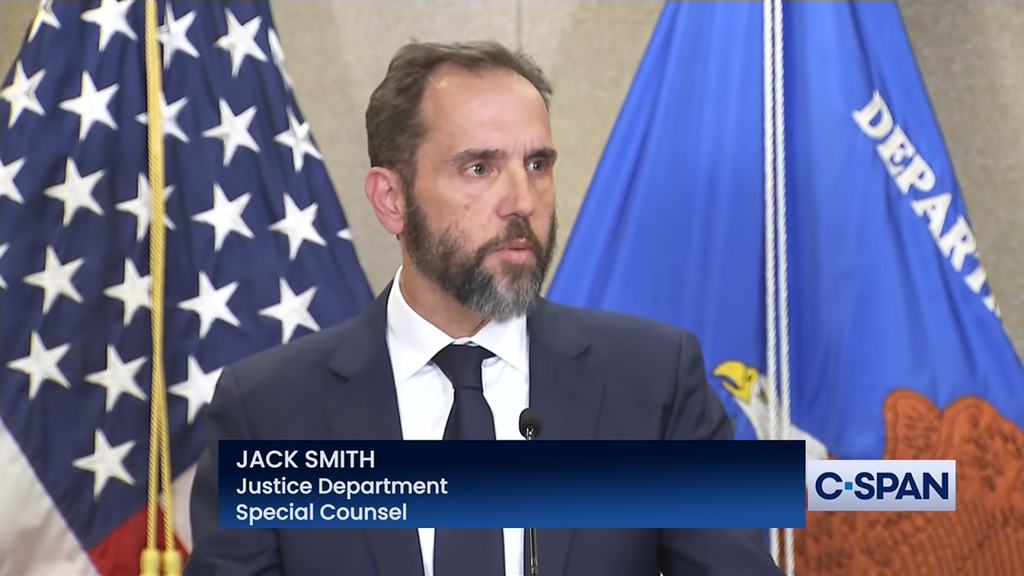
Special Counsel Jack Smith and his team have been accused of disregarding constitutional standards in their investigation, known as Arctic Frost, which targeted several GOP senators. New documents released by Republican Senators Chuck Grassley of Iowa and Ron Johnson of Wisconsin reveal communications between Smith's team and officials from the Biden Justice Department (DOJ) regarding subpoenas aimed at over eight Republican senators. These subpoenas sought cell phone 'tolling data' from January 4-7, 2021, as part of the broader investigation into alleged election-related misconduct involving Donald Trump.
The records, disclosed on Tuesday, include emails from May 2023 in which Smith's team sought approval from the DOJ's Public Integrity Section (PIN) to issue the subpoenas. PIN is responsible for overseeing investigations and prosecutions of federal crimes that affect government integrity, including election crimes. In an email, Molly Gaston from Smith’s office described the subpoenas as 'narrowly-tailored' and claimed they were necessary to investigate communications related to efforts to delay the certification of the electoral college vote.
Gaston asserted that the subpoenas were limited in scope to minimize the collection of unrelated material and emphasized that they would only obtain non-content records. However, Keller, a principal deputy chief at PIN, cautioned Gaston about the 'litigation risk' associated with the subpoenas, particularly concerning the Speech and Debate Clause, which protects legislative communications from compelled disclosure.
Keller noted that while there was a potential argument that the calls made during the relevant period might not constitute protected legislative acts, the risk of litigation was considered minimal given the low likelihood of charges against the targeted senators. This exchange raises questions about the extent to which Smith's team adhered to constitutional protections for members of Congress.
The documents also reveal discrepancies in Gaston’s characterization of the subpoenas. While she described them as narrowly focused, it has come to light that Smith's team also sought phone records from former House Speaker Kevin McCarthy and Rep. Jim Jordan that covered a much broader time frame. Furthermore, the targeted senators were reportedly not informed that their phone records were being sought, as Smith's team sought nondisclosure orders for many of the subpoenas.
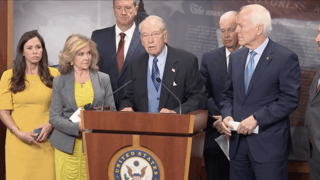
Grassley criticized the actions of Smith and the DOJ, stating that the records demonstrate a disregard for constitutional standards and an intrusion into the legislative functions of Congress. He emphasized that the investigation appears to be based on a legally weak foundation and accused Smith of operating with partisan motives.
The document release also indicated that Smith's team considered subpoenas for the phone records of Republican Senators Mike Lee and John Kennedy, and mistakenly included Senator Tim Scott in the initial list of targets before replacing him with Senator Rick Scott.
Grassley’s comments reflect a growing concern among Republicans regarding the conduct of the Special Counsel's office and the implications of such investigations on the legislative process. The Arctic Frost probe has drawn significant scrutiny, particularly in light of the constitutional protections afforded to members of Congress.
As the investigation continues, the balance between accountability and constitutional rights remains a contentious issue, with implications for the ongoing political landscape. The actions of the Special Counsel's office will likely be closely monitored by both sides of the political aisle as they navigate the complexities of law and governance in the current climate.