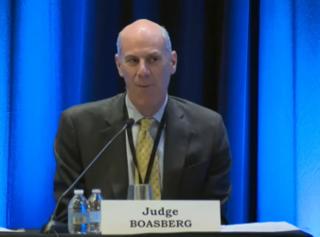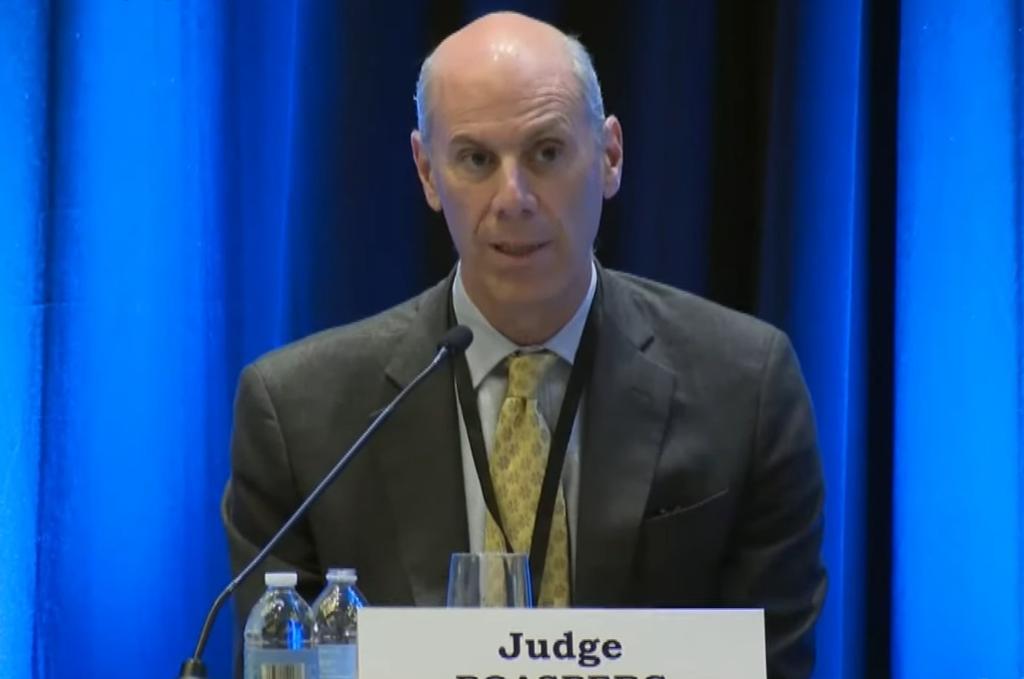
Judge James Boasberg, chief judge of the U.S. District Court for D.C., is facing scrutiny for issuing a gag order that concealed the Biden administration's seizure of Senator Ted Cruz's phone records. This order, which prevented AT&T from notifying Cruz about the subpoena for at least a year, may have violated federal law, according to legal experts.
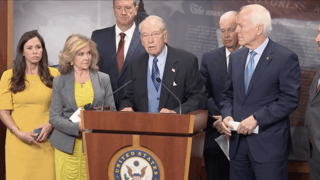
Senator Chuck Grassley, R-Iowa, alleged that the Biden administration's inquiry, dubbed "Arctic Frost," targeted Republican senators and involved Special Counsel Jack Smith obtaining phone records from at least eight senators and one congressman. Smith reportedly subpoenaed Cruz's records through AT&T.
Cruz stated, "There is precisely zero evidence to conclude that I am likely to destroy or tamper with evidence or to intimidate potential witnesses. This order is an abuse of power." He criticized the gag order as a misuse of legal authority, claiming it was designed to shield the administration from accountability.
Legal analysts have pointed out that Boasberg's order may conflict with 2 U.S.C. 6628, which prohibits gag orders on Senate data collection. Mike Fragoso, a fellow at the Ethics and Public Policy Center, noted that if Cruz's phone was an official device, the gag order could warrant a bar investigation or even an impeachment inquiry.
The statute mandates that any legal process seeking disclosure of Senate data must notify the Senate, allowing it to challenge subpoenas on separation of powers grounds. Fragoso emphasized, "If Smith or Boasberg violated that statute, it’s a very serious problem."
Sean Davis, CEO of The Federalist, criticized Boasberg's actions, stating, "Boasberg issued the illegal gag order precisely to prevent the Senate from going to court to vindicate its rights." He argued that the order effectively kept the Senate in the dark about the surveillance, undermining its ability to respond legally.
This incident is part of a broader trend of concerns regarding the judiciary's role in political matters. Critics argue that some judges have become political actors, undermining the integrity of the judicial system. The call for impeachment of judges has gained traction among some lawmakers and legal experts, although the likelihood of removal remains low.
The controversy surrounding Boasberg's order has intensified discussions about the balance of power among the branches of government and the need for accountability in judicial actions. As the situation unfolds, it raises significant questions about the limits of judicial authority and the protection of legislative rights.