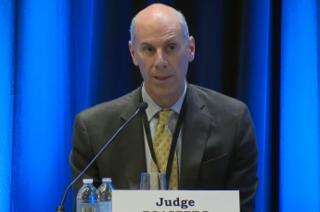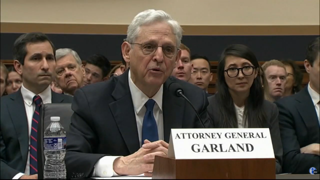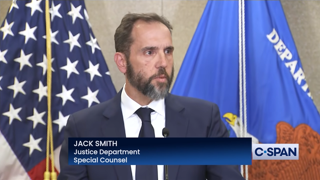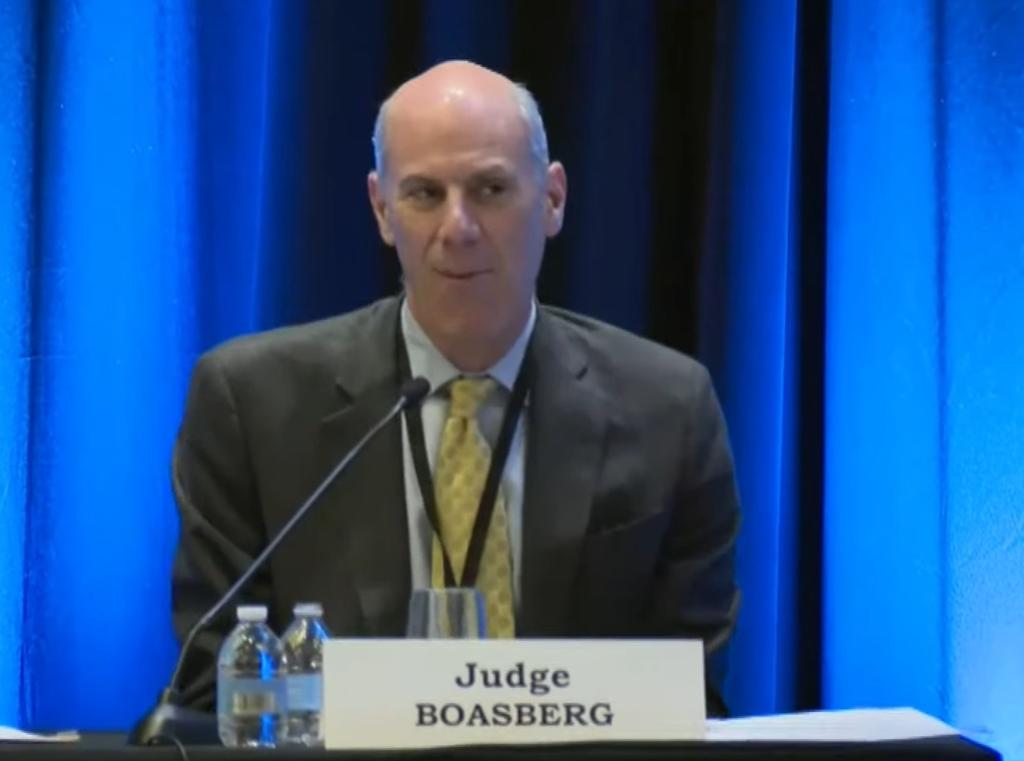
A group of Republican lawmakers is pressing U.S. District Chief Judge James Boasberg regarding his approval of subpoenas that allowed Special Counsel Jack Smith to access the phone records of Senate Republicans. The lawmakers argue that Boasberg's decision may have violated federal law and undermined congressional oversight.
In a letter sent to Boasberg, Senators Chuck Grassley (R-Iowa), Ron Johnson (R-Wis.), and Representative Jim Jordan (R-Ohio) highlighted concerns over the nondisclosure orders (NDOs) associated with the subpoenas. They noted that these orders prevented telecommunications providers from informing congressional offices about the legal requests, which they claim is a violation of 2 U.S.C. § 6628. This statute explicitly states that service providers must notify Senate offices when their records are sought through legal processes.
"The clear prohibition on granting NDOs was designed, at least in part, to address such grave constitutional concerns," the lawmakers wrote in their letter. They expressed skepticism about Boasberg's rationale for approving the NDOs, particularly regarding a subpoena related to Senator Ted Cruz (R-Texas). Boasberg reportedly justified the order by claiming that Cruz might destroy evidence or intimidate witnesses, a reasoning the lawmakers dismissed as "absurd on its face."
The letter from the Republican leaders demands answers to eight specific questions, including whether the Special Counsel's office informed Boasberg that it sought records for sitting Members of Congress and whether the court was briefed on the applicability of the relevant statute. They have given Boasberg until December 4 to respond.
Calls for Boasberg's impeachment have intensified, with Representative Brandon Gill (R-Texas) filing Articles of Impeachment earlier this month. Additionally, a group of Republican senators has urged D.C. Circuit Chief Judge Sri Srinivasan to suspend Boasberg while these efforts are underway.
Senator Eric Schmitt (R-Mo.) stated, "We cannot tolerate rogue, self-professed prejudicial judges ruling on our nation’s most important cases." The controversy centers around the broader implications of the subpoenas and the potential infringement on the separation of powers between the judicial and legislative branches.
The Federalist reported that Boasberg approved 19 of the 43 subpoenas issued to Verizon and AT&T, all of which included NDOs. The lawmakers are particularly concerned about the implications of these actions for congressional oversight and the protection of legislative communications.
As the situation develops, the D.C. District Court has not yet responded to requests for comment regarding the ongoing scrutiny of Boasberg's decisions. The Republican lawmakers are seeking clarity on how the court weighed the legal and constitutional issues surrounding the subpoenas and NDOs.