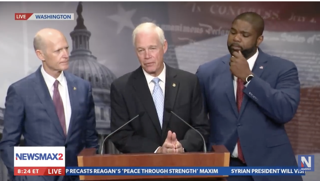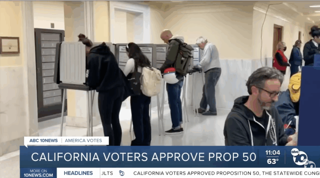
Not a single Democrat in the Senate has expressed support for the Safeguard American Voter Eligibility (SAVE) America Act, which aims to amend the National Voter Registration Act to require documentary proof of citizenship for voter registration and identification to cast a ballot in federal elections. The bill, which passed the House with minimal bipartisan support, has stalled in the Republican-controlled Senate amid opposition from Democrats and some Republicans.
Explainer Election Integrity: Protecting Voter Rights in Modern America
The core tension surrounding the SAVE America Act lies in its potential impact on voter eligibility and the electoral landscape, particularly in battleground states like New Mexico and Nevada. Critics argue that the legislation could disproportionately affect Democratic voters, while supporters claim it is necessary to ensure election integrity.
Currently, the federal voter registration form includes a simple attestation regarding citizenship, which critics say is insufficient to prevent noncitizens from voting. Yale Law School Professor Ian Ayres and research fellow Jacob Slaughter, in a recent op-ed, analyzed the implications of the proposed legislation, suggesting that it could significantly advantage Republicans in certain states.
Analysis of Voter Documentation
Ayres and Slaughter estimate that 89% of Democrats and 90% of Republicans nationwide possess qualifying citizenship documents, a difference they deem statistically insignificant. However, they highlight that this national parity obscures significant state-level variations. In New Mexico, for example, they found that Democrats are 13 percentage points less likely than Republicans to hold the necessary documentation. They argue that this discrepancy could shift the state's electorate in favor of Republicans if the SAVE Act is enacted.
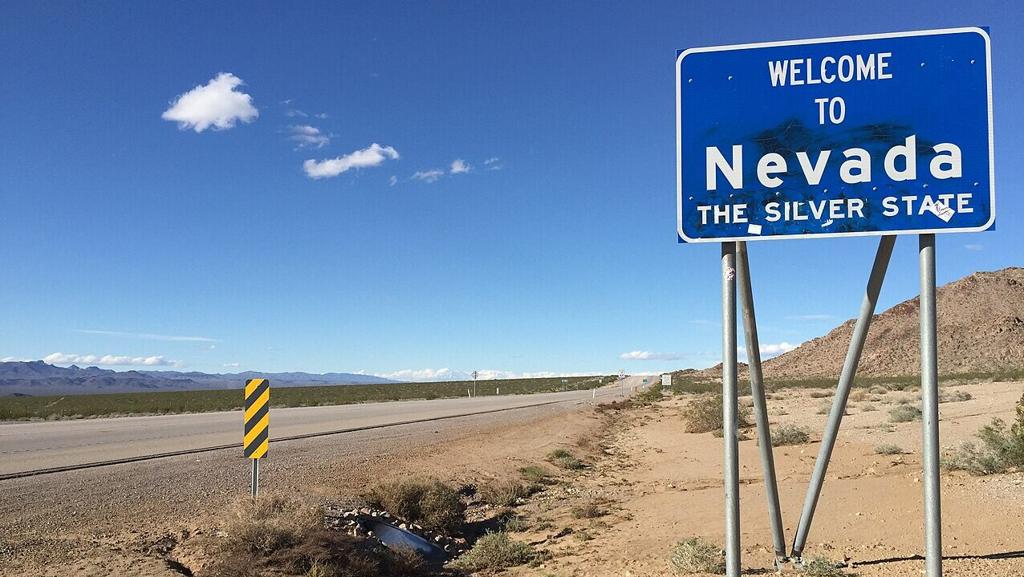
The authors project that the passage of the SAVE America Act could lead to a 3.3-percentage-point advantage for Republicans in New Mexico as new voters register. Similarly, they note that Nevada could transition from a battleground state to a Republican stronghold, with Democrats being 5.3 percentage points less likely than Republicans to have the required documentation.
Implications for Swing States
Ayres and Slaughter's research indicates that the overall effect of the legislation would lean Republican, with eight out of 15 swing states showing rightward shifts. They conclude that while the immediate consequences for the upcoming midterms may be modest, the long-term implications could reshape the political landscape in key states.
Despite these findings, Ayres and Slaughter assert that the benefits of the legislation are "minuscule," even as they acknowledge that approximately 4 million registered voters lack documentary proof of citizenship. This raises questions about the integrity of voter rolls and the potential for unauthorized voting.
Supporters of the SAVE America Act argue that requiring proof of citizenship is a common-sense measure to protect the electoral process. However, they did not respond to the specific criticisms raised by Ayres and Slaughter regarding the potential electoral consequences of the legislation.
Political Landscape and Future Prospects
The SAVE America Act's stalled progress in the Senate reflects broader partisan divisions over voting rights and election integrity. While Republicans advocate for stricter voter ID laws, Democrats contend that such measures disproportionately disenfranchise eligible voters, particularly in minority communities.
As the debate continues, the implications of the SAVE America Act remain a focal point in discussions about electoral reform and voter access. The outcome of this legislation could have lasting effects on the political dynamics in several key states, influencing the balance of power in future elections.
In summary, the SAVE America Act has sparked significant debate over voter eligibility and election integrity, with potential ramifications for the political landscape in battleground states. As the Senate deliberates, the divide between parties on this issue is likely to persist, shaping the future of voting rights in the United States.