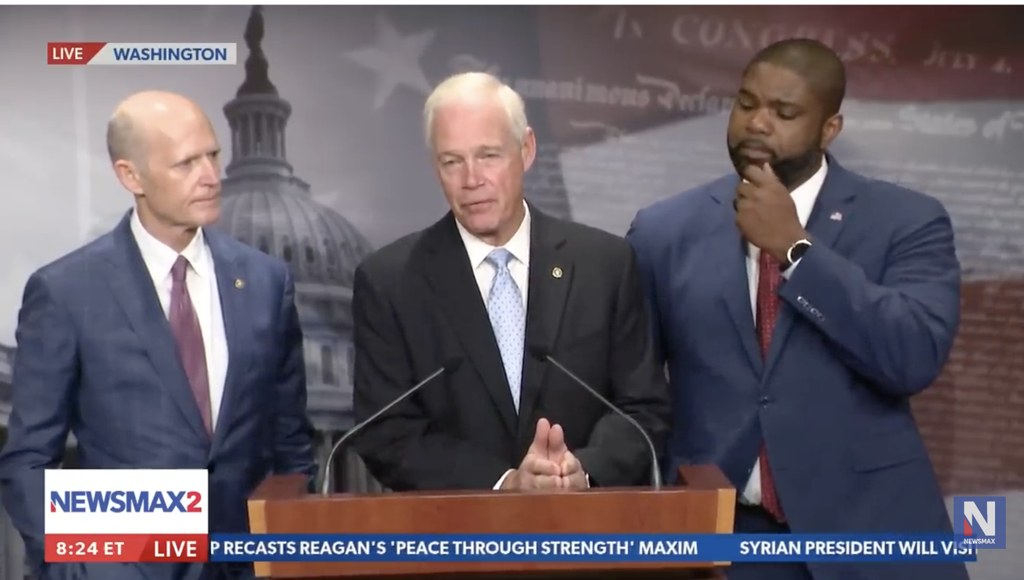
Two Republican senators are calling for the elimination of the filibuster to advance the SAVE America Act, a controversial piece of legislation aimed at tightening voter ID requirements. Senators Rick Scott of Florida and Ron Johnson of Wisconsin argue that the current political climate necessitates drastic measures to ensure election integrity.
Explainer Election Integrity: Protecting Voter Rights in Modern America
The push to end the filibuster highlights a growing divide within the GOP regarding legislative strategy and the future of voting rights in the United States. Supporters of the SAVE America Act contend that it is essential to prevent voter fraud, while critics argue it disproportionately affects marginalized communities.
The SAVE America Act, which requires documentary proof of citizenship to register to vote and photo identification to cast a ballot, has faced staunch opposition from Senate Democrats. They claim the bill would disenfranchise millions of voters, a sentiment echoed by various advocacy groups. Cyndi Lauper, a prominent figure in the entertainment industry, criticized the legislation, stating, "The SAVE Act is not about protecting against voter fraud — it’s about voter suppression."
Scott and Johnson, however, maintain that the legislation is necessary to restore confidence in U.S. elections. Johnson remarked, "I don’t know how much more broken the United States Senate could be before my colleagues kind of wake up, smell the roses and go, ‘Yeah, we better act before they do.’" They argue that the Democrats' refusal to engage in bipartisan discussions on the bill justifies their call to eliminate the filibuster.
Internal GOP Divisions
Despite the urgency expressed by Scott and Johnson, many within the Republican Party remain hesitant about eliminating the filibuster. Senate Majority Leader John Thune of South Dakota has indicated that a talking filibuster, which would require Democrats to defend their position on the Senate floor, is not a viable option for many members. Senator Cynthia Lummis of Wyoming noted, "It will be an infliction of tremendous delays on other matters before the U.S. Senate without the positive results of passage of the SAVE Act."
Supporters of the talking filibuster believe it could force Democrats to reconsider their stance on the legislation. However, Lummis's comments reflect a broader concern among Republicans about the potential consequences of such a strategy, suggesting that it could hinder progress on other legislative priorities.
The Stakes of Election Integrity
The SAVE America Act has been a focal point of debate since its introduction, with proponents arguing that it addresses legitimate concerns about election security. President Donald Trump has identified the bill as a top priority, asserting that it is crucial to counteract perceived threats to election integrity. In contrast, Senate Democrats, including Senator Dick Durbin of Illinois, have accused Republicans of attempting to suppress voter turnout ahead of the upcoming elections.
Johnson emphasized the urgency of the situation, stating, "If we don’t do it now, the minute the Democrats get power they will end the filibuster. They will pass their nationalization of our elections, and it’s over. Game over." This sentiment reflects a growing anxiety among Republicans about the potential for Democrats to implement sweeping changes to voting laws if they regain control.
As Congress prepares to reconvene after its spring break, Scott has urged his colleagues to remain focused on the SAVE America Act. He stated, "We cannot stop until we get the SAVE America Act passed. We’ve got to stay on this bill." The outcome of this legislative battle could have significant implications for the future of voting rights and election integrity in the United States.
While Republican leaders push for the passage of the SAVE America Act, Democrats continue to voice their opposition, arguing that the bill undermines the principles of democracy. The ongoing debate underscores the deep partisan divides that characterize contemporary American politics, particularly regarding issues of voting and election security.