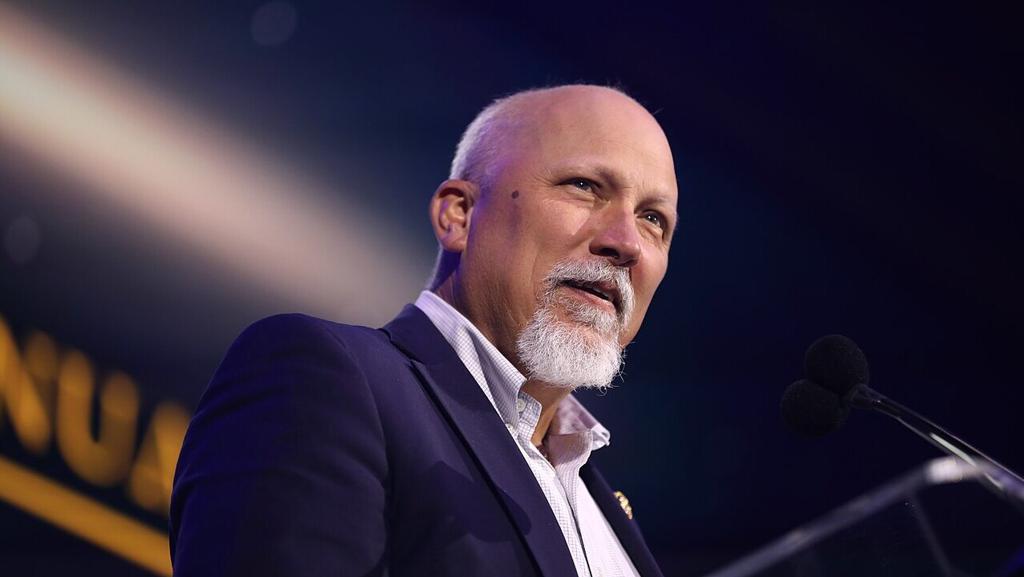
Rep. Chip Roy (R-TX) has proposed a strategic approach for the Senate to vote on the Safeguarding American Voter Eligibility (SAVE) America Act without resorting to the controversial elimination of the filibuster. In a detailed letter sent to senators, Roy outlined a pathway for the legislation to be brought to the Senate floor for a vote, despite the current legislative stalemate that has characterized the Senate's recent activities.
Explainer Election Integrity: Protecting Voter Rights in Modern America
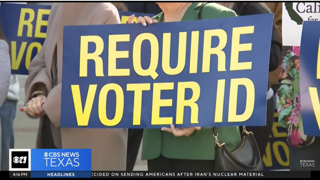
The core issue at hand is whether Senate Republicans can effectively unite to advance the SAVE Act. This legislation, which requires documentary proof of citizenship to register to vote and mandates voter ID for casting ballots, has already passed the House with a narrow margin. However, it faces significant challenges in the Senate, where 50 Republican senators have expressed their support for the bill, yet the path to a vote remains unclear.
The SAVE Act aims to amend the 1993 National Voter Registration Act, addressing ongoing concerns about noncitizen voting. While noncitizen voting is currently illegal, critics argue that the lack of enforcement mechanisms undermines the integrity of elections. Supporters of the SAVE Act contend that implementing such measures is essential for ensuring election integrity and restoring public confidence in the electoral process.
Roy's Proposal
In his letter, Roy elaborated on how Senate Majority Leader John Thune could bring the SAVE Act to a vote without resorting to the so-called "nuclear option," which would involve changing the existing filibuster rules. He emphasized that if all Republican senators who support the legislation are present, they could create a quorum that would compel Democrats to speak continuously in order to delay a vote on the bill.
Roy stated, "The commonly accepted 60-vote ‘filibuster’ threshold to ‘shut off debate’ is not the ONLY way to force a vote in the Senate – the majority can force opposing Senators to speak." He pointed out that under current Senate rules, if a quorum is present, the Senate must either be voting or a member must be speaking. This means that if no one is speaking and a quorum is present, a vote on the pending business would occur automatically. Roy asserted that Thune could proceed with a simple majority vote on the SAVE Act whenever he chooses, provided the necessary conditions are met.
Challenges Ahead
Despite the potential pathway Roy has outlined, the success of this strategy is contingent upon Republican unity and discipline. Roy cautioned that Republicans would need to table each amendment and adhere to the "2-speech rule" to ensure that an actual vote on the SAVE Act takes place. He explained, "If Republicans stick together, and the minority exhaust their opportunities to speak in opposition or give up, a final vote on passage of the bill occurs automatically at a majority threshold."
The SAVE Act passed the House with a vote of 218-213, garnering notable bipartisan support, including from Democrat Rep. Henry Cuellar of Texas. However, the Senate's response to the legislation remains uncertain, and it is unclear whether all Republican senators will align behind Roy's proposed plan.
Public Support and Opposition
Public opinion appears to favor the measures proposed in the SAVE Act. According to The Federalist’s Matt Kittle, the proposal enjoys significant popularity among voters, with approximately 80% of Americans supporting citizenship and ID requirements for voting. This widespread support could exert pressure on legislators to justify their opposition to the bill.
However, critics of the legislation argue that such requirements could disproportionately affect certain groups of voters, raising concerns about potential disenfranchisement. The Democratic leadership has not publicly responded to Roy's proposal or the specifics of the SAVE Act, leaving questions about their strategy moving forward.
As the debate continues, the outcome of the SAVE Act in the Senate will likely hinge on the ability of Republican leaders to navigate the procedural complexities while maintaining party unity. The stakes are high, as the legislation addresses fundamental issues of voter eligibility and election integrity, which remain contentious topics in American politics. The implications of this legislation could have lasting effects on the electoral landscape, making it a focal point of discussion in the coming weeks.