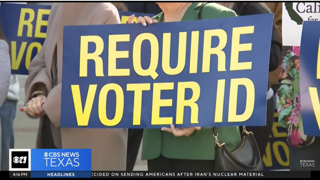
The Senate is facing renewed pressure to consider the SAVE America Act, a Republican-backed bill requiring voter identification and proof of U.S. citizenship for federal elections. This push has prompted discussions among lawmakers about reviving the talking filibuster, a procedural tool that could reshape legislative debate and accountability in the chamber.
Explainer Election Integrity: Protecting Voter Rights in Modern America
The core tension lies in whether the revival of the talking filibuster can effectively facilitate debate on significant legislation like the SAVE America Act, or if it will merely highlight divisions within the Senate. Advocates argue that restoring this procedure could enhance transparency and engagement in the legislative process, while critics express skepticism about its practicality and the ability of Senate Republicans to unite behind such efforts.
The SAVE America Act, which aims to tighten voting regulations, has garnered attention from both supporters and opponents. Proponents argue that requiring voter ID and citizenship verification is essential for election integrity, while opponents contend that such measures could disenfranchise voters. Senate Majority Leader Chuck Schumer has labeled the bill as "dead on arrival" in the Senate, indicating a lack of support among Democrats.
The Case for the Talking Filibuster
Senator Mike Lee (R-UT) and former Senate Steering Director Rachel Bovard have emerged as key advocates for the talking filibuster, arguing that it could restore the Senate's intended purpose as a deliberative body. Bovard stated, "A talking filibuster — using the Senate as it was designed — provides a catharsis that may, in fact, reduce the pressure to ‘nuke’ the filibuster as the country is able to witness the chamber openly deliberate and negotiate on the issues that matter to them."
Supporters of the talking filibuster contend that it would allow senators to engage in meaningful debate rather than resorting to procedural shortcuts. They believe that such a revival could lead to more thorough discussions on critical issues, fostering a culture of accountability and collaboration among lawmakers. However, some critics, including Kimberley Strassel, have raised concerns about the feasibility of this approach, suggesting that Senate Republicans may struggle to maintain unity during contentious debates.
Internal Resistance and Skepticism
Despite the push for the talking filibuster, there is notable internal resistance within the Senate. Strassel expressed doubts about the ability of Senate Republicans to effectively rally behind the talking filibuster, stating, "They can’t because they won’t" in reference to the potential challenges of maintaining party cohesion. This skepticism reflects broader concerns about the current state of Senate dynamics and the effectiveness of legislative strategies.
The debate surrounding the talking filibuster also highlights a growing frustration among lawmakers regarding the Senate's current operational norms. Critics argue that recent changes to Senate rules have diminished the chamber's ability to address pressing issues, relegating important legislation to mere messaging votes. This sentiment underscores the urgency for a reevaluation of Senate procedures to restore its legislative function.
The Broader Implications
As discussions about the talking filibuster continue, the implications for the Senate's future remain uncertain. Advocates argue that reviving this procedural tool could lead to a more engaged and accountable legislative process, while critics caution against potential pitfalls. The outcome of this debate could have lasting effects on how the Senate operates and its ability to address key issues facing the nation.
In conclusion, the Senate's consideration of the talking filibuster amid the push for the SAVE America Act reflects a critical moment in legislative history. As lawmakers grapple with the challenges of governance and public accountability, the revival of the talking filibuster may serve as a litmus test for the Senate's commitment to its foundational principles of debate and deliberation.