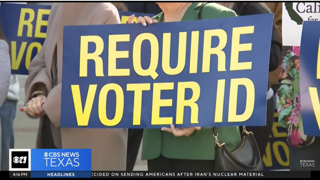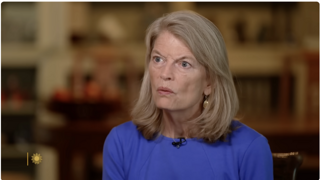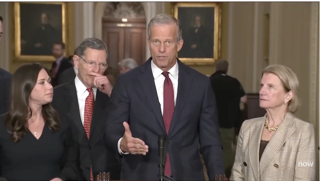
Senator Lisa Murkowski, R-Alaska, announced her opposition to the SAVE America Act on Tuesday, a bill aimed at implementing photo ID and proof-of-citizenship requirements for federal elections. Her stance has ignited criticism from conservative factions within the Republican Party, who argue that such opposition undermines efforts to secure election integrity.
Explainer Election Integrity: Protecting Voter Rights in Modern America
The core tension lies in the divide between traditional Republican values and the growing demands from conservative voters for stricter election laws. Murkowski's decision not to support the bill reflects a broader struggle within the GOP over how to address election security while balancing state rights and federal oversight.
The SAVE America Act, which has garnered support from various Republican lawmakers, seeks to establish uniform requirements for voter identification. Proponents argue that these measures are essential for maintaining public trust in the electoral process. However, Murkowski contends that imposing federal mandates could disrupt state preparations for upcoming elections.
Key Details
In her statement, Murkowski emphasized that the U.S. Constitution grants states the authority to regulate elections, stating, "Not only does the U.S. Constitution clearly provide states the authority to regulate the ‘times, places, and manner’ of holding federal elections, but one-size-fits-all mandates from Washington, D.C., seldom work in places like Alaska." Critics, however, point out that her interpretation overlooks Congress's power to legislate on election administration.
Background and Reactions
Murkowski's opposition is particularly significant given her position as one of the few GOP senators not sponsoring the SAVE Act. This has led to accusations from conservative commentators that she is part of a Republican establishment resistant to change. Some argue that her stance is more about preserving the status quo than adhering to constitutional principles.
The debate over the SAVE America Act is not just about voter ID; it reflects deeper ideological divides within the Republican Party. Conservatives are increasingly frustrated with what they perceive as a lack of action from establishment Republicans on key issues. They argue that without a unified front, the party risks losing ground to Democrats in future elections.
In a broader context, the GOP has faced challenges in rallying its base around a cohesive agenda. The internal conflict over the SAVE Act highlights the difficulty in balancing the demands of conservative voters with the more moderate positions held by some party leaders. As the 2026 elections approach, these tensions could have significant implications for Republican candidates.
Murkowski's critics also point to her recent endorsements, including support for candidates like Rep. Maria Elvira Salazar, R-Fla., who has advocated for immigration reform that includes pathways to citizenship for unauthorized immigrants. This has further fueled the perception among conservatives that Murkowski is out of touch with the party's base.
Despite the backlash, Murkowski's office has not publicly addressed the specific criticisms regarding her stance on the SAVE America Act. Supporters of the bill argue that it is essential for ensuring election integrity, while opponents, including Murkowski, warn of potential federal overreach.
As the debate continues, Republican leaders will need to navigate these internal divisions carefully. The outcome of this conflict could shape the party's strategy moving forward, particularly as it seeks to unify its base ahead of the upcoming elections.
In conclusion, Murkowski's opposition to the SAVE America Act underscores the ongoing struggle within the Republican Party to reconcile differing viewpoints on election integrity and federal authority. The implications of this divide could resonate through the 2026 election cycle, as conservatives push for a more assertive agenda while moderates caution against overreach.