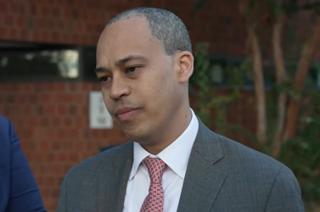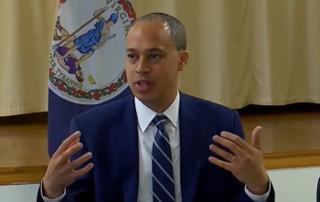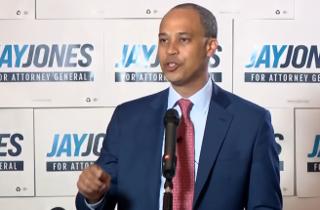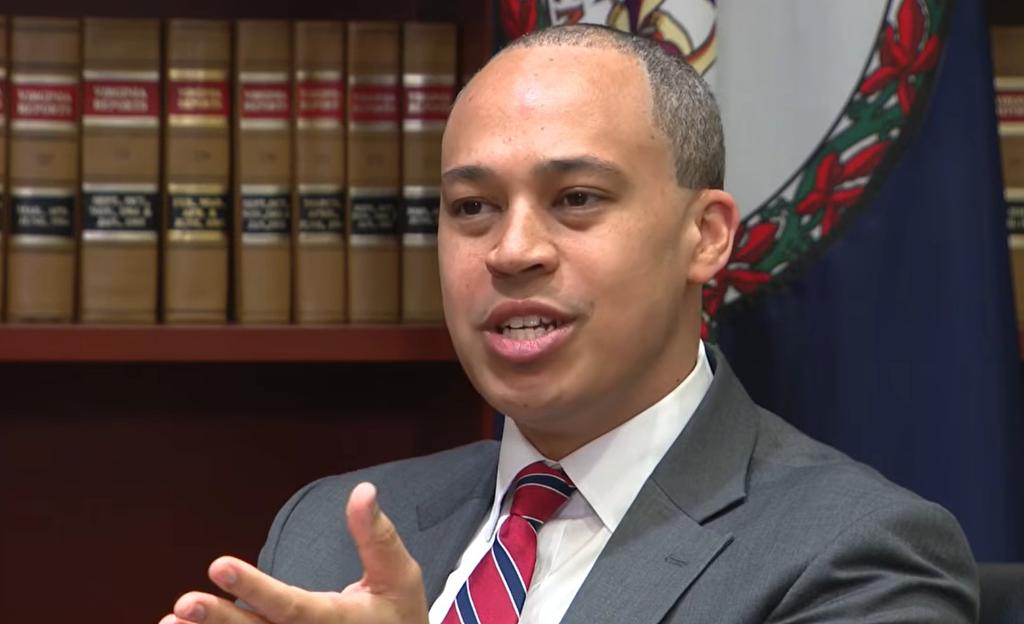
Virginia Democrats, led by Attorney General Jay Jones, have recently taken the significant step of appealing to the U.S. Supreme Court. This action follows a ruling from the Virginia Supreme Court that blocked their efforts to redefine the election period. The Democrats argue that, despite the state allowing a 45-day voting period, only one day should be officially recognized as "Election Day."
Explainer Navigating Virginia's Electoral Landscape: Key Issues and Reforms
Virginia Democrats Appeal to SCOTUS Over Election Day Classification
This appeal highlights a substantial legal debate regarding the definition of an election and its implications for voter participation. Critics of the Democrats' stance contend that redefining Election Day in this manner could disenfranchise voters who choose to participate during the early voting period. The concern is that limiting the definition of Election Day could undermine the rights of those who utilize the extended voting window.
Background and Reactions
The Virginia Supreme Court recently rejected the Democrats' argument, stating that defining an election as a single day would indeed undermine the rights of early voters. The court emphasized that the voting period should encompass the entire duration from the start to the end of the election, thereby supporting the existing framework that allows for early voting.
In their appeal, the Democrats assert that the state Supreme Court misinterpreted both state and federal laws. They claim that the court's ruling disregards federal guidelines that designate a specific day for congressional elections. Attorney General Jay Jones stated, "The opinion predicated its interpretation of the Virginia Constitution on a grave misreading of federal law." This assertion reflects the Democrats' belief that the ruling could have broader implications for how elections are conducted in Virginia and potentially beyond.
Former Virginia Attorney General Ken Cuccinelli has criticized the Democrats' approach, asserting that their attempts to invoke federal election cases do not apply in Virginia. He remarked, "I think we need some remedial civics classes among certain Virginia elected officials." Cuccinelli's comments underscore the contention surrounding the Democrats' legal strategy and its perceived validity within the context of Virginia's election laws.
Legal expert Ed Whelan, affiliated with the Ethics and Public Policy Center, noted that Chief Justice John Roberts has not yet issued an administrative stay on the Democrats' request. Instead, he has asked for a response from Republican officials involved in the case by Thursday. Whelan anticipates that the Supreme Court will likely reject the appeal, stating, "Virginia isn’t even asking for the right relief." This prediction suggests a skepticism about the strength of the Democrats' legal arguments.
The Democrats' appeal process has faced scrutiny for its execution. Initial filings included multiple typographical errors, and a subsequent emergency application was mistakenly submitted to the Virginia Supreme Court instead of the U.S. Supreme Court. These blunders have raised questions about the professionalism and preparedness of the appeal, potentially undermining their case.
The Democrats' second argument focuses on whether the Virginia Supreme Court exceeded its judicial authority. They reference the U.S. Supreme Court case Moore v. Harper, which allows state courts to review election regulations set by legislatures. However, Whelan argues that the Virginia court's ruling does not violate this principle and is unlikely to be overturned by the higher court. This aspect of the argument may further complicate the Democrats' position as they seek to challenge the state Supreme Court's decision.
As the situation unfolds, the implications of this case could extend beyond Virginia, potentially influencing how elections are defined and conducted in other states. Supporters of the Democrats' position argue that recognizing a single Election Day could streamline the electoral process, making it easier for voters to understand when they can cast their ballots. However, critics warn that such a change may lead to voter confusion and disenfranchisement, particularly among those who rely on early voting options.
The U.S. Supreme Court's decision on whether to hear the case will be closely watched by legal experts and political observers alike, as it could set a significant precedent for future election-related disputes. The court's response is expected soon, with legal experts predicting a unanimous rejection of the appeal based on jurisdictional grounds. This potential outcome could have lasting effects on the electoral landscape in Virginia and possibly influence similar debates in other states across the nation.