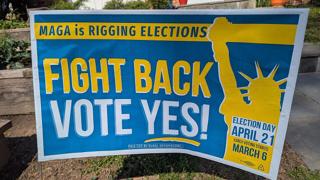
Virginia Democrats are reportedly considering a plan to expand the state Supreme Court in response to a recent ruling that blocked their redistricting efforts. The Virginia Supreme Court ruled 4-3 that the Democrat-controlled General Assembly violated the state constitution by bypassing procedural requirements necessary for a redistricting amendment to appear on the April ballot. This ruling has significant implications for the Democrats as they prepare for the upcoming elections.
Explainer Navigating Virginia's Electoral Landscape: Key Issues and Reforms
The potential court-packing strategy highlights the ongoing tension between political power and judicial independence. As Democrats seek to regain control after their gerrymandering proposal was rejected, they are exploring various options to reshape the judiciary in their favor. According to a report by The New York Times, the plan includes lowering the mandatory retirement age for justices, which would allow the current Democratic leadership to appoint new justices who are more sympathetic to their political agenda.
Background on Redistricting Efforts
The ruling against the Democrats' redistricting plan came as they aimed to reshape electoral districts ahead of the 2026 midterms. The court's decision has prompted a reevaluation of their strategies, with some party leaders suggesting that packing the court could be a viable option. This proposal reportedly emerged during a phone call between U.S. House Minority Leader Hakeem Jeffries and Virginia Democratic leaders. The suggested legislation would lower the retirement age for justices from 75 to 54, enabling Democrats to replace all current justices with appointees aligned with their political views. While this plan may not be implemented in time for the upcoming elections, it reflects a broader strategy that some Democrats may consider if they regain control of the federal government.
Implications for the U.S. Supreme Court
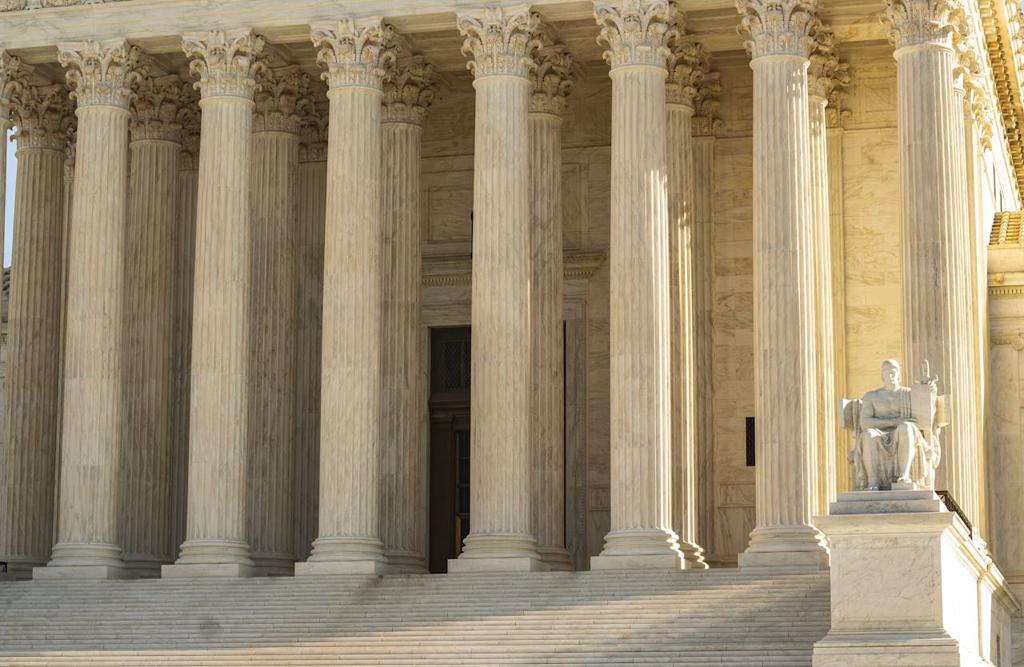
The discussions around court-packing in Virginia have raised concerns about similar tactics being employed at the federal level. Democrats have expressed support for expanding the U.S. Supreme Court, particularly in light of recent rulings that they view as unfavorable to their interests. Jeffries stated, "The Supreme Court is a disgrace. And then, in the new Congress, we’re gonna have to do something about the Supreme Court." This sentiment underscores the frustration among Democrats regarding the current composition of the Court and its decisions.
Critics argue that such moves could undermine the integrity of the judiciary. Mollie Hemingway, editor-in-chief of The Federalist, noted that Democrats have historically viewed the Supreme Court as a means to enact their policies without going through the legislative process. She remarked that the left has come to see the Court as their "rightful property" and would not relinquish control easily. This perspective raises questions about the long-term consequences of court-packing on the judicial system and its perceived impartiality.
Responses and Concerns
While Democrats are exploring these strategies, there has been little response from Republican leaders regarding the proposed court-packing plan. Some legal experts warn that altering the structure of the court could set a dangerous precedent, eroding public trust in the judicial system. They argue that maintaining judicial independence is crucial for a functioning democracy, as it ensures that the judiciary remains a check on political power.
As the political landscape continues to evolve, the implications of these discussions could extend beyond Virginia, potentially influencing national debates on judicial reform and the balance of power between branches of government. The situation remains fluid, with both parties closely monitoring developments as the 2026 elections approach. The outcome of these discussions may not only affect Virginia's political landscape but could also have far-reaching consequences for the judicial system across the United States.