Chinese billionaire Xu Bo has reportedly fathered over 100 children through surrogacy agencies in the United States, raising significant concerns about the implications of birthright citizenship. Critics argue that this practice exploits a loophole in the 14th Amendment, which grants citizenship to anyone born on U.S. soil, regardless of their parents' immigration status. This situation has ignited a complex debate regarding the interpretation of the 14th Amendment and its application in contemporary society.
The core tension lies in whether the current interpretation of the 14th Amendment allows individuals like Xu, who have never lived in the U.S., to use surrogacy as a means to secure citizenship for their children. This has sparked a broader discussion about the intent of the citizenship clause and how it applies in modern contexts, particularly in light of the increasing number of wealthy foreigners utilizing surrogacy in the U.S. to gain citizenship for their offspring.
The 14th Amendment, ratified in 1868, was originally designed to ensure citizenship for freed slaves and their descendants, aiming to rectify injustices faced by these populations. However, critics of the current interpretation argue that it has led to unintended consequences, allowing wealthy foreigners to circumvent traditional immigration processes. "The idea that children created in a lab on U.S. soil by a foreign billionaire for the sole purpose of securing citizenship benefits would have been unimaginable to the framers of the 14th Amendment," said an unnamed legal expert, highlighting the disconnect between the amendment's original intent and its modern application.
Birthright Citizenship Debate
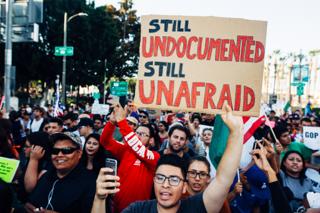
Supporters of birthright citizenship maintain that the clause is clear and should remain unchanged. They argue that it is a fundamental principle of American law that ensures equality and prevents discrimination based on parentage. This perspective emphasizes the importance of maintaining a consistent legal framework that protects the rights of all individuals born in the U.S. However, opponents contend that the current interpretation allows for exploitation by wealthy individuals who can afford to travel to the U.S. specifically to secure citizenship for their children, raising ethical and legal questions about the integrity of the system.
Xu's case exemplifies this concern. He has never resided in the United States, yet his children, born through surrogacy, are considered U.S. citizens under current law. Critics assert that this situation undermines the original intent of the 14th Amendment, which was to establish citizenship for those who are genuinely part of the American social compact. This raises questions about what it means to be a citizen and who qualifies for that status in a rapidly changing world.
Legal Challenges and Future Implications
The Supreme Court is set to hear challenges regarding birthright citizenship, including a case related to former President Donald Trump's executive order aimed at ending the practice. Legal experts suggest that the Court's decision could have significant implications for immigration policy and the interpretation of the 14th Amendment. The outcome of these cases may redefine the boundaries of citizenship and clarify the legal status of children born to foreign nationals through surrogacy.
As the debate continues, some lawmakers are calling for reforms to clarify the citizenship clause and prevent potential abuses. "Membership into our social compact was not automatic. It flowed from jurisdiction and consent," noted a constitutional scholar, emphasizing the need for a more stringent interpretation of citizenship laws. However, supporters of the current interpretation have not publicly addressed these criticisms, leaving the conversation open-ended.
The ongoing discussion surrounding Xu Bo's surrogacy practices and the broader implications for birthright citizenship reflect a growing concern among some lawmakers and citizens about the integrity of U.S. immigration laws. As the Supreme Court prepares to weigh in, the outcome could reshape the landscape of citizenship in America, potentially closing loopholes that critics argue allow for exploitation by foreign nationals seeking to secure citizenship for their children.
In conclusion, Xu Bo's situation has ignited a significant debate over the meaning and application of birthright citizenship, with potential ramifications for future immigration policy. As the legal challenges unfold, the nation watches closely to see how the courts will interpret the 14th Amendment in light of modern realities, and whether changes will be made to address the concerns raised by critics of the current system.