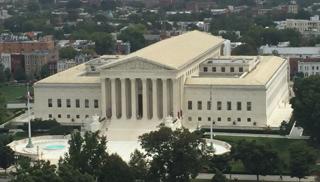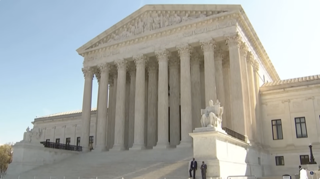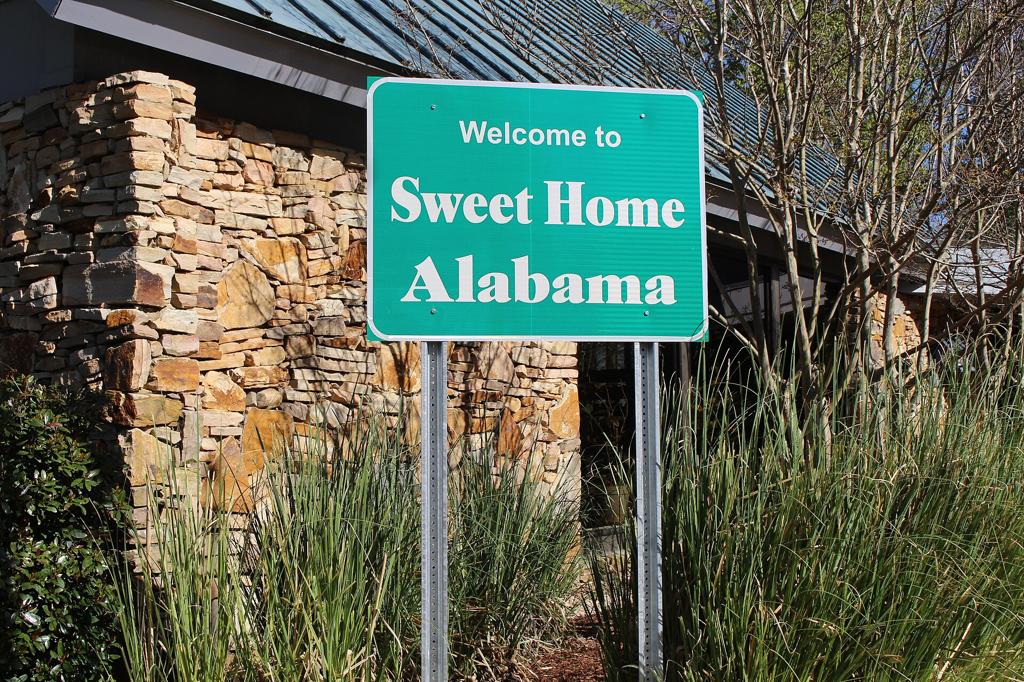
The U.S. Supreme Court has cleared the way for Alabama to implement a race-neutral congressional map ahead of the 2026 midterm elections. In a 6-3 order issued on Monday, the Court vacated lower court rulings that had required the state to maintain two majority-minority districts, a decision that critics argue was influenced by past interpretations of the Voting Rights Act.
Explainer Redistricting Unveiled: How It Shapes American Elections and Governance
The ruling highlights the ongoing debate over race in redistricting, with Alabama officials asserting that the new map aligns with constitutional standards, while dissenting justices warn of potential discrimination against minority voters. The Supreme Court's decision comes in the wake of its recent ruling in Louisiana v. Callais, which emphasized that states should not be compelled to engage in race-based discrimination in the redistricting process.
Background on the Case
Historically, majority-minority districts were established under Section 2 of the Voting Rights Act to ensure representation for minority populations. However, Alabama Attorney General Steve Marshall, representing Secretary of State Wes Allen and other state leaders, argued that the previous court rulings imposed unnecessary race-based criteria on the state’s redistricting efforts.
Justice Samuel Alito, writing for the majority, stated that lower courts had misapplied the Court’s precedents, leading to what he described as “the very race-based discrimination that the Constitution forbids.” This perspective reflects a broader trend in recent Supreme Court decisions that seek to limit the role of race in electoral districting.
Dissenting Opinions
Justices Sonia Sotomayor, Elena Kagan, and Ketanji Brown Jackson dissented from the majority ruling. In her dissent, Sotomayor argued that the Supreme Court’s decision to vacate the lower court’s order was unwarranted and could lead to confusion as elections approach. She contended that the lower court had found evidence of intentional discrimination in Alabama’s proposed map, which she believed should not be disregarded.
“There is no reason for the Supreme Court to vacate the district court’s order,” Sotomayor wrote, emphasizing that the findings of discrimination were independent of the issues discussed in the Callais decision. She expressed concern that the ruling could complicate the electoral process for Alabamians, particularly with elections scheduled for May 19.
Implications for Alabama Elections
In response to the Supreme Court's ruling, Secretary of State Wes Allen confirmed that Alabama's primary election will proceed as scheduled. Allen stated that his office would maintain close communication with the Governor’s Office and the Attorney General’s Office as the situation evolves.
“I appreciate the hard work of Alabama’s local election officials as we continue to work towards the administration of a secure, transparent, and accountable election,” Allen said in a statement following the ruling.
The decision has sparked discussions among political analysts and civil rights advocates about the potential impact on minority representation in Alabama. Critics of the ruling argue that eliminating majority-minority districts could dilute the voting power of African American communities, while supporters contend that the new map reflects a fairer approach to representation.
While the dissenting justices raised concerns about the implications of the ruling, supporters of the decision have not publicly responded to these criticisms. The ongoing debate over redistricting and race in Alabama is likely to continue as the state prepares for the upcoming elections and potential legal challenges.