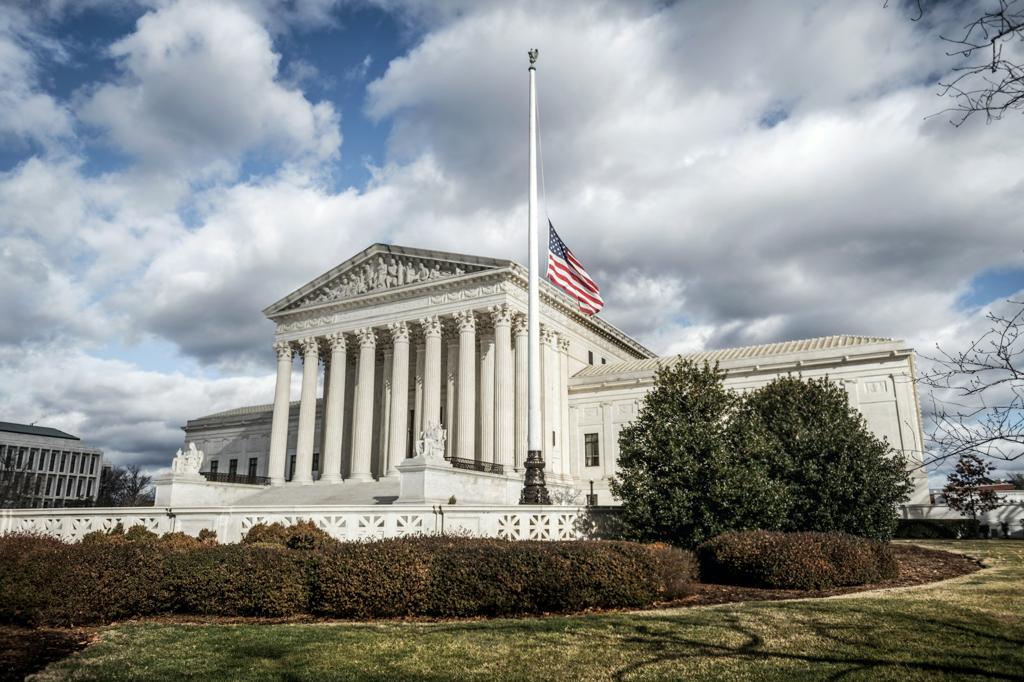
The U.S. Supreme Court ruled 6-3 this week that Louisiana's congressional map, which aimed to create a second majority-black district, constitutes an unconstitutional racial gerrymander. This landmark decision affirms that race cannot be the predominant factor in redistricting without strict justification. This ruling is significant as it may influence how states approach district mapping in the future, potentially reshaping the political landscape across the nation.
Explainer Redistricting Unveiled: How It Shapes American Elections and Governance
The ruling highlights a core tension in American politics: the balance between ensuring fair representation for minority groups and avoiding racial stereotyping in electoral processes. Critics of the decision argue that it could weaken minority representation, while supporters contend it reinforces the Constitution's colorblind principles, which advocate for equality among all citizens regardless of race.
In its majority opinion, Justice Samuel Alito stated that Section 2 of the Voting Rights Act does not mandate the creation of additional majority-minority districts. This ruling upholds a lower court's decision that struck down Louisiana's SB8 map, which was criticized for relying heavily on racial demographics to determine voting districts. Justice Clarence Thomas, in a strong concurrence, emphasized that the Constitution prohibits the government from dividing citizens by race to achieve electoral outcomes, reinforcing the idea that individual rights should not be compromised for the sake of group identity.
Background on Racial Gerrymandering
Racial gerrymandering has been a contentious issue in U.S. politics for decades, with accusations that it reduces individuals to mere representatives of their racial groups. The practice has often been justified under the Voting Rights Act, which aims to prevent discrimination in voting. However, opponents argue that it perpetuates stereotypes and undermines the principle of equality, which is foundational to American democracy.
The Louisiana case exemplified these concerns, as mapmakers designed districts based on racial headcounts, presuming that black voters would uniformly share political preferences. Critics have pointed out that such assumptions are reductive and fail to recognize the diversity within minority communities. Alito's opinion noted that the ruling dismantles the legal framework that allowed for these racial stereotypes to dictate electoral maps. "The Constitution demands that the government treat every person as an individual, not as a racial category," he wrote, emphasizing the importance of individual rights over group classifications.
Implications for Future Redistricting
The Supreme Court's decision is expected to have far-reaching implications for how states draw their electoral maps in the future. By rejecting the notion that race should be a primary factor, the ruling encourages states to consider neutral criteria such as compactness and communities of interest when redistricting. This approach aims to foster organic coalitions among voters of different backgrounds, rather than enforcing racial divisions that can lead to polarization.
Supporters of the ruling argue that it is a victory for constitutional colorblindness, asserting that true voting rights are secured by treating all citizens equally under the law. They contend that creating districts based on racial preferences undermines the very principles of democracy and equality that the nation strives to uphold.
However, critics maintain that the decision could lead to decreased representation for minority groups. They argue that without race-conscious districting, the political voices of these communities may be diluted, potentially leading to a lack of adequate representation in Congress. Some advocates for minority rights have expressed concern that the ruling could hinder efforts to address historical injustices in representation, which have long affected marginalized communities.
Responses from Advocates and Officials
While the Supreme Court's ruling has sparked significant debate, responses from officials and advocacy groups have been mixed. Some organizations have yet to issue formal statements regarding the implications of the decision, leaving questions about future strategies for ensuring minority representation in Congress. As the legal landscape surrounding gerrymandering continues to evolve, the Supreme Court's latest ruling serves as a critical reminder of the ongoing struggle to balance representation with the principles of equality and individual rights. The decision underscores the need for a careful examination of how electoral maps are drawn and the potential consequences for various communities across the nation, as the implications of this ruling will likely resonate for years to come.